
Williams Syndrome in the Tech World: Celebrating Diversity and Innovation

Williams Syndrome in the Tech World: Celebrating Diversity and Innovation

Williams syndrome, which is usually seen with certain genes being abnormally transmitted is sometimes associated with the unique difficulties. Nevertheless, they have exemplified tremendous talents and achievements, especially in the tech sector, which are often underrated and unrecognized. Let’s praise the richness in variety and sophistication with technology brought by modern technological personalities with WIlliams syndrome.

Unveiling the Talents:

The fact that well-known personalities, famous people with Williams syndrome are associated with extraordinary skills that lie within the domain of technology is very much a known fact. From programming and code writing to user experience design and venturers, their achievements cover many technological aspects and can be regarded as a reflection of one’s versatility, as well.

Williams Syndrome in the Tech World: Celebrating Diversity and Innovation

Programming Prodigies:

Williams Syndrome has revealed some celebrities are natural-born coders, they can easily learn and use programming languages and write software. They are proficient at paying close attention to minute details, can store a lot of information in their minds and have innate aptitude in dealing with patterns. This makes them an obvious choice for coding jobs. These people have gained an irreplaceable ground in the world of software engineering and they are more than worthy of recognition for their exemplary services.

UX Design Innovators:

Being primarily characterized as having the extra-sensitivity to emotions and empathy, Williams syndrome possesses qualities which are necessary to be a good user experience (UX) designer. In terms of UX design, those Williams syndrome celebrities have their own perspective, and they mainly focus on the design of interface which is not only impressive but more importantly usable or easy-to-use and engaging with end users.

Tech Entrepreneurship:

In addition to social and cognitive impairments, some Williams syndrome stalwarts have opted to scale the heights of the tech industry, namely in entrepreneurship. They are the ones gifted with such qualities as their artistic side, resilience, and zeal for creation that influence them in starting their own startup or come up with a tech venture, the backbone of the vibrant entrepreneurial ecosystem.

Advocacy and Awareness about Williams Syndrome:

Aside from providing their technical skills, well-known Williams syndrome thinkers are promoters of neurodiversity and inclusivity in the technology and other competitive industries. Their activities via social media and online outreach promote Williams syndrome and lead to the eradication of misleading ideas, bringing a new stream of attitude and understanding for people with neurodevelopmental conditions.

Problem-Solving Savants:

People whose genome code contains Williams syndrome are famous for their ability to outsmart any problem, which is important for technology innovation. People with Williams syndrome have become famous for solving various technical issues with their ingenuity and creativity, not to mention the fact they propose solutions to problems that have been known to be very hard to decipher.

Data Analysis and Insights:

In the sense that people with Williams syndrome sometimes can excellently sense patterns and deviation from data and for that reason provide data analysis performance. Prominent personages with Williams syndrome have employed this skill and used it to extract out valuable bits from big datasets, leading to data-driven decision making. Technology has benefited through it significantly because of it.

Tech Education and Mentorship:

The most widely famous people with Williams syndrome who work in tech field pledge their time and even involve the specialists for the education and mentorship programs for the students who are aspiring technologists. They encourage by sharing their own ideas and experience. These organizations achieve this educational goal either through the conducting of sessions, seminars and professional mentorship programs. As a result, they empower and ensure the diversity and inclusivity in the tech industry of the future.

Ethical Tech Leadership:

The moral leadership of tech giants is quintessential and some personalities with Williams syndrome have shown the nice undertone of integrity and empathy in this high position. Being one of the first innovators in the tech industry, they are committed to ethical issues in technology development to testify for user privacy, accessibility, and social responsibility that therefore affect the industry positively.

Collaborative Innovation:

Demonstrating a socially unfavorable behavior, in spite of this, those with Williams syndrome are even more likely to be willing to work together in team and group projects. Featured persons like Emma with Williams syndrome actively cooperate on joint ventures, mixing a diversity of viewpoints and fresh suggestions. Their teamwork spirit provides many opportunities for the development of people’s talents and further technological progress.

Accessibility Advocacy:

Personality features of Williams syndrome celebrities may act as advocates to accessible technology. Such people are usually drawn to this domain because they can easily relate to other people with the same obstacles and thus advocate for leveling the field during the design of structures and in the development of technologies. With this in mind, they tend to be diligent with promoting development of technologies that can communicate well with people of all abilities.

Tech Evangelism:

Technology is frequently promoted by significant people with Williams syndrome besides representing it as ambassadors maximizing their platforms, increasing liking, and participation in the latest discoveries. It is their zeal for technology that reveals not only innovation as it is but also its potential to others, so it creates demand and passion for technology and drives it through the tech community.

Creative Expression through Technology:

These people who are with Williams syndrome are capable of manifesting their inborn creativity and different arts through technologies. Through social media and other digital platforms, they are using this art medium which reflects the blending of technological innovations and creativity. Their work as true examples of people with this syndrome can be seen in the art galleries and virtual exhibitions.

Tech Therapy and Support:

The application of technology can also help as a therapy in treating the Williams syndrome, through which people can improve as well as get the support they need. Celebrities with the diagnosis of Williams syndrome make statements in the media advocating for the use of technology together with therapeutic conversations such as virtual therapy and digital communication to strengthen social skills, communication and emotional welfare.

Empowering Neurodiversity in Tech:

Among the celebrities with Williams syndrome are there front-runners at neurodiversity within the tech industry. They bench the discriminatory stereotypes and prejudice of being with neurodevelopmental disorders by voicing for more acceptance and assimilation of those individuals in workplaces of technology and in communities. As they spread the message, more and more women will know about the role they can play in this gender-balanced tech industry.

We are featured in the category of Write for Us Health, and we support diversity and progress in health tech stories. Read an article that we have produced extolling the rare individuals with Williams syndrome, who with their substantial contributions, are responsible for every tech trend, which results in accessibility, advocacy, and creativity in the healthcare field.

Conclusion:

World-renowned Williams syndrome individuals in the jobs of tech have the representation of diversity which bring out the creativity and resilience to be used for the jobs. Rather than underline their differences, we should praise the abilities and skill that they bring to the tech sphere. Besides, we can play a role in building a more community in the technology field by encouraging the people with racial diversity.


Best Earbuds 2024: Elevating Your Audio Experience

Best Earbuds 2024

Introduction : Best Earbuds 2024

In the rapidly evolving world of audio technology, earbuds have become an essential accessory for music lovers, fitness enthusiasts, and professionals alike. As we step into 2024, the landscape of earbuds continues to transform, offering users unprecedented sound quality, comfort, and convenience.

Evolution of Earbuds

From wires to wireless: Gone are the days of tangled cords and limited mobility. The advent of wireless earbuds has revolutionized the way we experience audio, providing freedom of movement without compromising on sound quality.

Integration of AI and smart features: In 2024, earbuds are not just for listening to music. With the integration of artificial intelligence and smart features, earbuds can now assist users with tasks, provide real-time translations, and even monitor health metrics.

Features to Look For

Sound quality and clarity: The hallmark of any great pair of earbuds is exceptional sound quality. Whether you’re listening to your favorite playlist or taking a business call, crystal-clear audio is essential for an immersive experience.

Comfort and fit: Long gone are the days of uncomfortable earbud designs. In 2024, manufacturers prioritize ergonomic designs that ensure a snug fit for extended wear, whether you’re hitting the gym or embarking on a long commute.

Battery life and charging: With the demand for all-day usage, battery life has become a crucial consideration for consumers. Leading brands offer extended battery life and fast charging capabilities, keeping you connected throughout the day.

Top Brands

Apple AirPods: Synonymous with innovation and quality, Apple AirPods continue to set the standard for wireless earbuds with seamless connectivity and intuitive controls.

Sony WF-series: Sony’s WF-series boasts unparalleled sound quality and noise-canceling technology, making them a favorite among audiophiles and frequent travelers.

Samsung Galaxy Buds: Samsung’s Galaxy Buds combine sleek design with advanced features, offering users a customizable listening experience and seamless integration with Samsung devices.

Comparison Guide

When choosing the best earbuds for your needs, it’s essential to consider factors such as sound quality, comfort, and price. Here’s a breakdown of the top brands and their key features:

Apple AirPods

  • Pros: Seamless integration with Apple devices, Siri functionality, long battery life.
  • Cons: Limited customization options, premium price point.

Sony WF-series

  • Pros: Exceptional sound quality, noise-canceling technology, customizable fit.
  • Cons: Higher price point, may not be compatible with all devices.

Samsung Galaxy Buds

  • Pros: Sleek design, customizable sound profiles, long-lasting battery life.
  • Cons: Limited compatibility with non-Samsung devices, occasional connectivity issues.

Future Trends

Looking ahead, the future of earbuds promises even more innovation and convenience. From advancements in noise-canceling technology to sustainable manufacturing practices, the possibilities are endless.

User Experience

Real-life testimonials and reviews: Don’t just take our word for it. Hear what real users have to say about their favorite earbuds, from everyday use to special occasions.

Integration into daily life: Whether you’re working out at the gym or commuting to work, earbuds have become an integral part of our daily routines. Discover how users incorporate earbuds into their lifestyles.

Maintenance Tips

Cleaning and storage techniques: Proper maintenance is key to prolonging the life of your earbuds. Learn how to clean and store your earbuds to ensure optimal performance and longevity.

Troubleshooting common issues: From connectivity issues to sound quality problems, we’ve got you covered with troubleshooting tips and tricks to address common earbud issues.

FAQs

What are the best earbuds for workouts?

For active individuals, sweat-resistant earbuds with a secure fit are essential. Look for brands that offer water-resistant designs and ergonomic ear tips to stay comfortable during workouts.

How do I connect earbuds to multiple devices?

Most modern earbuds feature Bluetooth connectivity, allowing you to pair them with multiple devices simultaneously. Simply enable Bluetooth on each device and follow the pairing instructions provided by the manufacturer.

Are noise-canceling earbuds worth the investment?

Noise-canceling earbuds can significantly enhance your listening experience, especially in noisy environments such as public transportation or open offices. While they may come at a higher price point, the added comfort and immersion are well worth the investment for many users.

Can I use earbuds for phone calls?

Yes, many earbuds feature built-in microphones and voice assistant integration, making them ideal for taking phone calls on the go. Look for earbuds with noise-canceling technology to ensure clear audio quality during calls.

What’s the difference between earbuds and headphones?

While both earbuds and headphones deliver audio directly to the ears, they differ in design and functionality. Earbuds are small, lightweight, and sit inside the ear canal, while headphones typically feature larger ear cups that sit over the ears.

How do I ensure a secure fit for my earbuds?

Achieving a secure fit is essential for optimal sound quality and comfort. Experiment with different ear tip sizes to find the perfect fit for your ears, and make sure to position the earbuds securely in your ears before engaging in any physical activity.

How To Write An E-book With ChatGPT

Introduction : Write An E-book With ChatGPT

In today’s digital age, e-books have become an essential tool for sharing knowledge, storytelling, and building brands. With the help of advanced AI technology like ChatGPT, the process of writing an e-book has become more accessible and efficient than ever before. This guide will walk you through the steps of harnessing the power of ChatGPT to create compelling e-books that captivate your audience.

1. Understanding Your Audience

To write a successful e-book, it’s crucial to understand your target audience. Identify their needs, interests, and pain points to tailor your content accordingly. ChatGPT can assist in analyzing audience demographics and preferences to guide your writing process effectively.

2. Brainstorming Ideas

Let your creativity flow by brainstorming a range of topics and themes for your e-book. Utilize ChatGPT’s brainstorming capabilities to generate unique ideas and explore different angles for your content.

2.1 Generating Ideas with ChatGPT

ChatGPT can provide valuable insights and suggestions to inspire your e-book topics. Engage with the AI to explore various concepts and refine your ideas for maximum impact.

3. Planning Your Content

Organize your thoughts and outline the structure of your e-book. Define chapters, sections, and subtopics to create a cohesive narrative flow. ChatGPT can assist in outlining your content and generating a structured plan for your e-book.

3.1 Outlining Your E-book

Use ChatGPT to outline the key chapters and sections of your e-book. Create a roadmap for your content, ensuring clarity and coherence throughout the writing process.

4. Crafting Compelling Content

With the groundwork laid, it’s time to start writing your e-book. Leverage ChatGPT’s writing capabilities to draft engaging content that resonates with your audience. Focus on storytelling, providing valuable insights, and delivering actionable takeaways.

4.1 Writing with ChatGPT

ChatGPT can assist in generating high-quality content for your e-book. Collaborate with the AI to refine your writing style, enhance readability, and ensure consistency across chapters.

5. Editing and Refinement

Once the initial draft is complete, it’s essential to review, edit, and refine your e-book. Use ChatGPT to identify areas for improvement, polish your prose, and eliminate any errors or inconsistencies.

5.1 Proofreading with ChatGPT

ChatGPT can act as a virtual editor, offering suggestions for grammar, syntax, and style enhancements. Collaborate with the AI to elevate the quality of your e-book and ensure a professional finish.

6. Design and Formatting

Enhance the visual appeal of your e-book with professional design and formatting. Incorporate images, graphics, and multimedia elements to complement your content. ChatGPT can provide recommendations for layout and design options to enhance reader engagement.

6.1 Design Tips with ChatGPT

Utilize ChatGPT’s design insights to create visually stunning e-books that leave a lasting impression. Experiment with different layouts, fonts, and color schemes to align with your brand aesthetic and captivate your audience.

7. Publishing and Distribution

Once your e-book is polished and perfected, it’s time to share it with the world. Explore various publishing platforms and distribution channels to reach your target audience effectively. ChatGPT can offer guidance on marketing strategies and promotional tactics to maximize your e-book’s visibility and impact.

7.1 Promoting Your E-book

ChatGPT can assist in devising marketing campaigns and promotional strategies to promote your e-book effectively. Leverage social media, email marketing, and influencer partnerships to generate buzz and drive downloads.

FAQs

Q: Can ChatGPT help with e-book cover design? Yes, ChatGPT can provide design suggestions and recommendations for creating eye-catching e-book covers that grab attention and entice readers.

Q: How long does it take to write an e-book with ChatGPT? The time required to write an e-book with ChatGPT can vary depending on factors such as the length of the e-book, complexity of the content, and the writer’s proficiency. However, ChatGPT can significantly streamline the writing process and accelerate content creation.

Q: Is ChatGPT suitable for fiction e-books? Absolutely! ChatGPT can assist in crafting both fiction and non-fiction e-books, offering creative suggestions, plot ideas, and character development insights to authors.

Q: Can I collaborate with ChatGPT on writing my e-book? Yes, ChatGPT supports collaborative writing, allowing multiple users to contribute to the e-book creation process simultaneously. Collaborate with the AI to brainstorm ideas, draft content, and refine your e-book collaboratively.

Q: How do I ensure my e-book stands out in a crowded market? To make your e-book stand out, focus on delivering unique value, compelling storytelling, and engaging visuals. Leverage ChatGPT’s capabilities to create original content that resonates with your audience and sets your e-book apart from the competition.

Q: Is ChatGPT suitable for beginner writers? Absolutely! ChatGPT’s intuitive interface and user-friendly features make it an ideal tool for beginner writers looking to dive into e-book creation. Whether you’re an aspiring author or a seasoned writer, ChatGPT can help bring your creative vision to life.

Conclusion

Crafting an e-book with ChatGPT opens up a world of possibilities for authors, entrepreneurs, and content creators. By harnessing the power of AI technology, you can streamline the writing process, unleash your creativity, and produce e-books that captivate and inspire readers. Follow the steps outlined in this guide, leverage ChatGPT’s capabilities, and embark on your journey to e-book success today!

How to Screenshot on iPad 10: Your Ultimate Guide

How to Screenshot on iPad 10:

Introduction : Screenshot on iPad 10

Welcome to the ultimate guide on how to screenshot on iPad 10! Whether you’re a seasoned iPad user or a newcomer to the world of Apple’s sleek tablets, knowing how to capture your screen is an essential skill. In this article, we’ll walk you through step-by-step instructions, tips, and tricks to effortlessly take screenshots on your iPad 10. Let’s dive in!

Getting Started

Taking a screenshot on your iPad 10 is a breeze. With just a few simple steps, you can capture anything on your screen, from important documents to memorable moments in games or apps. Let’s explore how to screenshot on iPad 10:

Locate the Buttons

To take a screenshot on your iPad 10, you’ll need to locate the power button and the volume up button. These buttons are typically located on the top or side of your device, depending on its orientation.

Capture the Screen

Once you’ve located the power and volume up buttons, simultaneously press and release them quickly. You’ll hear a satisfying click sound, indicating that the screenshot has been successfully captured.

View and Edit

After taking a screenshot, you’ll see a thumbnail of the captured image appear briefly in the corner of your screen. Tap on the thumbnail to view and edit the screenshot using the built-in Markup tools.

Tips for Screenshot Success

Mastering the art of screenshotting on your iPad 10 is easy with these helpful tips:

Use AssistiveTouch

If pressing physical buttons isn’t your style, you can enable AssistiveTouch on your iPad 10. This feature allows you to take screenshots with a virtual button, perfect for users with mobility or accessibility needs.

Capture Specific Areas

Need to capture only a portion of your screen? Use the Markup tools to crop and edit your screenshots with precision. Simply drag the selection handles to choose the area you want to capture.

Enable Smart Annotations

Smart Annotations make it easy to annotate screenshots with text, shapes, and signatures. Enable this feature in Settings > General > Accessibility > Smart Annotations to add context to your screenshots effortlessly.

FAQs

  • How do I find my screenshots on iPad 10?
  • Once you’ve taken a screenshot, it’s automatically saved to your Photos app. Simply open the Photos app and navigate to the “Screenshots” album to find your captures.
  • Can I take a screenshot with a stylus on iPad 10?
  • Yes, you can use a compatible stylus to take screenshots on your iPad 10. Simply press the appropriate buttons on your stylus to capture your screen.
  • Is there a way to take a scrolling screenshot on iPad 10?
  • While the native iOS doesn’t support scrolling screenshots, you can use third-party apps like Stitch It! or Tailor to capture longer content.
  • Can I share my screenshots directly from the iPad 10?
  • Absolutely! After capturing a screenshot, tap on the thumbnail to view it, then tap the Share button to share it via Messages, Mail, AirDrop, or your favorite social media apps.
  • What if my iPad 10 screen isn’t responding to the screenshot buttons?
  • If your iPad 10 screen isn’t responsive, try restarting your device or checking for any software updates. If the issue persists, contact Apple Support for further assistance.
  • Are there any privacy concerns with taking screenshots on iPad 10?
  • When taking screenshots that include sensitive information, be mindful of who you share them with. Avoid sharing screenshots containing personal or confidential data with untrusted sources.

Conclusion

Congratulations! You’ve now mastered the art of screenshotting on your iPad 10. Whether you’re capturing memorable moments, important information, or troubleshooting tech issues, these tips and tricks will help you make the most of your device’s capabilities. Happy screenshotting!

How Technology Innovation is Revolutionizing Internal Medicine and Laboratory Billing Services

How Technology Innovation is Revolutionizing Internal Medicine and Laboratory Billing Services

Technology continues to reshape various facets of the healthcare industry, and billing services in internal medicine and laboratories are no exception. The integration of innovative technologies is streamlining processes, enhancing accuracy, and improving efficiency in billing practices. This article explores the impact of technology innovation on internal medicine and laboratory billing services, highlighting key advancements and their benefits.

How Technology Innovation is Revolutionizing Internal Medicine and Laboratory Billing Services

Automation in Billing Processes:

One of the significant advancements in internal medicine billing services and laboratory billing services is the automation of repetitive tasks. Technology-driven systems can now automate data entry, coding, claim submissions, and payment processing. This automation reduces manual errors, speeds up billing cycles, and frees up staff to focus on more critical tasks, ultimately improving revenue cycle management for healthcare providers.

Electronic Health Records (EHR) Integration:

Integration of electronic health records (EHR) with billing systems has revolutionized internal medicine and laboratory billing services. EHR platforms capture patient data, diagnoses, and treatment details, which can seamlessly transfer to billing systems for accurate invoicing. This integration ensures that billing codes align with provided services, minimizing discrepancies and ensuring compliance with coding standards.

Artificial Intelligence (AI) and Machine Learning (ML) Solutions:

AI and ML technologies are transforming internal medicine and laboratory billing services by analyzing vast amounts of data to identify patterns and trends. AI-powered systems can detect coding errors, flag potential claim denials, and optimize billing workflows based on historical data. By leveraging AI and ML, billing services can enhance accuracy, reduce billing cycle times, and increase revenue capture for healthcare providers.

Blockchain for Data Security:

Blockchain technology is increasingly being adopted to secure sensitive data in internal medicine and laboratory billing services. Blockchain offers immutable and transparent record-keeping, ensuring the integrity and security of billing information. By implementing blockchain solutions, billing services can protect patient data from cyber threats, mitigate fraud risks, and maintain compliance with data privacy regulations.

Telehealth Billing Solutions:

The rise of telehealth services has led to the development of specialized billing solutions tailored to virtual healthcare visits. Internal medicine and laboratory billing services are integrating telehealth billing functionalities to accommodate remote consultations and diagnostic services. These solutions enable accurate coding for telehealth encounters, facilitating seamless reimbursement and improving access to care for patients.

Mobile Applications for Billing Accessibility:

Mobile applications are empowering healthcare providers to access billing services on the go. Internal medicine and laboratory billing services now offer mobile apps that enable providers to review patient billing information, submit claims, and track payments from their smartphones or tablets. These apps enhance convenience, streamline communication between providers and billing teams, and support timely billing activities.

Data Analytics for Performance Insights:

Advanced data analytics tools are being utilized to gain insights into the performance of internal medicine and laboratory billing services. By analyzing billing data, providers can identify revenue trends, monitor key performance indicators (KPIs), and pinpoint areas for optimization. Data-driven insights help billing services adapt strategies to maximize revenue capture, minimize denials, and improve overall financial performance.

Predictive Analytics for Revenue Forecasting:

Predictive analytics models are revolutionizing revenue forecasting in internal medicine and laboratory billing services. By analyzing historical billing data and external factors such as payer trends and regulatory changes, predictive analytics can forecast future revenue streams with greater accuracy. These insights enable proactive decision-making, resource allocation, and financial planning for healthcare providers.

Cloud-Based Billing Platforms:

Cloud-based billing platforms offer scalability, flexibility, and accessibility for internal medicine and laboratory billing services. By migrating billing operations to the cloud, providers can reduce infrastructure costs, eliminate maintenance hassles, and access billing data securely from anywhere with an internet connection. Cloud-based platforms also facilitate seamless collaboration among billing teams and integration with other healthcare systems.

Patient Self-Service Portals:

Patient self-service portals are empowering individuals to manage their billing information and payments conveniently online. Internal medicine and laboratory billing services are implementing patient portals that allow patients to view statements, make payments, and communicate with billing representatives electronically. These portals improve patient satisfaction, reduce administrative burden on staff, and accelerate payment collections for healthcare providers.

Compliance Management Solutions:

Technology-driven compliance How Technology Innovation is Revolutionizing Internal Medicine and Laboratory Billing Services solutions are ensuring adherence to regulatory requirements in internal medicine and laboratory billing services. These solutions automate compliance monitoring, facilitate audit trails, and provide real-time updates on regulatory changes impacting billing practices. By staying compliant with regulations such as HIPAA and Medicare guidelines, billing services mitigate risks and maintain trust with stakeholders.

Integration with Revenue Cycle Management (RCM) Systems:

Integration with comprehensive revenue cycle management (RCM) systems streamlines end-to-end billing processes for internal medicine and laboratory services. These integrated platforms unify billing, coding, claims management, and payment reconciliation within a single interface. Seamless integration enhances workflow efficiency, reduces manual errors, and optimizes financial performance across the revenue cycle.

Conclusion:

Technology innovation is revolutionizing internal medicine and laboratory billing services, offering unprecedented efficiency, accuracy, and security. Automation, EHR integration, AI/ML solutions, blockchain technology, and telehealth billing are among the key advancements driving transformation in billing practices. By embracing these innovations, healthcare providers can optimize revenue cycles, improve patient care, and adapt to the evolving landscape of healthcare billing

What is Robotic Process Automation?

Robotic Process Automation

In today’s fast-paced business world, efficiency is key to staying competitive. Robotic Process Automation (RPA) is a cutting-edge technology that streamlines business operations by automating repetitive tasks, allowing employees to focus on more strategic initiatives.

Introduction to Robotic Process Automation (RPA)

Robotic Process Automation, commonly referred to as RPA, is the use of software robots or “bots” to automate repetitive tasks and workflows within an organization. These bots are programmed to mimic human interactions with digital systems and can perform a wide range of tasks, from data entry and processing to report generation and communication.

Robotic Process Automation
Technologic futuristic industry template with automatic robotic arms assembly cyborg head vector illustration

How Robotic Process Automation Works

RPA works by using software robots to interact with existing applications and systems, just like a human would. These bots can be trained to follow predefined rules and instructions, allowing them to execute tasks with speed and accuracy. They can also integrate with multiple systems simultaneously, making them highly versatile.

Benefits of Robotic Process Automation

The adoption of RPA offers numerous benefits to organizations, including:

  • Increased Efficiency and Accuracy: By automating repetitive tasks, RPA reduces the likelihood of errors and frees up employees to focus on more value-added activities.
  • Cost Savings: RPA can significantly reduce operational costs by streamlining processes and increasing productivity.
  • Scalability: RPA allows businesses to scale their operations more efficiently by easily adapting to changing demands and workload fluctuations.

Applications of Robotic Process Automation

RPA finds applications across various industries and business functions, including:

  • Finance and Accounting: Automating invoice processing, reconciliation, and financial reporting.
  • Human Resources: Streamlining employee onboarding, payroll processing, and benefits administration.
  • Customer Service: Automating responses to frequently asked questions, processing orders, and managing customer inquiries.

Challenges and Limitations of RPA

While RPA offers significant advantages, its implementation comes with certain challenges and limitations, including:

  • Initial Investment and Implementation: The upfront costs associated with implementing RPA, including software licenses, training, and infrastructure changes, can be substantial.
  • Complexity of Processes: Not all processes are suitable for automation, especially those involving complex decision-making or unstructured data.
  • Security Concerns: RPA introduces new security risks, such as unauthorized access to sensitive data or malicious bot activities, which need to be carefully managed.

Future Trends in Robotic Process Automation

Looking ahead, the future of RPA is promising, with several key trends emerging:

  • Advancements in Artificial Intelligence: RPA is becoming increasingly intelligent with the integration of machine learning and natural language processing capabilities, enabling bots to handle more complex tasks.
  • Integration with Other Technologies: RPA is being integrated with other emerging technologies such as blockchain and Internet of Things (IoT) to create more comprehensive automation solutions.

Case Studies

Several organizations have successfully implemented RPA to achieve significant improvements in efficiency, cost savings, and customer satisfaction. For example, Company X automated their invoice processing system using RPA, resulting in a 50% reduction in processing time and a 30% decrease in errors.

Conclusion

In conclusion, Robotic Process Automation is revolutionizing the way businesses operate by automating repetitive tasks and workflows, leading to increased efficiency, cost savings, and scalability. While challenges exist, the future of RPA looks promising, with advancements in technology driving further innovation and integration.

FAQs

  1. What industries can benefit from Robotic Process Automation?
    • Various industries such as finance, healthcare, manufacturing, and telecommunications can benefit from RPA.
  2. How does RPA differ from traditional automation?
    • RPA is more flexible and can handle tasks that require interactions with multiple systems without the need for extensive coding.
  3. Is RPA suitable for small businesses?
    • Yes, RPA can benefit businesses of all sizes by improving efficiency and reducing operational costs.
  4. What skills are required to implement RPA?
    • Basic programming skills and an understanding of business processes are essential for successful RPA implementation.
  5. How can organizations address security concerns related to RPA?
    • Organizations can implement measures such as encryption, access controls, and regular audits to mitigate security risks associated with RPA.

How To Find Airpods – A Quick Overview

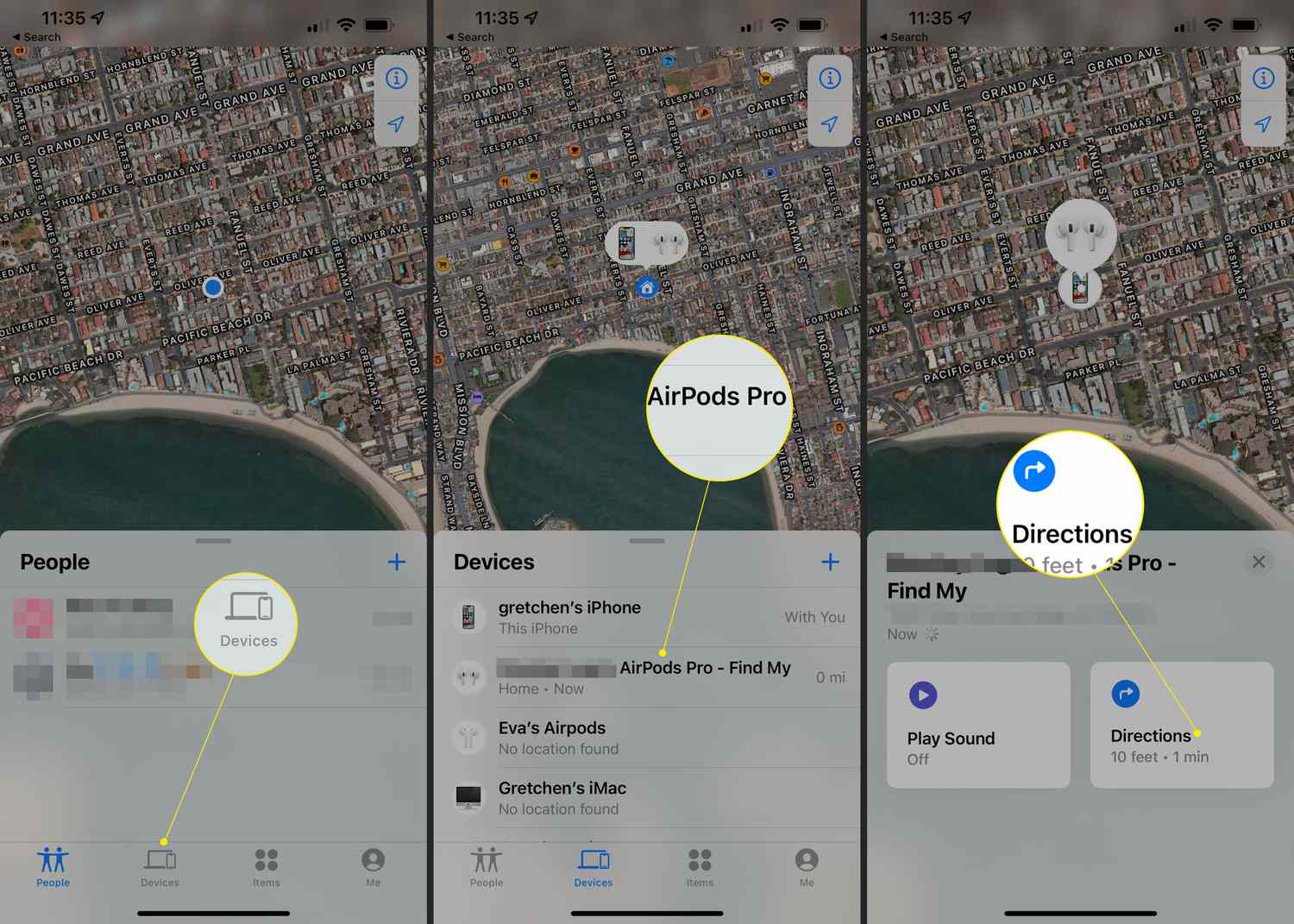
  1. On your iPhone, open Find My.
  2. In Devices, choose your AirPods. If your AirPods are out of the case, you might have to pick the left bud or right bud. …
  3. Find your AirPods on the map. If they aren’t near you, tap Get Directions to open their location in Maps.
How To Find Airpods

Embracing Technology: Using Bluetooth to Track

Explore the power of Bluetooth technology. Learn how to leverage it to locate your Airpods, making the process quick and efficient.

User How To Find Airpods Using the Find My App

Unveil the potential of the Find My App. This powerful tool not only helps you find your iPhone but also your Airpods. Dive into the step-by-step process to make the most out of this feature.

Retracing Your Steps: A Time-Tested Method

Sometimes, the old-school way works best. Discover the art of retracing your steps to rediscover your Airpods. Practical tips and insights await!

User How To Find Airpods in Unconventional Places

Think outside the box. We’ll guide you through checking unexpected spots where your Airpods might be hiding. A unique approach for unique situations.

Leveraging Sound: Locating Your Airpods Through Audio

Turn up the volume and let sound be your guide. Learn how to use audio cues to zero in on the location of your Airpods, even in the noisiest environments.

User How To Find Airpods in the Dark

Lost your Airpods in the dark? No problem! We’ve got illuminating tips to help you find them even in low-light situations.

Taking Preventive Measures: Avoiding Future Loss

Prevention is the best cure. Discover practical ways to safeguard your Airpods from getting lost in the first place. Proactive steps for a worry-free experience.

Connecting with Customer Support for Assistance

Understand how to reach out to customer support for personalized assistance in locating your Airpods.

User How To Find Airpods: Success Stories

Be inspired by real success stories. Read about individuals who triumphantly found their Airpods against all odds. Motivation to keep you going!

Frequently Asked Questions

How long does it take to locate Airpods using Bluetooth?

Locating your Airpods with Bluetooth is usually a quick process, typically taking a few minutes. The key is ensuring Bluetooth is enabled on your device.

Can I find my Airpods if they are out of battery?

Unfortunately, the Find My App and Bluetooth methods rely on the Airpods having some battery life. If they are completely dead, the options become limited.

Is the sound method effective in noisy environments?

Yes, the sound method can be effective even in noisy surroundings. Adjust the volume to a level that cuts through the ambient noise.

Are there any apps that can help find Airpods?

While the Find My App is specifically designed for this purpose, some third-party apps also claim to assist in locating Airpods. However, their effectiveness may vary.

Can I track Airpods if they are in the charging case?

Tracking Airpods within the charging case might be challenging due to the case’s design blocking Bluetooth signals. It’s recommended to remove them for accurate tracking.

Conclusion

Say goodbye to the anxiety of losing your Airpods. Armed with the insights from this guide, you’re now equipped to tackle any situation and locate your Airpods effortlessly.

Economic Impact of AI in Healthcare

AI in Healthcare

Introduction : AI in Healthcare

The intersection of artificial intelligence (AI) and healthcare is transforming the industry at an unprecedented pace. This article explores the economic impact of AI in healthcare, unraveling its multifaceted contributions and implications for various stakeholders.

Revolutionizing Diagnostics with AI

One of the most significant areas where AI has made a substantial impact is in diagnostics. AI algorithms can analyze medical imaging with remarkable accuracy, aiding in early detection of diseases. This not only enhances patient outcomes but also reduces the financial burden associated with delayed or incorrect diagnoses.

Enhanced Treatment Planning

AI plays a crucial role in tailoring treatment plans for individual patients. By analyzing vast datasets and considering genetic factors, AI can recommend personalized treatment approaches, optimizing therapeutic interventions and potentially reducing the overall cost of healthcare delivery.

Streamlining Administrative Processes

Administrative tasks have long been a bottleneck in healthcare efficiency. AI-powered solutions streamline these processes, from appointment scheduling to billing and insurance claims processing. The result is a more cost-effective and agile healthcare system.

Reducing Healthcare Costs

By improving efficiency, AI contributes significantly to cost reduction in the healthcare sector. Automated processes, data-driven decision-making, and predictive analytics help identify cost-saving opportunities, making healthcare more accessible and affordable for a broader population.

AI in Drug Discovery

The traditional drug discovery process is time-consuming and costly. AI accelerates this process by analyzing vast datasets to identify potential drug candidates, significantly reducing the time and resources required for bringing new medications to market.

Challenges and Ethical Considerations

While the economic impact of AI in healthcare is profound, it comes with challenges. Ensuring data privacy, addressing bias in algorithms, and navigating ethical considerations are essential for maintaining trust in AI technologies.

Integration of AI in Telemedicine

Telemedicine has seen unprecedented growth, and AI integration further enhances its capabilities. AI-driven virtual health assistants, remote patient monitoring, and predictive analytics contribute to the effectiveness of telemedicine, creating economic efficiencies in healthcare delivery.

Improved Patient Outcomes

AI technologies contribute to better patient outcomes by providing real-time insights, personalized treatment plans, and continuous monitoring. This not only improves the quality of care but also reduces the economic burden associated with prolonged treatments and hospital stays.

AI’s Role in Predictive Analytics

Predictive analytics powered by AI enables healthcare providers to anticipate disease outbreaks, manage resources efficiently, and plan for potential challenges. This proactive approach leads to better resource allocation and cost-effective healthcare delivery.

Training and Skill Development

The integration of AI in healthcare necessitates a skilled workforce. Investments in training programs and skill development are crucial to ensure that healthcare professionals can harness the full potential of AI technologies.

Investments and Job Opportunities in the AI Healthcare Sector

The growing prominence of AI in healthcare has led to increased investments and job opportunities. From data scientists and AI engineers to healthcare professionals specializing in AI applications, the demand for skilled individuals continues to rise.

Global Adoption of AI Technologies in Healthcare

The economic impact of AI in healthcare is not limited to specific regions. The global adoption of AI technologies is reshaping healthcare systems worldwide, fostering collaboration and knowledge exchange to address common challenges.

Regulatory Frameworks and Compliance

The regulatory landscape for AI in healthcare is evolving. Establishing clear frameworks and ensuring compliance with ethical standards are essential to mitigate risks and ensure responsible AI deployment in healthcare settings.

Future Prospects and Innovations

The future holds exciting prospects as AI continues to evolve. Innovations such as AI-driven robotic surgeries, precision medicine, and advanced diagnostics promise to further revolutionize healthcare, presenting new economic opportunities and challenges.

Conclusion

The economic impact of AI in healthcare is a dynamic and evolving landscape. From enhancing diagnostics to streamlining administrative processes and driving innovation, AI is a catalyst for positive change. As the healthcare industry embraces these advancements, careful consideration of ethical implications and regulatory frameworks is paramount.

FAQs

  1. How is AI contributing to cost reduction in healthcare?
    • AI improves efficiency, automates processes, and identifies cost-saving opportunities, leading to reduced healthcare costs.
  2. What challenges does AI face in healthcare?
    • Challenges include ensuring data privacy, addressing algorithmic bias, and navigating ethical considerations to maintain trust in AI technologies.
  3. How does AI impact job opportunities in healthcare?
    • The integration of AI in healthcare creates new job opportunities, from data scientists to healthcare professionals specializing in AI applications.
  4. What are the global prospects of AI in healthcare?
    • AI is reshaping healthcare systems globally, fostering collaboration and knowledge exchange to address common challenges.
  5. What role does AI play in future healthcare innovations?
    • AI is expected to drive innovations such as robotic surgeries, precision medicine, and advanced diagnostics, revolutionizing healthcare in the future.

How To Enable Dark Mode On YouTube

 Dark Mode On YouTube

Introduction : Dark Mode On YouTube

Discover the magic of YouTube’s dark mode, offering a visually appealing alternative for users. This article unravels the step-by-step process of enabling dark mode, ensuring an enjoyable and customized viewing experience. Embrace the sleek and modern look as you explore the fascinating realm of how to make YouTube dark mode.

Enabling Dark Mode: A Step-by-Step Guide

1. Locate Your Profile: Access your YouTube account by clicking on your profile picture in the top-right corner. This step ensures personalized settings for a seamless dark mode experience.

Unlocking the Dark Side: Begin your journey by finding your profile, the gateway to YouTube’s customizable features. Once there, immerse yourself in the richness of dark mode settings.

2. Navigate to Settings: Head to the Settings option, indicated by a gear icon near your profile picture. This is where the transformation truly begins.

Customizing Your Experience: Within the Settings menu, you’ll uncover the key to personalization. Dark mode isn’t just a visual choice; it’s an expression of your style. Dive into the settings to make it uniquely yours.

3. Choose Appearance: Scroll through the Settings menu until you find the “Appearance” tab. Click on it to reveal the treasure trove of display options.

Crafting Your Visual Oasis: Delve into the Appearance tab, where the magic unfolds. Here, you can toggle between light and dark modes. Embrace the dark side and watch as your YouTube experience transforms.

Tips and Tricks for an Enhanced Dark Mode Experience

Enhance Your Viewing Pleasure: Embracing dark mode is just the beginning. Uncover tips and tricks to maximize your dark mode experience, from keyboard shortcuts to automatic scheduling.

Seamless Integration: Explore the various ways to seamlessly integrate dark mode into your routine. Discover shortcuts that make toggling between modes effortless, enhancing your overall YouTube adventure.

Troubleshooting Common Dark Mode Issues

Dealing with Glitches: Even the best experiences may encounter hiccups. Learn how to troubleshoot common dark mode issues and enjoy uninterrupted viewing.

Lighting Up the Darkness: No journey is without challenges. Find solutions to glitches, ensuring that your dark mode experience remains smooth and glitch-free.

Frequently Asked Questions

Q: How to disable dark mode on YouTube? A: Revert to the classic light mode by following the same steps to access settings and choosing the light mode option under Appearance.

Q: Can I schedule dark mode on YouTube? A: Absolutely! Use the automatic scheduling feature in the Appearance tab to set specific times for dark mode.

Q: Does dark mode save battery on mobile devices? A: Yes, dark mode can contribute to battery savings on devices with OLED or AMOLED screens.

Q: Why is dark mode beneficial for eye health? A: Dark mode reduces eye strain, particularly in low-light environments, providing a more comfortable viewing experience.

Q: Are there keyboard shortcuts for toggling dark mode? A: Yes, press “Shift + N” to switch between light and dark modes quickly.

Q: Can I customize the contrast in dark mode? A: Unfortunately, YouTube’s dark mode doesn’t currently support contrast customization.

Conclusion

Mastering how to make YouTube dark mode elevates your online experience. Unleash the potential of personalized settings, tips, and troubleshooting techniques. Embrace the dark side with confidence, and let your YouTube journey shine in a whole new light.

How to Buy Bitcoin on eToro: A Comprehensive Guide

How to Buy Bitcoin on eToro

Introduction: How to Buy Bitcoin on eToro

Welcome to the ultimate guide on how to buy Bitcoin on eToro! If you’re venturing into the exciting world of cryptocurrency, eToro is a user-friendly platform for beginners and experienced investors alike. In this comprehensive article, we’ll walk you through the process, share valuable insights, and address common queries to ensure a smooth and informed journey into Bitcoin investment.

I. Getting Started with eToro

Setting Up Your eToro Account

Embark on your Bitcoin investment journey by creating an account on eToro. Navigate through the registration process, secure your account, and explore the user-friendly interface.

Verifying Your Identity

eToro prioritizes security, and verifying your identity is a crucial step. Learn the necessary procedures to ensure a seamless and secure trading experience.

II. Navigating the eToro Platform

Understanding the eToro Dashboard

Familiarize yourself with the eToro dashboard. We’ll guide you through the essential features, making it easier for you to monitor Bitcoin prices and market trends.

Exploring Trading Instruments

Discover the various trading instruments available on eToro. From cryptocurrencies to stocks, we’ll help you navigate the options and focus on Bitcoin investment.

III. How to Buy Bitcoin on eToro

Depositing Funds into Your eToro Account

Before diving into Bitcoin, you need to fund your eToro account. Explore the deposit methods and choose the one that suits you best.

Executing Your First Bitcoin Trade

The moment you’ve been waiting for! Learn the step-by-step process of buying Bitcoin on eToro, from choosing the right amount to executing the trade.

Managing Your Bitcoin Portfolio

Once you’ve invested in Bitcoin, effective portfolio management is key. We’ll guide you on tracking your investments and making informed decisions.

IV. Tips for Successful Bitcoin Investment on eToro

Risk Management Strategies

Understand the risks associated with Bitcoin investment and discover effective strategies to manage and mitigate potential losses.

Staying Informed: Market Analysis

Stay ahead of the curve by learning how to analyze the cryptocurrency market. We’ll provide tips on reading charts and making informed decisions.

FAQs

Is eToro Safe for Bitcoin Investment?

Explore the safety measures implemented by eToro and gain confidence in your Bitcoin investment journey.

What Fees Can I Expect on eToro?

Understand the fee structure on eToro, ensuring transparency in your investment transactions.

Can I Withdraw Bitcoin from eToro?

Learn the process of withdrawing Bitcoin from your eToro account and transferring it to your personal wallet.

How Do I Sell Bitcoin on eToro?

Discover the steps to sell Bitcoin on eToro when the time is right for you.

What Makes eToro Different from Other Platforms?

Explore the unique features that set eToro apart and make it an ideal platform for Bitcoin investment.

Is eToro Suitable for Beginners?

Uncover why eToro is a popular choice for beginners entering the world of cryptocurrency investment.

Are There Any Limits on Bitcoin Purchase on eToro?

Understand the limitations, if any, on the amount of Bitcoin you can purchase on eToro within a specific timeframe.

VI. Conclusion

In conclusion, mastering how to buy Bitcoin on eToro opens doors to a world of investment opportunities. With our comprehensive guide, you’re well-equipped to embark on your cryptocurrency journey confidently. Remember, diligence and knowledge are your allies in the ever-evolving realm of Bitcoin investment.

How to Make Pinocchio in Little Alchemy 2

How to Make Pinocchio in Little Alchemy 2

Pinocchio in Little Alchemy 2 is a captivating online game where players combine different elements to create new ones. One of the intriguing characters that players often strive to produce is Pinocchio, the beloved wooden puppet who dreams of becoming a real boy. In this article, we’ll explore the enchanting process of making Pinocchio within the realms of Little Alchemy 2.

Getting Started with Little Alchemy 2

Before delving into the intricacies of creating Pinocchio, let’s acquaint ourselves with the fundamentals of Little Alchemy 2. The game operates on a simple premise: combining various elements to form new ones. Players start with a handful of basic elements, such as air, fire, earth, and water, and gradually unlock more complex ones through experimentation and synthesis.

Understanding Pinocchio

Who is Pinocchio?

Pinocchio is a fictional character created by Italian author Carlo Collodi. He is a wooden puppet brought to life by the kind-hearted toymaker Geppetto. Throughout his adventures, Pinocchio learns valuable lessons about honesty, bravery, and the consequences of his actions.

The story behind Pinocchio

Pinocchio’s tale is one of transformation and self-discovery. Originally crafted as a puppet, he yearns to become a real boy and embarks on a journey filled with whimsical encounters and moral challenges.

How to Make Pinocchio in Little Alchemy 2

Symbolism and themes in Pinocchio

Pinocchio’s story is rich with symbolism, touching on themes of childhood, innocence, and the pursuit of one’s identity. His wooden exterior symbolizes his initial naivety and lack of autonomy, while his desire to become human reflects the universal longing for belonging and self-realization.

Making Pinocchio in Little Alchemy 2

Creating Pinocchio in Little Alchemy 2 requires careful manipulation of various elements to bring the wooden puppet to life. Here’s a step-by-step guide to achieving this feat:

Step 1: Wood element

Begin by combining the earth and fire elements to create wood. Wood serves as the foundational material for crafting Pinocchio’s puppet form.

Step 2: Life element

Next, infuse the wood with the essence of life by combining it with the air element. This infusion represents the moment when Pinocchio transitions from an inanimate object to a living being.

Step 3: Human element

To further humanize Pinocchio, merge the life-infused wood with the human element. This step imbues Pinocchio with human characteristics and emotions.

Step 4: Animation element

Animate Pinocchio by combining the humanized wood with the animation element. This infusion grants Pinocchio the ability to move, speak, and interact with his surroundings.

Step 5: Pinocchio element

Finally, merge the animated wood with the essence of storytelling to create Pinocchio himself. This culmination represents the completion of Pinocchio’s transformation into a fully realized character within the game.

Tips and tricks for successful synthesis

  • Experiment with different combinations to unlock new elements and possibilities.
  • Pay attention to the reactions between elements to uncover hidden formulas.
  • Don’t be afraid to backtrack or start over if a synthesis doesn’t yield the desired result.

Exploring Pinocchio’s World

Once you’ve successfully created Pinocchio, delve deeper into his world by exploring additional elements related to his story. From Geppetto’s workshop to the bustling streets of his fictional village, there are countless combinations to discover and enjoy.

Conclusion

In conclusion, making Pinocchio in Little Alchemy 2 is a rewarding and enchanting experience that highlights the creativity and imagination inherent in the game. By following the steps outlined in this article, players can bring this iconic character to life within the digital realm, adding a touch of magic to their gameplay.


FAQs

Q: Can Pinocchio be created with any other elements? A: While the steps outlined in this article provide a reliable method for creating Pinocchio, players are encouraged to experiment with different combinations to uncover alternative pathways.

Q: Are there any variations of Pinocchio in the game? A: While the classic depiction of Pinocchio is the most well-known, some players have reported discovering variations or adaptations of the character within Little Alchemy 2.

Q: What happens after creating Pinocchio in Little Alchemy 2? A: Once Pinocchio is successfully synthesized, players can interact with him like any other element in the game. His presence may unlock new combinations or narrative possibilities.

Q: Can Pinocchio interact with other elements? A: Yes, Pinocchio can interact with a wide range of elements within Little Alchemy 2, leading to unique reactions and outcomes.

Q: Is Pinocchio a rare element in the game? A: While Pinocchio is not considered a rare element, his creation requires specific combinations and careful synthesis, making him a coveted achievement for many players.

How to Make Golem in Little Alchemy 2

Golem in Little Alchemy 2

Golem in Little Alchemy 2 is a fascinating game that allows players to combine different elements to create new ones. It’s a game of experimentation and discovery, where you can unleash your creativity to uncover all sorts of interesting combinations. One such combination is the creation of a Golem, a mythical creature often depicted as a humanoid figure made from inanimate matter, such as stone or clay, and brought to life through magical means.

What is a Golem?

In folklore and mythology, a Golem is an artificial being that is animated through mystical rituals or magical incantations. Often depicted as a protector or servant, the Golem is typically made from materials such as clay, stone, or metal. In the context of Little Alchemy 2, creating a Golem involves combining specific elements to mimic the process of animating an inanimate object.

Understanding the Golem in Little Alchemy 2

In Little Alchemy 2, the Golem is a unique creation that requires the combination of two fundamental elements: Stone and Life. By bringing these elements together, players can simulate the process of imbuing life into an otherwise inert substance, resulting in the creation of a Golem.

Golem in Little Alchemy 2

Basic Elements Required

Stone

Stone is a primary element in Little Alchemy 2, representing the solid, mineral material found in the game’s environment. To create Stone, players need to combine specific elements, such as Earth and Fire, or Lava and Earth.

Life

Life is another essential element in Little Alchemy 2, symbolizing vitality and animation. To create Life, players typically combine elements related to organic matter, such as Human and Plant, or Energy and Swamp.

Step-by-Step Guide to Making a Golem

Step 1: Creating Stone

To begin the process of making a Golem, players must first create Stone. This can be achieved by combining elemental ingredients that represent solidity and mineral composition. Experiment with combinations until you successfully generate Stone.

Step 2: Infusing Life

Once you have obtained Stone, the next step is to infuse it with Life. This involves combining the Stone element with ingredients that represent vitality and animation. Explore different combinations until you discover the right formula for creating Life.

Step 3: Combining Stone and Life

With both Stone and Life in your inventory, it’s time to bring them together to form the Golem. Combine the Stone and Life elements, and watch as your creation comes to life before your eyes. Congratulations! You have successfully made a Golem in Little Alchemy 2.

Additional Tips and Tricks

  • Experiment with different combinations to discover alternative methods of creating a Golem.
  • Utilize hints provided within the game to guide your experimentation process.
  • Don’t be afraid to think outside the box and try unconventional combinations.

Common Mistakes to Avoid

  • Mixing incompatible elements that result in failure or unintended consequences.
  • Overlooking subtle clues or hints provided within the game’s interface.
  • Neglecting to save your progress regularly to avoid losing valuable discoveries.

Exploring Golem’s Possibilities

Once you have successfully created a Golem, the possibilities are endless. Experiment with your creation to see how it interacts with other elements in the game. Use your imagination to invent unique scenarios and stories involving your Golem companion.

Conclusion

Creating a Golem in Little Alchemy 2 is a rewarding experience that encourages creativity and exploration. By following the steps outlined in this guide and experimenting with different combinations, you can unlock the secrets of this mythical creature and unleash its potential in the game world.

FAQs

  1. Can you make a Golem using different elements?
    • Yes, players can experiment with various combinations to create a Golem using alternative ingredients.
  2. What happens if you fail to create a Golem?
    • Failing to create a Golem simply means that the combination you tried was unsuccessful. Keep experimenting until you find the right formula.
  3. Can Golems interact with other elements in the game?
    • Yes, Golems can interact with other elements in Little Alchemy 2, leading to new discoveries and possibilities.
  4. Are there any shortcuts to making a Golem?
    • While there are no shortcuts, utilizing hints and clues within the game can help guide players toward successful combinations.
  5. What other mythical creatures can you create in Little Alchemy 2?
    • Little Alchemy 2 features a wide range of mythical creatures and objects that players can create through experimentation and discovery.