
Installing a solar photovoltaic (PV) system is one of the smartest long-term investments you can make for your home or business. A well-designed solar system can significantly reduce electricity bills, lower your carbon footprint, and provide reliable energy for 25 years or more. However, even the most efficient solar panels cannot perform at their best if dirt, dust, or debris blocks sunlight from reaching the photovoltaic cells.
Many solar system owners assume that rain keeps their panels clean. While rainfall can remove loose dust, it often leaves behind pollen, bird droppings, tree sap, mineral deposits, and other contaminants that gradually reduce energy production. In areas with high dust levels, heavy traffic, industrial pollution, or frequent bird activity, these deposits can build up much faster than many people realize.
During routine inspections, solar maintenance professionals often find that the dirtiest panels are not necessarily the oldest ones—they are the ones installed in environments where contamination accumulates quickly. A panel covered with bird droppings or a layer of dust may continue producing electricity, but its output can be noticeably lower than that of a clean panel operating under the same conditions.
Regular cleaning is therefore more than a cosmetic task. It is an important part of preventive maintenance that helps your system generate more electricity, reduces the risk of long-term surface damage, and protects the return on your solar investment.
In this guide, you’ll learn:
- Why keeping solar panels clean matters
- How dirt and debris affect electricity generation
- How often solar panels should be cleaned
- The safest cleaning methods
- Common mistakes to avoid
- When to hire a professional
- Practical maintenance tips to maximize long-term performance
Whether you own a small residential rooftop system or manage a large commercial solar installation, these best practices will help you keep your system operating efficiently for years to come.
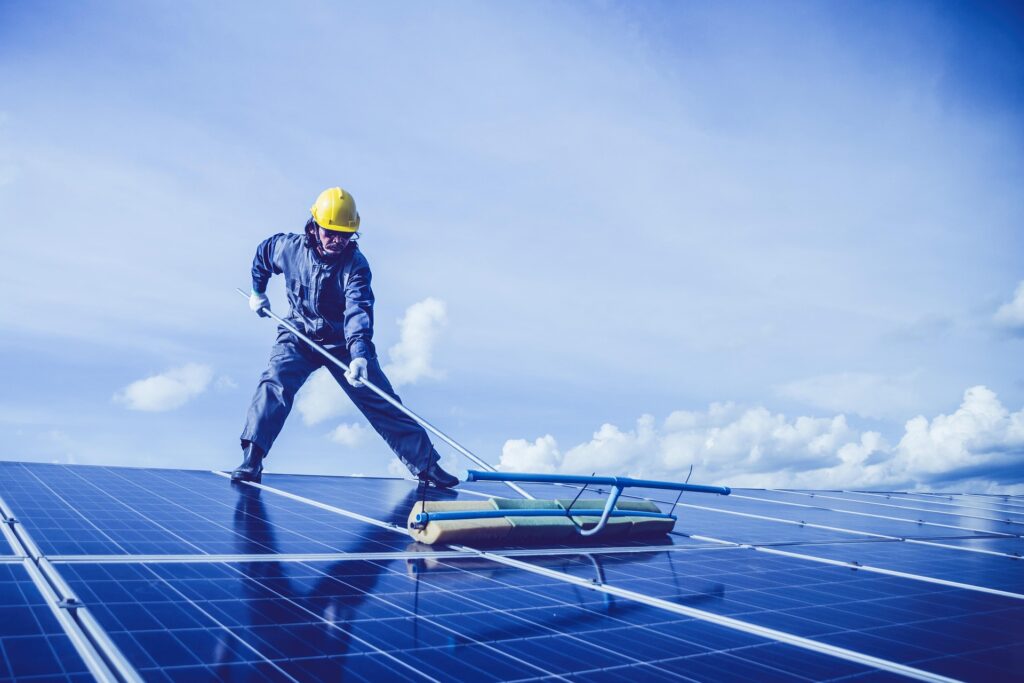
Why Solar Panel Cleaning Matters
Solar panels generate electricity when sunlight strikes photovoltaic cells beneath a layer of protective glass. The more sunlight that reaches these cells, the more electricity the system can produce.
Over time, however, airborne particles and environmental contaminants begin to accumulate on the glass surface. This process—known in the solar industry as soiling—reduces the amount of sunlight reaching the cells. While a light layer of dust may have only a modest effect, heavier contamination can significantly reduce energy production, particularly when it covers multiple cells or creates uneven shading.
Common sources of solar panel soiling include:
- Wind-blown dust
- Pollen
- Bird droppings
- Tree sap
- Leaves and organic debris
- Vehicle emissions
- Industrial pollution
- Salt spray in coastal regions
- Construction dust
- Ash from wildfires or agricultural burning
- Snow and ice in colder climates
Each environment presents different maintenance challenges. For example, homes near farmland often experience increased pollen and soil deposits during planting and harvesting seasons, while properties close to busy roads may accumulate oily residue and airborne pollutants more quickly.
Ignoring these contaminants for long periods can gradually reduce your system’s efficiency and, in some cases, contribute to uneven heating that places additional stress on the affected solar cells.
How Dirty Solar Panels Affect Performance
One of the most common misconceptions among solar owners is that a little dirt makes no difference. In reality, even partial shading can affect how efficiently a photovoltaic panel generates electricity.
Solar cells within a panel are electrically connected. When one section receives less sunlight because of dirt or bird droppings, it can reduce the output of neighboring cells. This phenomenon is one reason why localized contamination often has a greater impact than many people expect.
The degree of energy loss depends on several factors, including:
- The type of contaminant
- The amount of surface coverage
- Panel tilt angle
- Local weather conditions
- Rainfall frequency
- Air pollution levels
- Bird activity
- Seasonal pollen
For example, a thin layer of dust spread evenly across a panel may reduce output only slightly. By contrast, thick bird droppings covering a small area can create concentrated shading that affects a disproportionately large portion of the panel’s performance.
Modern solar monitoring systems often allow homeowners to track daily and monthly energy production. If you notice a gradual decline in output despite similar weather conditions, accumulated dirt may be one of the first things to investigate.
Benefits of Regular Solar Panel Cleaning
Cleaning your solar panels on a regular schedule offers several important advantages beyond simply improving appearance.
1. Increased Energy Production
Clean panels allow more sunlight to reach the photovoltaic cells, helping the system generate electricity closer to its rated capacity. Although the exact improvement varies by location and environmental conditions, removing accumulated dirt can restore energy production that would otherwise be lost.
2. Better Return on Investment (ROI)
Solar systems represent a significant financial investment. Every additional kilowatt-hour your system produces offsets electricity purchased from the utility grid. Keeping panels clean helps maximize these savings throughout the system’s lifespan.
For homes participating in net metering or feed-in tariff programs, maintaining higher energy production may also increase the value of electricity exported back to the grid.
3. Longer Equipment Life
Routine cleaning provides an opportunity to inspect your system for potential problems such as cracked glass, loose mounting hardware, damaged wiring, corrosion, or deteriorating seals.
Identifying these issues early can prevent more expensive repairs and help extend the operational life of your solar installation.
4. Improved Safety
During scheduled maintenance, installers or homeowners can also identify hazards such as loose cables, nests built beneath panels, blocked drainage paths, or damaged roof flashing before they become serious problems.
5. Preserved Manufacturer Warranty
Many manufacturers recommend periodic inspections and proper maintenance throughout the life of the system. While routine cleaning alone may not be a warranty requirement, following the manufacturer’s care recommendations helps ensure the equipment remains in good condition.
Signs Your Solar Panels Need Cleaning
Solar panels don’t always look obviously dirty from the ground. In many cases, performance declines gradually before homeowners notice visible contamination.
Consider inspecting your panels if you observe any of the following:
- Visible dust covering the glass
- Bird droppings that remain after rainfall
- Leaves or branches shading part of the array
- Tree sap or sticky residue
- Uneven discoloration across the panel surface
- Mineral deposits or water spots
- Noticeable decline in energy production
- Heavy pollen accumulation during spring
- Construction dust after nearby building work
- Ash or soot following storms or wildfire events
Monitoring software provided with many modern inverters can be particularly helpful. If your system consistently generates less electricity than expected under similar weather conditions, a visual inspection is often the next logical step.
As a general rule, don’t wait until panels appear heavily soiled. A simple inspection every few months—especially after storms, high winds, or seasonal pollen events—can help identify when cleaning is actually needed rather than relying on a fixed schedule alone.
How Often Should You Clean Solar Panels?
There isn’t a one-size-fits-all cleaning schedule for every solar installation. The ideal frequency depends on your local environment, weather conditions, roof angle, and nearby sources of dust or debris.
For example, a home in a suburban neighborhood that receives regular rainfall may only need cleaning once or twice a year. On the other hand, a system installed near farmland, construction sites, factories, or busy roads may require much more frequent maintenance to maintain peak performance.
Rather than relying solely on a calendar, combine routine visual inspections with your solar monitoring data. If electricity production drops without an obvious change in weather or seasonal sunlight, it’s worth checking whether dirt or debris is affecting the panels.
Recommended Cleaning Frequency
| Installation Environment | Suggested Inspection | Typical Cleaning Frequency |
| Residential areas with regular rainfall | Every 3 months | Every 6–12 months |
| Dusty or desert regions | Monthly | Every 2–4 months |
| Agricultural areas | Every 2 months | Every 3–6 months |
| Industrial locations | Monthly | Every 2–3 months |
| Coastal properties | Every 2–3 months | Every 3–4 months |
| Areas with frequent bird activity | Monthly | As needed after inspection |
These are general recommendations. Always adjust your maintenance schedule based on actual panel condition and energy production rather than following fixed dates alone.
Factors That Influence Cleaning Frequency
Several environmental factors determine how quickly contaminants accumulate on solar panels.
Local Climate
Dry climates typically experience more airborne dust, while humid regions often see pollen, algae, or mold developing on panel surfaces. Coastal environments expose panels to salt deposits that can build up over time if not removed.
Roof Angle
Panels installed at steeper angles generally shed dust and rainwater more effectively than flat or low-slope installations. Flat-mounted systems usually require more frequent inspections because debris is less likely to wash away naturally.
Nearby Trees
Trees provide welcome shade for buildings, but they also increase maintenance needs. Leaves, pollen, seeds, and sticky tree sap can accumulate on panels throughout the year.
If birds frequently perch on nearby branches, droppings may also become a recurring issue.
Construction Activity
If new buildings, roads, or landscaping projects are taking place nearby, expect significantly higher levels of airborne dust. Temporary increases in cleaning frequency during construction can help prevent unnecessary energy losses.
Seasonal Changes
Many homeowners notice that their panels become dirtiest during specific times of the year rather than gradually throughout all seasons. Understanding these seasonal patterns helps create a more effective maintenance schedule.
Seasonal Solar Panel Cleaning Guide
Every season brings different maintenance challenges. Adjusting your inspections throughout the year helps keep your solar system operating efficiently.
Spring
Spring often brings large amounts of pollen, flower petals, and tree sap. These materials may not wash away completely with rain and can gradually form a sticky layer on the panel surface.
During spring inspections:
- Remove pollen buildup.
- Check for tree sap.
- Inspect for nests built by birds beneath the panels.
- Verify that nearby trees are not creating new shading.
Summer
Long daylight hours mean maximum energy production, making summer an important season for maintaining clean panels.
Look for:
- Wind-blown dust
- Bird droppings
- Dry leaves
- Insect residue
In particularly dry regions, dust can accumulate surprisingly quickly, even after only a few weeks without rain.
Autumn
Falling leaves and twigs are the biggest concern during autumn.
Inspect for:
- Leaves trapped beneath panel frames
- Organic debris blocking drainage
- Branches creating shade
- Moss growth in damp environments
Keeping debris off the roof also helps prevent water from pooling around the mounting system.
Winter
Winter maintenance varies greatly depending on location.
In areas that experience snow:
- Allow snow to slide off naturally whenever possible.
- Never use metal tools to remove ice.
- Avoid striking frozen panels.
- Inspect mounting hardware after severe storms.
Most modern solar panels are designed to withstand snow loads, but heavy accumulations may temporarily reduce electricity production until sunlight reaches the cells again.
Best Time of Day to Clean Solar Panels
Choosing the right time of day is almost as important as choosing the right cleaning method.
The safest and most effective times include:
- Early morning
- Late afternoon
- Overcast days with mild temperatures
Avoid cleaning during the hottest part of the day.
When panels are exposed to intense sunlight, the glass surface can become extremely hot. Spraying cold water onto hot panels may create unnecessary thermal stress, while water evaporates so quickly that it often leaves mineral spots and streaks before cleaning is complete.
Cooler conditions allow water to remain on the surface longer, making it easier to loosen dirt and rinse away contaminants thoroughly.
Equipment You’ll Need
Using the correct equipment helps protect the anti-reflective coating found on most modern solar panels.
Professional installers typically recommend the following tools:
- Soft microfiber cloths
- Non-abrasive sponges
- Soft-bristle brushes
- Extension poles with padded cleaning heads
- Rubber squeegee
- Low-pressure garden hose
- Bucket of clean water
- Distilled or deionized water when available
- Safety gloves
- Non-slip footwear
- Fall-protection equipment for roof work
For larger residential or commercial systems, water-fed pole systems using purified water can clean panels efficiently while minimizing streaks.
Step-by-Step Solar Panel Cleaning Process
Cleaning solar panels is relatively straightforward, but taking the proper approach helps prevent accidental damage.
Step 1: Review the Manufacturer’s Instructions
Before cleaning, check the maintenance recommendations provided by the panel manufacturer. Some manufacturers specify approved cleaning products or methods, while others recommend avoiding certain chemicals or equipment.
Following these guidelines helps protect both your equipment and any applicable warranty.
Step 2: Shut Down the Solar System
If your system requires roof access, follow the manufacturer’s shutdown procedure before beginning work.
Turning off the system reduces electrical risks while allowing you to work more safely around cables and connectors.
If you are unsure how to isolate the system safely, contact your installer before attempting maintenance.
Step 3: Perform a Visual Inspection
Before applying water, inspect the panels carefully.
Look for:
- Cracked glass
- Loose mounting brackets
- Damaged wiring
- Burn marks
- Corrosion
- Loose connectors
- Animal nests
- Signs of water intrusion
If you discover physical damage, postpone cleaning until the issue has been inspected by a qualified technician.
Step 4: Remove Loose Debris
Begin by gently rinsing the panels with clean, low-pressure water.
This removes:
- Dust
- Sand
- Dry leaves
- Loose dirt
- Surface pollen
Removing loose particles first reduces the risk of scratching the glass during wiping.
Never use pressure washers, as high-pressure water can damage seals, electrical connections, and mounting components.
Step 5: Clean the Surface Gently
Using a soft sponge or microfiber cloth, clean the glass with clean water.
If necessary, use a small amount of mild soap approved by the panel manufacturer to loosen stubborn residue.
Avoid applying excessive pressure.
The goal is to lift contaminants from the surface—not scrub them aggressively.
Step 6: Remove Stubborn Bird Droppings
Bird droppings are one of the most common causes of localized shading.
Rather than scraping dried deposits, soak them with water for several minutes until they soften naturally.
Then wipe them away gently using a microfiber cloth or soft sponge.
Patience is far safer than force.
Step 7: Rinse Thoroughly
After cleaning, rinse the panels completely to remove any remaining soap or residue.
Leftover cleaning products can attract dirt over time or leave visible streaks that reduce light transmission.
Whenever possible, use deionized or distilled water for the final rinse, particularly in areas with hard water.
DIY vs. Professional Solar Panel Cleaning: Which Option Is Right for You?
One of the most common questions solar system owners ask is whether they should clean their panels themselves or hire a professional. The answer depends on several factors, including the size of the system, roof accessibility, the level of dirt buildup, and your comfort working at heights.
For many homeowners, light cleaning of easily accessible, ground-mounted solar panels can be done safely with the right tools and proper precautions. However, rooftop systems often present additional safety risks that make professional cleaning a worthwhile investment.
When DIY Cleaning Makes Sense
If your solar panels are easy to reach without climbing onto a steep roof, cleaning them yourself can be both practical and cost-effective.
DIY cleaning is generally suitable when:
- The system is ground-mounted or installed on a single-story home.
- The panels require only light cleaning.
- You have the recommended cleaning equipment.
- The manufacturer’s maintenance guidelines permit owner cleaning.
- You can work safely without risking a fall.
A simple rinse followed by gentle cleaning with purified water and a microfiber cloth is often sufficient to remove dust and light debris.
However, safety should always take priority over saving money. If reaching the panels requires walking on a steep roof or working near electrical components, professional assistance is the safer choice.
When It’s Best to Hire a Professional
Professional solar panel cleaning companies have specialized equipment, safety training, and experience inspecting photovoltaic systems. In addition to cleaning the panels, technicians often identify maintenance issues that homeowners might overlook.
Professional cleaning is recommended for:
- Multi-story homes
- Commercial buildings
- Large residential systems
- Solar farms
- Panels installed on steep or fragile roofs
- Systems with significant bird droppings or tree sap
- Installations requiring safety harnesses or elevated work platforms
Many service providers also perform basic system inspections during cleaning, checking for loose wiring, damaged mounting hardware, cracked glass, corrosion, or signs of water intrusion.
These preventive inspections can help identify small problems before they become expensive repairs.
Comparing DIY and Professional Cleaning
| Factor | DIY Cleaning | Professional Cleaning |
| Initial Cost | Lower | Higher |
| Safety | Depends on roof access | High with trained technicians |
| Equipment Quality | Basic household tools | Specialized professional equipment |
| Inspection Included | Limited | Comprehensive visual inspection |
| Cleaning Quality | Good for light soiling | Excellent for heavy contamination |
| Risk of Damage | Higher if improper tools are used | Lower when performed by experienced professionals |
For many homeowners, a practical approach is to perform regular visual inspections themselves while scheduling a professional cleaning and inspection once every year or two.
Solar Panel Cleaning Safety Tips
Solar panel maintenance should never compromise personal safety. Most injuries associated with solar cleaning are related to falls rather than the panels themselves.
Before beginning any cleaning project, consider the following safety guidelines.
1. Turn Off the System
Always follow the shutdown procedure recommended by your installer or equipment manufacturer before performing maintenance.
Although solar panels continue generating electricity when exposed to sunlight, isolating the system reduces unnecessary electrical risks while working around cables and connectors.
2. Never Walk on Solar Panels
Solar panels are engineered to withstand wind, hail, and snow loads—not the concentrated weight of a person.
Walking directly on the panels can:
- Crack the protective glass
- Damage photovoltaic cells
- Void manufacturer warranties
- Reduce long-term performance
Always work from the roof surface or use appropriate extension tools instead of stepping onto the panels.
3. Use Proper Fall Protection
If roof access is necessary:
- Use a stable ladder.
- Wear non-slip footwear.
- Secure the ladder on a level surface.
- Use an approved safety harness when appropriate.
- Avoid working alone.
If conditions feel unsafe, postpone the work or hire a qualified professional.
4. Avoid Cleaning During Bad Weather
Never clean solar panels during:
- Rain
- High winds
- Thunderstorms
- Frost or icy conditions
- Extreme heat
Wet roofs become extremely slippery, increasing the likelihood of accidents.
Cleaning Products You Should Never Use
Solar panels are protected by a durable, anti-reflective glass coating that helps maximize sunlight absorption. While this coating is designed to withstand outdoor conditions, harsh cleaning products can permanently damage it.
Avoid using:
- Abrasive scouring pads
- Steel wool
- Wire brushes
- Harsh household detergents
- Bleach
- Ammonia-based cleaners
- Strong solvents
- Acidic cleaning solutions
- Pressure washers
- High-pressure steam cleaners
Instead, use clean water, a soft microfiber cloth, and—if recommended by the manufacturer—a mild, non-abrasive cleaning solution specifically formulated for solar panels.
Common Solar Panel Cleaning Mistakes
Even well-intentioned maintenance can reduce panel performance if the wrong methods are used.
Cleaning During Midday
Cleaning hot panels causes water to evaporate quickly, leaving mineral deposits and streaks behind. Sudden temperature changes may also place unnecessary stress on the glass.
Using Hard Water Without Rinsing
Hard water contains minerals that remain on the surface after evaporation, reducing light transmission over time.
Whenever possible, perform a final rinse with distilled or deionized water.
Scrubbing Too Aggressively
Stubborn stains should be soaked and loosened rather than scrubbed with excessive force.
Aggressive scrubbing increases the risk of scratching the protective coating.
Ignoring Performance Monitoring
Many homeowners only inspect their panels when visible dirt appears.
Regularly checking your inverter or monitoring app helps identify gradual performance declines before they become significant.
Forgetting Nearby Vegetation
Trees continue growing long after a solar installation is completed.
Trim branches periodically to reduce shading, leaf accumulation, and bird activity above the panels.
Does Rain Clean Solar Panels?
Rain helps—but it should not be considered a complete cleaning solution.
Light rainfall usually removes loose dust from the surface, but it rarely eliminates contaminants such as:
- Bird droppings
- Sticky pollen
- Tree sap
- Industrial pollution
- Salt deposits
- Oily residue from vehicle emissions
In some regions, rainwater itself may contain airborne pollutants that leave additional residue after drying.
Think of rainfall as a natural rinse rather than a complete maintenance strategy.
Regular inspections remain the most reliable way to determine when manual cleaning is necessary.
Commercial Solar Panel Cleaning
Commercial and utility-scale solar installations require a more structured maintenance approach than residential systems.
Because these systems often consist of hundreds or thousands of panels, even small efficiency losses can translate into significant financial impacts over time.
Professional commercial maintenance programs typically include:
- Scheduled cleaning based on environmental conditions
- Drone-assisted visual inspections
- Thermal imaging to identify hotspots
- Performance benchmarking
- Electrical safety inspections
- Mounting structure assessments
- Preventive maintenance reporting
Many commercial operators also use purified-water cleaning systems that leave no mineral residue, allowing large arrays to be cleaned efficiently without the need for detergents.
By combining routine inspections with scheduled cleaning, businesses can maintain consistent energy production, reduce downtime, and protect the long-term value of their solar investment.
Part 4: Cost, Maintenance Checklist, Environmental Benefits, FAQs & Conclusion
How Much Does Solar Panel Cleaning Cost?
The cost of professional solar panel cleaning varies depending on several factors, including the size of the solar array, roof accessibility, geographic location, and the amount of dirt or debris that has accumulated.
While prices differ between service providers, most homeowners find that routine cleaning is a relatively small expense compared to the long-term financial benefits of maintaining optimal energy production.
Factors that influence cleaning costs include:
- Number of solar panels
- Roof height and slope
- Ease of roof access
- Type and severity of contamination
- Location of the property
- Whether inspection services are included
- Frequency of scheduled maintenance
Some cleaning companies offer annual maintenance plans that include regular inspections, panel cleaning, and basic system health checks. These plans can be particularly beneficial for homeowners living in dusty, coastal, or high-pollution environments where panels require more frequent attention.
Rather than focusing solely on the cost of cleaning, consider the value of maintaining consistent electricity generation throughout the system’s lifespan. Preventive maintenance often costs far less than the revenue or energy savings lost from reduced panel performance.
Solar Panel Maintenance Checklist
Cleaning is only one aspect of proper solar system maintenance. Performing regular inspections helps identify potential issues before they develop into expensive repairs.
Use the following checklist throughout the year:
Monthly
- Review energy production using your monitoring system.
- Look for sudden drops in performance.
- Check for new shading caused by growing trees or nearby construction.
Every Three to Six Months
- Inspect panel surfaces for dust, bird droppings, leaves, and tree sap.
- Remove debris from around the array.
- Check that rainwater drains freely around the panels.
- Inspect visible wiring for signs of wear or animal damage.
Annually
- Schedule a professional inspection if roof access is difficult.
- Verify that mounting hardware remains secure.
- Inspect roof penetrations and flashing for signs of leaks.
- Check the inverter for warning lights or error messages.
- Confirm that ventilation around electrical components remains unobstructed.
After Severe Weather
Following storms, hail, or strong winds:
- Inspect the panels for cracks or chips.
- Look for loose mounting brackets.
- Check for fallen branches or debris.
- Monitor system output over the following days for unexpected performance changes.
Keeping a simple maintenance log can also help identify gradual changes in system performance over time.
Environmental Benefits of Keeping Solar Panels Clean
A well-maintained solar energy system contributes more effectively to a cleaner and more sustainable energy future.
When solar panels operate efficiently, they produce more renewable electricity using the same amount of installed equipment. This helps reduce reliance on fossil fuel-generated power and lowers greenhouse gas emissions associated with traditional electricity production.
Regular cleaning also supports sustainability by:
- Maximizing renewable energy generation.
- Reducing unnecessary electricity imports from the grid.
- Extending the service life of solar equipment.
- Lowering the environmental impact associated with manufacturing replacement components.
- Reducing electronic waste by helping systems remain operational for decades.
Although cleaning requires a small investment of time or resources, the long-term environmental benefits often outweigh the maintenance effort.
How Regular Cleaning Improves Return on Investment (ROI)
Installing a solar energy system is a long-term financial decision. Every kilowatt-hour generated helps offset electricity purchased from your utility provider.
When dirt, pollen, bird droppings, or other contaminants reduce panel performance, the system generates less electricity than it is capable of producing. Over months and years, these seemingly small losses can accumulate into a noticeable reduction in energy savings.
Routine cleaning helps maximize your return on investment by:
- Increasing annual electricity production.
- Shortening the system’s payback period.
- Improving long-term energy savings.
- Supporting higher export values for homes participating in net metering or feed-in tariff programs.
- Helping maintain consistent performance throughout the system’s expected lifespan.
For businesses operating large solar installations, even modest improvements in system efficiency can translate into substantial financial gains over many years.
Frequently Asked Questions
Does rain clean solar panels?
Rain removes loose dust, but it typically does not remove bird droppings, tree sap, pollen, oily residue, or mineral deposits. Regular inspections remain the best way to determine whether manual cleaning is necessary.
How often should solar panels be cleaned?
Most residential systems benefit from cleaning every six to twelve months. However, installations in dusty, coastal, agricultural, or industrial environments may require more frequent maintenance.
Can dirty solar panels reduce electricity production?
Yes. Dirt and debris reduce the amount of sunlight reaching the photovoltaic cells, which can lower electricity generation. The degree of impact depends on the type and amount of contamination.
Is it safe to use a pressure washer?
No. High-pressure water can damage seals, electrical connections, and mounting components. A low-pressure hose or purified-water cleaning system is much safer.
Can I use dish soap?
If the panel manufacturer approves it, a small amount of mild, non-abrasive soap may be used when necessary. Avoid harsh detergents, bleach, ammonia, or solvent-based cleaners.
Should I walk on my solar panels?
No. Walking on solar panels can crack the glass, damage internal cells, and potentially void the manufacturer’s warranty.
What type of water is best?
Deionized or distilled water is ideal because it leaves minimal mineral residue after drying. If using tap water, rinse thoroughly to reduce spotting.
Does snow damage solar panels?
Most modern solar panels are engineered to withstand typical snow loads. However, heavy snow temporarily blocks sunlight until it melts or slides off naturally.
How do I know if my panels need cleaning?
Monitor your inverter or solar monitoring app. If electricity production declines despite similar weather conditions, inspect the panels for dirt or debris.
Is professional cleaning worth the cost?
For difficult roof access, large systems, or heavily soiled panels, professional cleaning often provides greater safety, a more thorough inspection, and better long-term maintenance.
Final Thoughts
Solar panels require relatively little maintenance compared with many other home improvements, but they should never be completely ignored.
Routine inspections, timely cleaning, and preventive maintenance help ensure that your system continues producing electricity efficiently year after year.
Whether you choose to clean your panels yourself or hire a qualified professional, the key is consistency. Removing dirt before it becomes severe, monitoring system performance regularly, and following manufacturer recommendations can extend the life of your solar installation while protecting the financial return on your investment.
Rather than waiting until energy production declines noticeably, make solar panel maintenance part of your regular property care routine. A small investment in preventive maintenance today can help your solar system deliver reliable, clean energy for decades to come.
Conclusion
Solar energy is one of the most dependable and cost-effective renewable energy solutions available today, but its long-term success depends on proper maintenance. Clean solar panels capture more sunlight, generate more electricity, and help maximize the value of your investment.
By understanding how environmental conditions affect panel performance, following safe cleaning practices, and scheduling regular inspections, homeowners and businesses can maintain high system efficiency while reducing the likelihood of costly repairs.
Whether your solar array is installed on a residential rooftop or a large commercial facility, a proactive maintenance plan will help ensure reliable energy production throughout its lifespan.
Remember: A clean solar panel isn’t just about appearance—it’s about protecting performance, extending equipment life, and getting the most from every ray of sunshine.