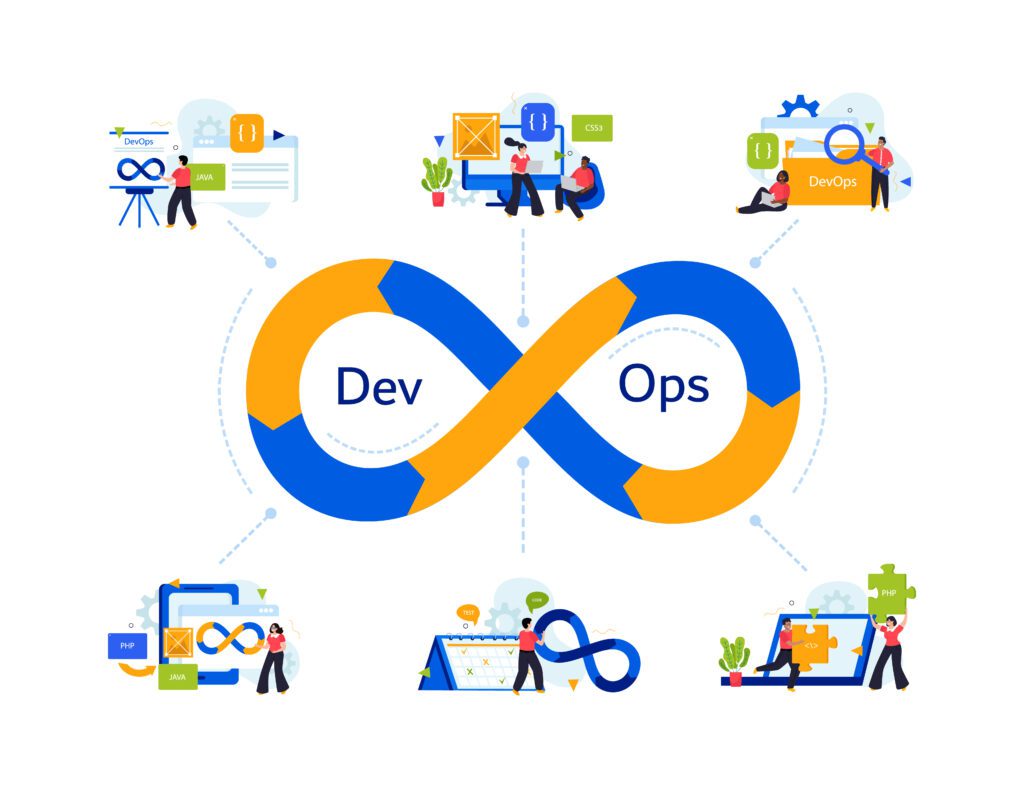
DevOps vs DevSecOps: A Comprehensive Comparison Revealing Key Differences

DevOps vs DevSecOps

Introduction: DevOps vs DevSecOps

In the realm of software development and IT operations, two methodologies stand out: DevOps and DevSecOps. While both aim to enhance collaboration and streamline processes, they diverge in their approach towards security integration. This article aims to dissect the disparities between DevOps and DevSecOps, shedding light on their core principles, methodologies, and benefits. By the end, readers will gain a comprehensive understanding of these methodologies and be equipped to make informed decisions for their organizations.

Understanding DevOps

What is DevOps?

DevOps, a portmanteau of Development and Operations, is a software development methodology focused on improving collaboration between software developers and IT operations teams. It emphasizes automation, continuous integration, and continuous delivery (CI/CD) pipelines to accelerate software development and deployment cycles.

Core Principles of DevOps

DevOps revolves around several core principles, including:

  • Automation: Automate repetitive tasks to increase efficiency and reduce errors.
  • Collaboration: Foster a culture of collaboration and communication between development, operations, and quality assurance teams.
  • Continuous Integration: Integrate code changes frequently to detect and resolve issues early in the development process.
  • Continuous Delivery: Ensure that software can be deployed to production at any time with minimal manual intervention.

Benefits of DevOps

The adoption of DevOps yields numerous benefits, such as:

  • Faster Time to Market: Shortened development cycles lead to quicker delivery of features and updates.
  • Improved Quality: Continuous testing and integration result in higher-quality software.
  • Enhanced Collaboration: Siloed teams break down, fostering better communication and collaboration.
  • Increased Efficiency: Automation reduces manual errors and accelerates processes.

Delving into DevSecOps

What is DevSecOps?

DevSecOps extends the principles of DevOps by integrating security practices into the software development lifecycle from the outset. It emphasizes the importance of security as a fundamental aspect of the development process rather than an afterthought.

Core Principles of DevSecOps

DevSecOps incorporates the following core principles:

  • Shift Left: Integrate security practices early in the development lifecycle, starting from the planning phase.
  • Automation of Security Tests: Automate security testing to identify vulnerabilities and weaknesses in code.
  • Culture of Security: Promote a culture where every team member is responsible for security, not just the security team.
  • Continuous Monitoring: Implement tools and processes for continuous monitoring of applications and infrastructure for security threats.

Benefits of DevSecOps

The adoption of DevSecOps offers several benefits, including:

  • Enhanced Security Posture: By addressing security concerns from the outset, organizations can better protect their systems and data.
  • Faster Incident Response: With continuous monitoring and automated security tests, organizations can detect and respond to security incidents more rapidly.
  • Compliance Readiness: DevSecOps practices help organizations maintain compliance with industry regulations and standards.
  • Improved Stakeholder Confidence: Demonstrating a commitment to security enhances trust and confidence among customers and stakeholders.

DevOps vs DevSecOps: A Comprehensive Comparison

In comparing DevOps and DevSecOps, it’s essential to highlight their key differences:

AspectDevOpsDevSecOps
FocusCollaboration between development and operations teamsIntegration of security into every phase of the development process
Security IntegrationSecurity considerations as part of the development processSecurity practices integrated from the outset, known as “shifting left”
Tools and PracticesEmphasis on automation, CI/CD pipelines, and collaboration toolsAddition of security testing tools and practices, such as static code analysis and vulnerability scanning
ResponsibilityShared responsibility among development, operations, and quality assurance teamsCollective responsibility for security among all team members, not just the security team

Conclusion

In conclusion, while both DevOps and DevSecOps aim to enhance software development processes, they diverge in their approach towards security integration. DevOps emphasizes collaboration and automation, while DevSecOps extends these principles to include security practices from the outset. Ultimately, the choice between DevOps and DevSecOps depends on organizational needs, priorities, and the level of emphasis placed on security.

FAQs

  • What are the primary differences between DevOps and DevSecOps? DevOps focuses on collaboration and automation, while DevSecOps integrates security practices from the outset.
  • How does DevSecOps improve security posture? By addressing security concerns early and integrating security practices throughout the development process, DevSecOps enhances an organization’s security posture.
  • Is DevOps outdated with the rise of DevSecOps? No, DevOps is still relevant, but organizations increasingly recognize the importance of integrating security practices, leading to the adoption of DevSecOps.
  • What role does automation play in DevSecOps? Automation streamlines security processes, enabling rapid identification and remediation of vulnerabilities while minimizing manual errors.
  • How does DevSecOps impact compliance requirements? DevSecOps helps organizations maintain compliance with industry regulations and standards by integrating security into the development process.
  • Are there any challenges associated with transitioning to DevSecOps? Transitioning to DevSecOps may require cultural shifts, additional training, and investment in security tools, but the benefits outweigh the challenges in the long run.

Final Thoughts

In today’s rapidly evolving digital landscape, prioritizing both speed and security is paramount. Whether opting for DevOps or DevSecOps, organizations must strive for a balanced approach that fosters innovation while safeguarding against potential threats.


How to Permanently Remove My AI on Snapchat: Ultimate Guide

My AI on Snapchat:

Introduction: My AI on Snapchat:

In today’s digital age, concerns about privacy and data security are at an all-time high. With the rise of artificial intelligence (AI) integration in various social media platforms, users are becoming increasingly wary of the implications it may have on their personal information. Snapchat, a popular multimedia messaging app, is no exception. Many users are seeking ways to delete their AI presence on Snapchat to regain control over their privacy. In this guide, we’ll delve into the intricacies of permanently removing your AI on Snapchat, providing you with actionable steps and insights to safeguard your privacy.

Understanding AI on Snapchat

Before diving into the deletion process, it’s essential to understand what AI entails on Snapchat. Snapchat’s AI technology is primarily used for enhancing user experience through features like facial recognition, augmented reality (AR) filters, and personalized content recommendations. While these features can be entertaining and engaging, they also involve the collection and analysis of user data, raising privacy concerns for some users.

Why Delete Your AI on Snapchat?

  • Enhanced Privacy: Removing your AI presence reduces the amount of data collected and processed by Snapchat, thereby enhancing your privacy.
  • Data Security: By eliminating your AI footprint, you reduce the risk of potential data breaches or misuse of your personal information.
  • Customized Experience: Without AI interference, you regain control over the content you see and interact with on Snapchat, ensuring a more personalized experience based solely on your preferences.

Steps to Delete Your AI on Snapchat

Step 1: Accessing Settings

To begin the deletion process, open the Snapchat app on your mobile device and navigate to your profile by tapping on your Bitmoji or profile picture in the top left corner.

Step 2: Navigating to Privacy Settings

Within your profile, locate the “Settings” gear icon in the top right corner and tap on it. From the dropdown menu, select “Privacy” to access your privacy settings.

Step 3: Managing AI Preferences

Scroll down to find the section labeled “AI Preferences” or “Data Preferences.” Here, you’ll have options to manage various AI-related features, such as facial recognition and personalized recommendations.

Step 4: Opting Out

To delete your AI presence, toggle off any AI-related features that you wish to disable. This may include facial recognition, location-based services, or personalized content recommendations.

Step 5: Confirming Deletion

After disabling the desired AI features, confirm your changes by following the on-screen prompts. Snapchat may require you to re-enter your password for security purposes.

Step 6: Verification

Once confirmed, your AI preferences will be updated, and your AI presence on Snapchat will be permanently deleted.

FAQs

  • How long does it take to delete my AI on Snapchat? The deletion process is typically instantaneous, with changes taking effect immediately upon confirmation.
  • Can I re-enable AI features after deletion? Yes, you can re-enable AI features at any time by returning to your privacy settings and toggling them back on.
  • Will deleting my AI affect my account or data? Deleting your AI presence on Snapchat will not affect your account or existing data. However, it may impact certain app features that rely on AI technology.
  • Is deleting my AI irreversible? While you can re-enable AI features, the deletion of your AI presence itself is irreversible. Once deleted, your AI data cannot be restored.
  • Does deleting my AI on Snapchat affect my friends or contacts? No, deleting your AI presence only affects your personal experience on Snapchat and does not impact your friends or contacts.
  • Are there any risks associated with deleting my AI? There are minimal risks associated with deleting your AI on Snapchat, as it primarily involves opting out of certain features rather than permanently altering your account.

Conclusion

In conclusion, deleting your AI on Snapchat is a proactive step towards safeguarding your privacy and data security. By following the outlined steps and understanding the implications, you can take control of your digital footprint on the platform. Remember, your privacy matters, and with the right knowledge and actions, you can protect it effectively.

How to Develop a Top-Notch P2P Payment App: A Comprehensive Guide

 P2P Payment App

Introduction : P2P Payment App

Welcome to the definitive guide on p2p payment app development. In today’s digital age, peer-to-peer payment apps have revolutionized the way we handle transactions, making financial exchanges quicker, safer, and more convenient than ever before. In this article, we’ll delve into the intricacies of developing a seamless p2p payment app, covering everything from initial ideation to deployment and beyond.

Understanding the Landscape

The Evolution of P2P Payments

The p2p payment app development landscape has undergone a remarkable transformation in recent years. With the advent of mobile technology and the rise of digital wallets, consumers now expect fast, secure, and user-friendly payment solutions at their fingertips.

Market Analysis and Trends

Before diving into development, it’s crucial to conduct a comprehensive market analysis. By identifying current trends, user preferences, and potential competitors, developers can gain invaluable insights that will inform every stage of the app’s creation.

Planning Your App

Defining Your Objectives

Every successful app begins with a clear set of objectives. Whether your goal is to streamline transactions, foster financial inclusivity, or capitalize on emerging markets, articulating these objectives will serve as a roadmap throughout the development process.

Identifying Key Features

When designing a p2p payment app, it’s essential to prioritize functionality. From seamless transaction processing and user authentication to robust security measures and intuitive interfaces, each feature should be meticulously planned to enhance the user experience.

Development Phase

Choosing the Right Technology Stack

Selecting the appropriate technology stack is a pivotal decision that will impact the app’s performance, scalability, and long-term viability. Whether opting for native or cross-platform development, thorough research and testing are essential to ensure compatibility and reliability across various devices and operating systems.

User Interface and Experience Design

A visually appealing and user-friendly interface is paramount in captivating and retaining users. Collaborating with experienced designers to create intuitive navigation, responsive layouts, and engaging visuals will elevate your app above the competition.

Testing and Quality Assurance

Conducting Rigorous Testing

Before launching your app into the market, rigorous testing is imperative to identify and rectify any bugs, glitches, or security vulnerabilities. Utilizing automated testing frameworks and soliciting feedback from beta testers will help ensure a smooth and seamless user experience upon release.

Deployment and Beyond

Launching Your App

With thorough testing complete, it’s time to unleash your p2p payment app into the digital marketplace. Leveraging effective marketing strategies, such as targeted advertising, influencer partnerships, and app store optimization, will maximize visibility and drive user adoption.

Continuous Improvement

The journey doesn’t end with the app’s launch – ongoing monitoring, analysis, and iteration are essential for sustained success. By soliciting user feedback, monitoring performance metrics, and implementing regular updates and enhancements, you can cultivate a loyal user base and stay ahead of the competition.

FAQs

  • How secure are p2p payment apps?
  • P2P payment apps employ advanced encryption and security protocols to safeguard user data and transactions, offering a level of security comparable to traditional banking systems.
  • What platforms can p2p payment apps be developed for?
  • P2P payment apps can be developed for a wide range of platforms, including iOS, Android, and web-based applications, ensuring compatibility across various devices and operating systems.
  • Are there any regulatory considerations for p2p payment app development?
  • Yes, developers must adhere to regulatory guidelines and compliance standards, such as Know Your Customer (KYC) and Anti-Money Laundering (AML) regulations, to ensure legal and ethical operation of the app.
  • How can I monetize my p2p payment app?
  • Monetization strategies for p2p payment apps may include transaction fees, premium features or subscriptions, targeted advertising, and strategic partnerships with financial institutions or merchants.
  • What are some best practices for user acquisition and retention?
  • Engaging in targeted marketing campaigns, offering incentives for referrals and user engagement, providing exceptional customer support, and continuously improving the app based on user feedback are key strategies for user acquisition and retention.
  • How can I ensure scalability and reliability as my user base grows?
  • By leveraging scalable infrastructure, implementing robust backend systems, and regularly monitoring performance metrics, developers can ensure that their p2p payment app remains reliable and responsive even as user demand increases.

Conclusion

In conclusion, p2p payment app development represents a lucrative opportunity for entrepreneurs and developers alike. By following the comprehensive guide outlined above and staying abreast of emerging technologies and consumer trends, you can create a cutting-edge app that revolutionizes the way people exchange money in the digital age.

The Revolutionary Impact of Artificial Intelligence on Society

The Revolutionary Impact of Artificial Intelligence on Society

Introduction : Impact of Artificial Intelligence on Society

Impact of Artificial Intelligence on Society from healthcare to transportation, education to entertainment, AI is reshaping the way we live, work, and interact. This article delves into the multifaceted impacts of AI on society, exploring its implications and possibilities.

Understanding the Role of AI

Artificial Intelligence, often referred to as the “intelligence of machines,” encompasses the development of computer systems capable of performing tasks that typically require human intelligence. This includes learning, problem-solving, perception, and decision-making. AI technologies, such as machine learning, natural language processing, and robotics, enable computers to mimic cognitive functions and adapt to new information autonomously.

The Ethical Dilemmas of AI

As AI becomes more integrated into society, ethical considerations come to the forefront. Issues surrounding data privacy, algorithmic bias, and job displacement raise concerns about the ethical use of AI. Ensuring fairness, accountability, and transparency in AI systems is crucial to mitigating these ethical dilemmas and fostering trust in AI technologies.

AI in Healthcare

AI is revolutionizing healthcare by enhancing diagnostics, personalized treatment, and patient care. Machine learning algorithms analyze medical data to predict diseases, recommend treatment plans, and optimize hospital operations. AI-powered medical devices, such as wearable sensors and remote monitoring systems, enable proactive health management and early intervention.

AI in Education

In education, AI is transforming teaching and learning experiences. Adaptive learning platforms tailor educational content to individual students’ needs, fostering personalized learning journeys. Intelligent tutoring systems provide immediate feedback and adaptive instruction, enhancing student engagement and academic performance. AI also facilitates the development of innovative educational tools, such as virtual reality simulations and interactive learning environments.

AI in Transportation

The transportation industry is undergoing a seismic shift with the advent of AI-powered autonomous vehicles. Self-driving cars, trucks, and drones promise safer, more efficient transportation systems, reducing accidents and congestion. AI algorithms optimize route planning, traffic management, and vehicle performance, leading to smoother and more sustainable mobility solutions.

AI in Entertainment

In the realm of entertainment, AI is revolutionizing content creation, distribution, and consumption. Recommendation algorithms personalize content recommendations based on users’ preferences and behavior, enhancing user satisfaction and engagement. AI-generated content, such as music compositions, artworks, and virtual influencers, blurs the line between human creativity and machine intelligence, opening up new possibilities for artistic expression and entertainment.

AI in Finance

AI is reshaping the financial industry by automating processes, detecting fraud, and informing investment decisions. Predictive analytics and machine learning algorithms analyze vast amounts of financial data to identify patterns, trends, and anomalies. AI-powered chatbots and virtual assistants provide personalized financial advice and customer support, enhancing user experience and accessibility.

AI in Environmental Sustainability

Addressing global challenges such as climate change and environmental degradation requires innovative solutions, and AI is playing a crucial role in advancing environmental sustainability. AI algorithms optimize energy consumption, resource utilization, and waste management, leading to more efficient and eco-friendly practices. Remote sensing technologies, powered by AI, monitor environmental changes and biodiversity loss, enabling proactive conservation efforts and ecosystem management.

AI in Social Media

Social media platforms leverage AI to enhance user engagement, content moderation, and targeted advertising. Natural language processing algorithms analyze user-generated content to detect sentiment, trends, and emerging topics. AI-powered content recommendation systems personalize users’ news feeds and recommendations, optimizing user experience and increasing platform retention.

AI in Governance and Policy

Governments and policymakers are increasingly turning to AI to address complex societal challenges and improve public services. Predictive analytics and data-driven decision-making inform policy formulation and resource allocation, optimizing government operations and service delivery. AI-powered civic engagement platforms facilitate citizen participation and feedback, fostering transparency and accountability in governance.

Frequently Asked Questions

  • How is AI Impacting Society?
  • AI is impacting society by revolutionizing industries, enhancing efficiency, and fostering innovation across various sectors.
  • What are the Ethical Considerations of AI?
  • Ethical considerations of AI include issues related to data privacy, algorithmic bias, and job displacement, requiring careful attention and regulation.
  • How is AI Transforming Healthcare?
  • AI is transforming healthcare by improving diagnostics, personalized treatment, and patient care through advanced analytics and predictive modeling.
  • What Role Does AI Play in Education?
  • AI plays a crucial role in education by enabling personalized learning experiences, adaptive instruction, and innovative educational tools.
  • How Does AI Influence Transportation?
  • AI influences transportation by enabling autonomous vehicles, optimizing route planning, and enhancing traffic management for safer and more efficient mobility solutions.
  • What Impact Does AI Have on Entertainment?
  • AI impacts entertainment by revolutionizing content creation, distribution, and consumption through personalized recommendations and AI-generated content.

Conclusion

In conclusion, the impact of Artificial Intelligence on society is profound and far-reaching. From transforming industries and revolutionizing daily life to raising ethical considerations and societal challenges, AI presents both opportunities and challenges. Embracing AI responsibly and ethically is essential to harnessing its full potential and shaping a future where AI enriches human lives and enhances societal well-being.

Unleashing the Power of AI Voice Generator Characters

AI Voice Generator Characters

In today’s digital age, where content creation is king, leveraging AI voice generator characters has become an indispensable tool for content creators, marketers, and businesses alike. These innovative technologies have revolutionized the way we produce content, offering unparalleled efficiency, versatility, and creativity. In this comprehensive guide, we delve into the world of AI voice generator characters, exploring their benefits, applications, and how they can elevate your content strategy to new heights.

Understanding AI Voice Generator Characters

AI voice generator characters, also known as text-to-speech (TTS) software or voice synthesizers, are advanced algorithms designed to convert written text into spoken words. Utilizing cutting-edge natural language processing (NLP) and machine learning techniques, these AI-powered tools can mimic human speech with remarkable accuracy and naturalness.

The Benefits of AI Voice Generator Characters

1. Enhanced Accessibility

One of the most significant advantages of AI voice generator characters is their ability to make content more accessible to diverse audiences. By transforming written text into audio format, these tools cater to individuals with visual impairments or learning disabilities, ensuring inclusivity and equal access to information.

2. Time and Cost Efficiency

In today’s fast-paced digital landscape, efficiency is paramount. AI voice generator characters streamline the content creation process, allowing users to generate high-quality audio content in a fraction of the time it would take to record traditional voiceovers. Moreover, they eliminate the need for expensive recording equipment and professional voice actors, making them a cost-effective solution for businesses of all sizes.

3. Versatility and Customization

From podcasts and audiobooks to interactive voice responses (IVRs) and virtual assistants, the applications of AI voice generator characters are virtually limitless. These versatile tools offer a wide range of voices, accents, and languages, allowing users to tailor the audio experience to their target audience and brand identity.

4. Scalability and Consistency

Consistency is key to building a strong brand presence. AI voice generator characters ensure uniformity across all audio content, maintaining brand voice and messaging consistency across various platforms and channels. Moreover, they enable seamless scalability, allowing businesses to produce large volumes of audio content efficiently and without compromising quality.

Applications of AI Voice Generator Characters

1. Content Creation and Marketing

In the realm of content marketing, AI voice generator characters offer a myriad of opportunities to engage and captivate audiences. From narrating blog posts and social media captions to creating compelling video content and advertisements, these tools empower marketers to deliver their message in a dynamic and immersive format.

2. E-Learning and Training

In the field of education and corporate training, AI voice generator characters are invaluable assets for creating interactive and engaging learning materials. Whether it’s delivering course lectures, providing feedback on assignments, or guiding users through simulations and tutorials, these tools enhance the learning experience and facilitate knowledge retention.

3. Accessibility Solutions

For individuals with disabilities or special needs, AI voice generator characters play a crucial role in facilitating access to information and communication. Whether it’s reading text aloud, providing navigation instructions, or enabling hands-free interaction with devices and applications, these tools empower users to navigate the digital world with greater independence and autonomy.

Best Practices for Implementing AI Voice Generator Characters

1. Choose the Right Voice

When selecting an AI voice generator character, it’s essential to choose a voice that resonates with your target audience and aligns with your brand personality. Consider factors such as tone, accent, and language to ensure that the voice reflects your brand identity and enhances the overall user experience.

2. Optimize for Clarity and Naturalness

While AI voice generator characters are incredibly lifelike, they may still exhibit certain limitations in pronunciation, intonation, or cadence. To maximize clarity and naturalness, optimize your written content for spoken delivery, avoiding complex sentence structures, ambiguous phrasing, and jargon that may confuse or mislead listeners.

3. Incorporate Variation and Emotion

To maintain listener engagement and prevent monotony, incorporate variation and emotion into your audio content. Experiment with pacing, pitch, and emphasis to convey nuance and expressiveness, ensuring that your message resonates with authenticity and impact.

Embracing the Future of Content Creation

In conclusion, AI voice generator characters represent a paradigm shift in content creation, offering unparalleled efficiency, versatility, and accessibility. By harnessing the power of these innovative technologies, businesses can unlock new opportunities for engagement, creativity, and growth in the digital landscape. Whether it’s captivating audiences with compelling audio content or facilitating access to information for individuals with disabilities, the possibilities are endless.

Williams Syndrome in the Tech World: Celebrating Diversity and Innovation

Williams Syndrome in the Tech World: Celebrating Diversity and Innovation

Williams syndrome, which is usually seen with certain genes being abnormally transmitted is sometimes associated with the unique difficulties. Nevertheless, they have exemplified tremendous talents and achievements, especially in the tech sector, which are often underrated and unrecognized. Let’s praise the richness in variety and sophistication with technology brought by modern technological personalities with WIlliams syndrome.

Unveiling the Talents:

The fact that well-known personalities, famous people with Williams syndrome are associated with extraordinary skills that lie within the domain of technology is very much a known fact. From programming and code writing to user experience design and venturers, their achievements cover many technological aspects and can be regarded as a reflection of one’s versatility, as well.

Williams Syndrome in the Tech World: Celebrating Diversity and Innovation

Programming Prodigies:

Williams Syndrome has revealed some celebrities are natural-born coders, they can easily learn and use programming languages and write software. They are proficient at paying close attention to minute details, can store a lot of information in their minds and have innate aptitude in dealing with patterns. This makes them an obvious choice for coding jobs. These people have gained an irreplaceable ground in the world of software engineering and they are more than worthy of recognition for their exemplary services.

UX Design Innovators:

Being primarily characterized as having the extra-sensitivity to emotions and empathy, Williams syndrome possesses qualities which are necessary to be a good user experience (UX) designer. In terms of UX design, those Williams syndrome celebrities have their own perspective, and they mainly focus on the design of interface which is not only impressive but more importantly usable or easy-to-use and engaging with end users.

Tech Entrepreneurship:

In addition to social and cognitive impairments, some Williams syndrome stalwarts have opted to scale the heights of the tech industry, namely in entrepreneurship. They are the ones gifted with such qualities as their artistic side, resilience, and zeal for creation that influence them in starting their own startup or come up with a tech venture, the backbone of the vibrant entrepreneurial ecosystem.

Advocacy and Awareness about Williams Syndrome:

Aside from providing their technical skills, well-known Williams syndrome thinkers are promoters of neurodiversity and inclusivity in the technology and other competitive industries. Their activities via social media and online outreach promote Williams syndrome and lead to the eradication of misleading ideas, bringing a new stream of attitude and understanding for people with neurodevelopmental conditions.

Problem-Solving Savants:

People whose genome code contains Williams syndrome are famous for their ability to outsmart any problem, which is important for technology innovation. People with Williams syndrome have become famous for solving various technical issues with their ingenuity and creativity, not to mention the fact they propose solutions to problems that have been known to be very hard to decipher.

Data Analysis and Insights:

In the sense that people with Williams syndrome sometimes can excellently sense patterns and deviation from data and for that reason provide data analysis performance. Prominent personages with Williams syndrome have employed this skill and used it to extract out valuable bits from big datasets, leading to data-driven decision making. Technology has benefited through it significantly because of it.

Tech Education and Mentorship:

The most widely famous people with Williams syndrome who work in tech field pledge their time and even involve the specialists for the education and mentorship programs for the students who are aspiring technologists. They encourage by sharing their own ideas and experience. These organizations achieve this educational goal either through the conducting of sessions, seminars and professional mentorship programs. As a result, they empower and ensure the diversity and inclusivity in the tech industry of the future.

Ethical Tech Leadership:

The moral leadership of tech giants is quintessential and some personalities with Williams syndrome have shown the nice undertone of integrity and empathy in this high position. Being one of the first innovators in the tech industry, they are committed to ethical issues in technology development to testify for user privacy, accessibility, and social responsibility that therefore affect the industry positively.

Collaborative Innovation:

Demonstrating a socially unfavorable behavior, in spite of this, those with Williams syndrome are even more likely to be willing to work together in team and group projects. Featured persons like Emma with Williams syndrome actively cooperate on joint ventures, mixing a diversity of viewpoints and fresh suggestions. Their teamwork spirit provides many opportunities for the development of people’s talents and further technological progress.

Accessibility Advocacy:

Personality features of Williams syndrome celebrities may act as advocates to accessible technology. Such people are usually drawn to this domain because they can easily relate to other people with the same obstacles and thus advocate for leveling the field during the design of structures and in the development of technologies. With this in mind, they tend to be diligent with promoting development of technologies that can communicate well with people of all abilities.

Tech Evangelism:

Technology is frequently promoted by significant people with Williams syndrome besides representing it as ambassadors maximizing their platforms, increasing liking, and participation in the latest discoveries. It is their zeal for technology that reveals not only innovation as it is but also its potential to others, so it creates demand and passion for technology and drives it through the tech community.

Creative Expression through Technology:

These people who are with Williams syndrome are capable of manifesting their inborn creativity and different arts through technologies. Through social media and other digital platforms, they are using this art medium which reflects the blending of technological innovations and creativity. Their work as true examples of people with this syndrome can be seen in the art galleries and virtual exhibitions.

Tech Therapy and Support:

The application of technology can also help as a therapy in treating the Williams syndrome, through which people can improve as well as get the support they need. Celebrities with the diagnosis of Williams syndrome make statements in the media advocating for the use of technology together with therapeutic conversations such as virtual therapy and digital communication to strengthen social skills, communication and emotional welfare.

Empowering Neurodiversity in Tech:

Among the celebrities with Williams syndrome are there front-runners at neurodiversity within the tech industry. They bench the discriminatory stereotypes and prejudice of being with neurodevelopmental disorders by voicing for more acceptance and assimilation of those individuals in workplaces of technology and in communities. As they spread the message, more and more women will know about the role they can play in this gender-balanced tech industry.

We are featured in the category of Write for Us Health, and we support diversity and progress in health tech stories. Read an article that we have produced extolling the rare individuals with Williams syndrome, who with their substantial contributions, are responsible for every tech trend, which results in accessibility, advocacy, and creativity in the healthcare field.

Conclusion:

World-renowned Williams syndrome individuals in the jobs of tech have the representation of diversity which bring out the creativity and resilience to be used for the jobs. Rather than underline their differences, we should praise the abilities and skill that they bring to the tech sphere. Besides, we can play a role in building a more community in the technology field by encouraging the people with racial diversity.

Best Earbuds 2024: Elevating Your Audio Experience

Best Earbuds 2024

Introduction : Best Earbuds 2024

In the rapidly evolving world of audio technology, earbuds have become an essential accessory for music lovers, fitness enthusiasts, and professionals alike. As we step into 2024, the landscape of earbuds continues to transform, offering users unprecedented sound quality, comfort, and convenience.

Evolution of Earbuds

From wires to wireless: Gone are the days of tangled cords and limited mobility. The advent of wireless earbuds has revolutionized the way we experience audio, providing freedom of movement without compromising on sound quality.

Integration of AI and smart features: In 2024, earbuds are not just for listening to music. With the integration of artificial intelligence and smart features, earbuds can now assist users with tasks, provide real-time translations, and even monitor health metrics.

Features to Look For

Sound quality and clarity: The hallmark of any great pair of earbuds is exceptional sound quality. Whether you’re listening to your favorite playlist or taking a business call, crystal-clear audio is essential for an immersive experience.

Comfort and fit: Long gone are the days of uncomfortable earbud designs. In 2024, manufacturers prioritize ergonomic designs that ensure a snug fit for extended wear, whether you’re hitting the gym or embarking on a long commute.

Battery life and charging: With the demand for all-day usage, battery life has become a crucial consideration for consumers. Leading brands offer extended battery life and fast charging capabilities, keeping you connected throughout the day.

Top Brands

Apple AirPods: Synonymous with innovation and quality, Apple AirPods continue to set the standard for wireless earbuds with seamless connectivity and intuitive controls.

Sony WF-series: Sony’s WF-series boasts unparalleled sound quality and noise-canceling technology, making them a favorite among audiophiles and frequent travelers.

Samsung Galaxy Buds: Samsung’s Galaxy Buds combine sleek design with advanced features, offering users a customizable listening experience and seamless integration with Samsung devices.

Comparison Guide

When choosing the best earbuds for your needs, it’s essential to consider factors such as sound quality, comfort, and price. Here’s a breakdown of the top brands and their key features:

Apple AirPods

  • Pros: Seamless integration with Apple devices, Siri functionality, long battery life.
  • Cons: Limited customization options, premium price point.

Sony WF-series

  • Pros: Exceptional sound quality, noise-canceling technology, customizable fit.
  • Cons: Higher price point, may not be compatible with all devices.

Samsung Galaxy Buds

  • Pros: Sleek design, customizable sound profiles, long-lasting battery life.
  • Cons: Limited compatibility with non-Samsung devices, occasional connectivity issues.

Future Trends

Looking ahead, the future of earbuds promises even more innovation and convenience. From advancements in noise-canceling technology to sustainable manufacturing practices, the possibilities are endless.

User Experience

Real-life testimonials and reviews: Don’t just take our word for it. Hear what real users have to say about their favorite earbuds, from everyday use to special occasions.

Integration into daily life: Whether you’re working out at the gym or commuting to work, earbuds have become an integral part of our daily routines. Discover how users incorporate earbuds into their lifestyles.

Maintenance Tips

Cleaning and storage techniques: Proper maintenance is key to prolonging the life of your earbuds. Learn how to clean and store your earbuds to ensure optimal performance and longevity.

Troubleshooting common issues: From connectivity issues to sound quality problems, we’ve got you covered with troubleshooting tips and tricks to address common earbud issues.

FAQs

What are the best earbuds for workouts?

For active individuals, sweat-resistant earbuds with a secure fit are essential. Look for brands that offer water-resistant designs and ergonomic ear tips to stay comfortable during workouts.

How do I connect earbuds to multiple devices?

Most modern earbuds feature Bluetooth connectivity, allowing you to pair them with multiple devices simultaneously. Simply enable Bluetooth on each device and follow the pairing instructions provided by the manufacturer.

Are noise-canceling earbuds worth the investment?

Noise-canceling earbuds can significantly enhance your listening experience, especially in noisy environments such as public transportation or open offices. While they may come at a higher price point, the added comfort and immersion are well worth the investment for many users.

Can I use earbuds for phone calls?

Yes, many earbuds feature built-in microphones and voice assistant integration, making them ideal for taking phone calls on the go. Look for earbuds with noise-canceling technology to ensure clear audio quality during calls.

What’s the difference between earbuds and headphones?

While both earbuds and headphones deliver audio directly to the ears, they differ in design and functionality. Earbuds are small, lightweight, and sit inside the ear canal, while headphones typically feature larger ear cups that sit over the ears.

How do I ensure a secure fit for my earbuds?

Achieving a secure fit is essential for optimal sound quality and comfort. Experiment with different ear tip sizes to find the perfect fit for your ears, and make sure to position the earbuds securely in your ears before engaging in any physical activity.

How To Write An E-book With ChatGPT

Introduction : Write An E-book With ChatGPT

In today’s digital age, e-books have become an essential tool for sharing knowledge, storytelling, and building brands. With the help of advanced AI technology like ChatGPT, the process of writing an e-book has become more accessible and efficient than ever before. This guide will walk you through the steps of harnessing the power of ChatGPT to create compelling e-books that captivate your audience.

1. Understanding Your Audience

To write a successful e-book, it’s crucial to understand your target audience. Identify their needs, interests, and pain points to tailor your content accordingly. ChatGPT can assist in analyzing audience demographics and preferences to guide your writing process effectively.

2. Brainstorming Ideas

Let your creativity flow by brainstorming a range of topics and themes for your e-book. Utilize ChatGPT’s brainstorming capabilities to generate unique ideas and explore different angles for your content.

2.1 Generating Ideas with ChatGPT

ChatGPT can provide valuable insights and suggestions to inspire your e-book topics. Engage with the AI to explore various concepts and refine your ideas for maximum impact.

3. Planning Your Content

Organize your thoughts and outline the structure of your e-book. Define chapters, sections, and subtopics to create a cohesive narrative flow. ChatGPT can assist in outlining your content and generating a structured plan for your e-book.

3.1 Outlining Your E-book

Use ChatGPT to outline the key chapters and sections of your e-book. Create a roadmap for your content, ensuring clarity and coherence throughout the writing process.

4. Crafting Compelling Content

With the groundwork laid, it’s time to start writing your e-book. Leverage ChatGPT’s writing capabilities to draft engaging content that resonates with your audience. Focus on storytelling, providing valuable insights, and delivering actionable takeaways.

4.1 Writing with ChatGPT

ChatGPT can assist in generating high-quality content for your e-book. Collaborate with the AI to refine your writing style, enhance readability, and ensure consistency across chapters.

5. Editing and Refinement

Once the initial draft is complete, it’s essential to review, edit, and refine your e-book. Use ChatGPT to identify areas for improvement, polish your prose, and eliminate any errors or inconsistencies.

5.1 Proofreading with ChatGPT

ChatGPT can act as a virtual editor, offering suggestions for grammar, syntax, and style enhancements. Collaborate with the AI to elevate the quality of your e-book and ensure a professional finish.

6. Design and Formatting

Enhance the visual appeal of your e-book with professional design and formatting. Incorporate images, graphics, and multimedia elements to complement your content. ChatGPT can provide recommendations for layout and design options to enhance reader engagement.

6.1 Design Tips with ChatGPT

Utilize ChatGPT’s design insights to create visually stunning e-books that leave a lasting impression. Experiment with different layouts, fonts, and color schemes to align with your brand aesthetic and captivate your audience.

7. Publishing and Distribution

Once your e-book is polished and perfected, it’s time to share it with the world. Explore various publishing platforms and distribution channels to reach your target audience effectively. ChatGPT can offer guidance on marketing strategies and promotional tactics to maximize your e-book’s visibility and impact.

7.1 Promoting Your E-book

ChatGPT can assist in devising marketing campaigns and promotional strategies to promote your e-book effectively. Leverage social media, email marketing, and influencer partnerships to generate buzz and drive downloads.

FAQs

Q: Can ChatGPT help with e-book cover design? Yes, ChatGPT can provide design suggestions and recommendations for creating eye-catching e-book covers that grab attention and entice readers.

Q: How long does it take to write an e-book with ChatGPT? The time required to write an e-book with ChatGPT can vary depending on factors such as the length of the e-book, complexity of the content, and the writer’s proficiency. However, ChatGPT can significantly streamline the writing process and accelerate content creation.

Q: Is ChatGPT suitable for fiction e-books? Absolutely! ChatGPT can assist in crafting both fiction and non-fiction e-books, offering creative suggestions, plot ideas, and character development insights to authors.

Q: Can I collaborate with ChatGPT on writing my e-book? Yes, ChatGPT supports collaborative writing, allowing multiple users to contribute to the e-book creation process simultaneously. Collaborate with the AI to brainstorm ideas, draft content, and refine your e-book collaboratively.

Q: How do I ensure my e-book stands out in a crowded market? To make your e-book stand out, focus on delivering unique value, compelling storytelling, and engaging visuals. Leverage ChatGPT’s capabilities to create original content that resonates with your audience and sets your e-book apart from the competition.

Q: Is ChatGPT suitable for beginner writers? Absolutely! ChatGPT’s intuitive interface and user-friendly features make it an ideal tool for beginner writers looking to dive into e-book creation. Whether you’re an aspiring author or a seasoned writer, ChatGPT can help bring your creative vision to life.

Conclusion

Crafting an e-book with ChatGPT opens up a world of possibilities for authors, entrepreneurs, and content creators. By harnessing the power of AI technology, you can streamline the writing process, unleash your creativity, and produce e-books that captivate and inspire readers. Follow the steps outlined in this guide, leverage ChatGPT’s capabilities, and embark on your journey to e-book success today!

Top 10 Programming Languages for 2024

Programming Languages

Introduction: Programming Languages

In the ever-evolving realm of technology, programming languages play a pivotal role in driving innovation and powering applications across various domains. As we step into 2024, it’s essential to stay abreast of the top programming languages poised to dominate the industry.


Python: The Versatile Powerhouse

Python continues to reign supreme as one of the most versatile and beginner-friendly programming languages. Its intuitive syntax, extensive libraries, and robust ecosystem make it a top choice for a wide range of applications, from web development and data science to artificial intelligence and machine learning.


JavaScript: The Language of the Web

JavaScript retains its prominence as the backbone of web development, powering dynamic and interactive websites and web applications. With frameworks like React and Angular gaining momentum, JavaScript remains indispensable for front-end and full-stack development projects.


Java: Steadfast and Reliable

Java maintains its position as a cornerstone of enterprise development, renowned for its platform independence, strong typing, and scalability. With the advent of Jakarta EE and Quarkus, Java continues to evolve to meet the demands of modern application development.


TypeScript: Enhancing JavaScript Development

TypeScript emerges as a preferred choice for developers seeking enhanced type safety and scalability in JavaScript projects. Backed by Microsoft and adopted by major tech companies, TypeScript offers static typing and advanced tooling, bolstering the development experience.


Go (Golang): Concurrency and Performance

Go, also known as Golang, gains traction for its simplicity, concurrency support, and exceptional performance. With its built-in concurrency primitives and efficient compilation, Go is well-suited for developing scalable and high-performance systems, particularly in cloud-native environments.


Swift: Empowering iOS Development

Swift remains the go-to language for iOS and macOS app development, prized for its modern syntax, safety features, and performance optimizations. With SwiftUI simplifying UI development and Swift becoming open-source, the language continues to evolve, driving innovation in the Apple ecosystem.


Kotlin: The Modern Android Alternative

Kotlin emerges as a compelling alternative to Java for Android app development, offering concise syntax, null safety, and seamless interoperability with existing Java codebases. As Google’s preferred language for Android development, Kotlin gains momentum among developers seeking enhanced productivity and code maintainability.


Rust: Safeguarding System Programming

Rust stands out for its focus on safety, performance, and memory management, making it ideal for system programming and low-level development tasks. With its fearless concurrency and ownership model, Rust empowers developers to write reliable and secure software, particularly in domains like systems programming, networking, and game development.


R: Driving Data Analysis and Statistical Computing

R retains its stronghold in the realm of data analysis, statistical computing, and machine learning, thanks to its vast array of packages and libraries tailored for statistical modeling and visualization. As data-driven decision-making becomes increasingly prevalent across industries, R remains indispensable for analysts and data scientists alike.


SQL: The Language of Data Management

SQL continues to be the standard language for relational database management systems, enabling efficient data manipulation, querying, and administration. With the rise of data-driven applications and analytics platforms, proficiency in SQL remains a valuable skill for developers and data professionals.


C#: Powering Windows and Game Development

C# maintains its significance in game development, desktop software, and enterprise applications, particularly within the Microsoft ecosystem. With Unity and .NET Core expanding its reach to cross-platform development, C# continues to be a versatile language for building robust and scalable solutions.


Dart: Facilitating Cross-Platform Development

Dart emerges as a contender for cross-platform app development, leveraging frameworks like Flutter to build native interfaces for iOS, Android, and web applications. With its reactive framework and hot reload feature, Dart streamlines the development process, enabling rapid prototyping and iteration.


Conclusion:

As technology continues to advance at a rapid pace, staying informed about the top programming languages for 2024 is crucial for developers, businesses, and tech enthusiasts alike. Whether you’re embarking on a new project or enhancing your skill set, understanding the strengths and applications of these languages will undoubtedly pave the way for success in the ever-evolving landscape of software development.


FAQs:

1. Which programming language is best for beginners? Python remains an excellent choice for beginners due to its simplicity and readability, making it easier to grasp fundamental programming concepts.

2. What programming language is in high demand for 2024? JavaScript continues to be in high demand for web development, with frameworks like React and Angular driving its popularity.

3. Is learning multiple programming languages beneficial? Yes, learning multiple languages allows developers to diversify their skill set and adapt to different project requirements and industry trends.

4. Are there any emerging programming languages worth exploring? Emerging languages like Rust and Dart offer unique features and capabilities, making them worth exploring for specific use cases such as systems programming and cross-platform development.

5. How can I stay updated with the latest trends in programming languages? Following industry blogs, attending conferences, and actively participating in developer communities are excellent ways to stay abreast of the latest trends and developments in programming languages.

6. Which programming language has the highest job prospects? Python, JavaScript, and Java continue to dominate the job market, offering abundant opportunities across various industries and domains.

Top 5 Software Development Trends for 2024

Software Development

In today’s fast-paced digital landscape, the realm of software development is constantly evolving. To stay ahead in this competitive arena, developers and businesses alike must keep a close eye on emerging trends and technologies. As we step into 2024, several noteworthy trends are shaping the future of software development. Let’s delve into the top five software development trends for the year.

1. Artificial Intelligence and Machine Learning Integration

AI and ML have emerged as game-changers in the realm of software development. Their ability to analyze vast amounts of data, identify patterns, and make intelligent decisions is revolutionizing various industries. In 2024, we can expect to see a deeper integration of AI and ML algorithms into software applications, leading to enhanced user experiences, predictive analytics, and automation of repetitive tasks.

Impact of AI and ML on Software Development

The integration of AI and ML technologies enables software to learn from user interactions, anticipate user needs, and adapt accordingly. This results in personalized experiences, increased efficiency, and improved productivity.

Applications and Benefits in Various Industries

From healthcare and finance to retail and manufacturing, AI and ML are being leveraged to optimize processes, drive innovation, and unlock new possibilities. For instance, in healthcare, predictive analytics powered by AI can help diagnose diseases earlier and improve treatment outcomes.

2. Blockchain Technology Advancements

Blockchain technology continues to evolve, offering unprecedented levels of security, transparency, and decentralization. In 2024, we can anticipate significant advancements in blockchain infrastructure and applications, paving the way for more efficient and secure software solutions.

Exploring the Evolution of Blockchain Technology

Blockchain technology, initially known for its association with cryptocurrencies, has evolved far beyond its origins. New consensus mechanisms, interoperability protocols, and scalability solutions are making blockchain more accessible and adaptable to a wide range of use cases.

Potential Use Cases in Software Development

In software development, blockchain technology can be applied in areas such as supply chain management, identity verification, and decentralized finance (DeFi). Smart contracts, powered by blockchain, enable transparent and automated execution of agreements, reducing the need for intermediaries and streamlining processes.

3. Progressive Web Applications (PWAs)

Progressive Web Applications (PWAs) are web-based applications that offer a native app-like experience to users. In 2024, PWAs are expected to gain momentum as businesses seek to deliver fast, reliable, and engaging experiences across devices.

Definition and Features of PWAs

PWAs leverage modern web technologies to provide features such as offline access, push notifications, and smooth performance. By utilizing service workers and web app manifests, PWAs offer an immersive user experience that rivals native applications.

Benefits for Users and Developers

For users, PWAs offer the convenience of instant access without the need for installation, along with seamless performance across devices and network conditions. For developers, PWAs simplify the development process by allowing the creation of a single codebase that works across different platforms, reducing time-to-market and development costs.

4. Cybersecurity in Software Development

With the increasing frequency and sophistication of cyber threats, cybersecurity has become a top priority for software developers. In 2024, we can expect to see a continued focus on integrating robust security measures into software development processes.

Importance of Cybersecurity Measures

Cybersecurity measures such as encryption, authentication, and intrusion detection are essential for protecting sensitive data and preventing unauthorized access. As software applications become more interconnected and data-driven, the need for effective cybersecurity solutions becomes paramount.

Latest Trends and Technologies for Securing Software

In response to evolving cyber threats, developers are adopting proactive security measures such as DevSecOps, which integrates security practices into the software development lifecycle. Additionally, technologies like zero-trust architecture and AI-driven threat detection are being employed to enhance the resilience of software systems against cyber attacks.

5. Quantum Computing and Its Implications

Quantum computing represents a paradigm shift in computing power, promising unprecedented processing capabilities that could revolutionize various fields, including software development. In 2024, advancements in quantum computing research are expected to have far-reaching implications for software development processes.

Understanding Quantum Computing Basics

Quantum computing harnesses the principles of quantum mechanics to perform complex calculations at speeds exponentially faster than classical computers. By leveraging qubits, quantum computers can explore multiple solutions simultaneously, enabling the rapid execution of algorithms that are intractable for classical computers.

Potential Impact on Software Development Processes

In the realm of software development, quantum computing holds the potential to accelerate tasks such as optimization, simulation, and cryptography. Quantum algorithms could lead to breakthroughs in areas such as machine learning, cryptography, and molecular modeling, unlocking new possibilities for software innovation.

Conclusion

As we navigate the dynamic landscape of software development in 2024, it’s clear that staying abreast of emerging trends and technologies is essential for success. From the integration of AI and ML to the evolution of blockchain technology and the rise of PWAs, developers must embrace innovation and adapt to change. By leveraging the latest tools and methodologies, they can create software solutions that are secure, efficient, and capable of meeting the evolving needs of users and businesses.

FAQs

1. How can businesses benefit from adopting AI and ML technologies in software development?

Businesses can leverage AI and ML to enhance customer experiences, optimize operations, and gain valuable insights from data, leading to improved decision-making and competitive advantage.

2. What are some practical applications of blockchain technology in software development?

Blockchain technology can be applied in various domains, including supply chain management, identity verification, digital payments, and decentralized finance (DeFi), to streamline processes, enhance transparency, and mitigate fraud.

3. What sets PWAs apart from traditional web and native applications?

PWAs offer the combined benefits of web and native applications, including offline access, push notifications, and smooth performance, without the need for installation. They provide a seamless user experience across devices and network conditions.

4. How can developers prioritize cybersecurity in software development?

Developers can prioritize cybersecurity by implementing robust security measures such as encryption, authentication, and continuous monitoring throughout the software development lifecycle. Adopting security-focused development practices like DevSecOps can help mitigate risks and vulnerabilities.

5. What role does quantum computing play in the future of software development?

Quantum computing has the potential to revolutionize software development by enabling the rapid execution of complex algorithms, accelerating tasks such as optimization, simulation, and cryptography. It opens up new avenues for innovation and discovery in various domains.

How to Screenshot on iPad 10: Your Ultimate Guide

How to Screenshot on iPad 10:

Introduction : Screenshot on iPad 10

Welcome to the ultimate guide on how to screenshot on iPad 10! Whether you’re a seasoned iPad user or a newcomer to the world of Apple’s sleek tablets, knowing how to capture your screen is an essential skill. In this article, we’ll walk you through step-by-step instructions, tips, and tricks to effortlessly take screenshots on your iPad 10. Let’s dive in!

Getting Started

Taking a screenshot on your iPad 10 is a breeze. With just a few simple steps, you can capture anything on your screen, from important documents to memorable moments in games or apps. Let’s explore how to screenshot on iPad 10:

Locate the Buttons

To take a screenshot on your iPad 10, you’ll need to locate the power button and the volume up button. These buttons are typically located on the top or side of your device, depending on its orientation.

Capture the Screen

Once you’ve located the power and volume up buttons, simultaneously press and release them quickly. You’ll hear a satisfying click sound, indicating that the screenshot has been successfully captured.

View and Edit

After taking a screenshot, you’ll see a thumbnail of the captured image appear briefly in the corner of your screen. Tap on the thumbnail to view and edit the screenshot using the built-in Markup tools.

Tips for Screenshot Success

Mastering the art of screenshotting on your iPad 10 is easy with these helpful tips:

Use AssistiveTouch

If pressing physical buttons isn’t your style, you can enable AssistiveTouch on your iPad 10. This feature allows you to take screenshots with a virtual button, perfect for users with mobility or accessibility needs.

Capture Specific Areas

Need to capture only a portion of your screen? Use the Markup tools to crop and edit your screenshots with precision. Simply drag the selection handles to choose the area you want to capture.

Enable Smart Annotations

Smart Annotations make it easy to annotate screenshots with text, shapes, and signatures. Enable this feature in Settings > General > Accessibility > Smart Annotations to add context to your screenshots effortlessly.

FAQs

  • How do I find my screenshots on iPad 10?
  • Once you’ve taken a screenshot, it’s automatically saved to your Photos app. Simply open the Photos app and navigate to the “Screenshots” album to find your captures.
  • Can I take a screenshot with a stylus on iPad 10?
  • Yes, you can use a compatible stylus to take screenshots on your iPad 10. Simply press the appropriate buttons on your stylus to capture your screen.
  • Is there a way to take a scrolling screenshot on iPad 10?
  • While the native iOS doesn’t support scrolling screenshots, you can use third-party apps like Stitch It! or Tailor to capture longer content.
  • Can I share my screenshots directly from the iPad 10?
  • Absolutely! After capturing a screenshot, tap on the thumbnail to view it, then tap the Share button to share it via Messages, Mail, AirDrop, or your favorite social media apps.
  • What if my iPad 10 screen isn’t responding to the screenshot buttons?
  • If your iPad 10 screen isn’t responsive, try restarting your device or checking for any software updates. If the issue persists, contact Apple Support for further assistance.
  • Are there any privacy concerns with taking screenshots on iPad 10?
  • When taking screenshots that include sensitive information, be mindful of who you share them with. Avoid sharing screenshots containing personal or confidential data with untrusted sources.

Conclusion

Congratulations! You’ve now mastered the art of screenshotting on your iPad 10. Whether you’re capturing memorable moments, important information, or troubleshooting tech issues, these tips and tricks will help you make the most of your device’s capabilities. Happy screenshotting!

Exploring Medical Billing Careers in Sargodha: Innovations in Healthcare Technology

Medical Billing Careers in Sargodha

In Sargodha’s dynamic healthcare landscape, medical billing careers offer promising opportunities for professionals seeking to blend their administrative skills with cutting-edge technology. This article delves into the evolving field of medical billing jobs in Sargodha, focusing on the transformative impact of healthcare technology innovations, particularly in the realm of Medical Billing Executive roles.

Understanding the Healthcare Environment in Sargodha:

Sargodha, a bustling city in Pakistan, boasts a thriving healthcare sector characterized by a network of hospitals, clinics, and medical facilities catering to a diverse population. Amidst this vibrant landscape, medical billing professionals play a crucial role in ensuring the efficient management of financial processes, insurance claims, and revenue cycles.

The Evolution of Medical Billing Careers:

Traditionally, medical billing careers in Sargodha involved manual processes, paper-based documentation, and labor-intensive tasks. However, with advancements in healthcare technology, the landscape has evolved significantly. Today, medical billing professionals leverage innovative software solutions, electronic health records (EHR) systems, and artificial intelligence (AI) algorithms to streamline operations and enhance efficiency.

Medical Billing Careers in Sargodha

Key Innovations in Healthcare Technology:

Electronic Health Records (EHR) Systems:

EHR systems serve as central repositories for patient health information, enabling seamless documentation, coding, and billing processes. Medical billing professionals in Sargodha utilize EHR systems to access comprehensive patient records, streamline billing workflows, and ensure compliance with regulatory requirements.

Medical Billing Software Solutions: 

Specialized medical billing software automates various aspects of the billing process, from claim generation to payment posting. These solutions offer features such as real-time eligibility verification, automated coding suggestions, and claim scrubbing functionalities, empowering billing professionals to optimize revenue cycles and reduce billing errors.

Telemedicine and Telehealth Technologies: 

The emergence of telemedicine has revolutionized healthcare delivery, presenting new opportunities and challenges for medical billing professionals. In Sargodha, medical billing executives navigate the complexities of telehealth billing, ensuring accurate documentation, coding, and reimbursement for virtual care services delivered to patients remotely.

The Role of Medical Billing Executives:

Medical Billing Executive jobs in Sargodha require a blend of leadership, strategic vision, and technological proficiency. These professionals oversee the entire billing process, from claims submission to revenue analysis, leveraging innovative technologies to drive operational excellence and financial performance. Medical Billing Executives in Sargodha play a pivotal role in implementing technology-driven solutions, optimizing revenue integrity, and adapting to evolving regulatory requirements.

Challenges and Opportunities:

While healthcare technology innovations present immense opportunities for medical billing careers in Sargodha, they also bring forth challenges such as data security concerns, interoperability issues, and regulatory compliance complexities. However, with proactive training, continuous education, and a commitment to leveraging technology effectively, medical billing professionals can navigate these challenges and unlock new horizons of success in Sargodha’s healthcare ecosystem.

Artificial Intelligence (AI) and Machine Learning (ML) Applications: 

Medical billing professionals in Sargodha are increasingly incorporating AI and ML applications into their workflows to streamline processes and improve accuracy. These technologies can analyze large datasets, identify patterns, and predict billing outcomes, allowing for more efficient revenue management and proactive decision-making.

Blockchain Technology for Data Security: 

With the growing concern over data security and privacy, medical billing companies in Sargodha are exploring the potential of blockchain technology. Blockchain offers a decentralized and tamper-proof platform for storing and sharing sensitive billing information, enhancing security, transparency, and trust in the billing process.

Remote Work and Virtual Collaboration Tools: 

The rise of remote work has transformed the way medical billing professionals operate in Sargodha. Utilizing virtual collaboration tools such as video conferencing, project management platforms, and cloud-based document sharing, billing teams can collaborate effectively from anywhere, optimizing productivity and efficiency.

Patient Self-Service Portals: 

To enhance patient engagement and streamline billing interactions, medical billing companies in Sargodha are implementing patient self-service portals. These online platforms allow patients to access billing statements, make payments, and communicate with billing representatives, reducing administrative overhead and improving overall satisfaction.

Continuous Education and Training Programs: 

Given the rapid pace of technological advancements in healthcare, ongoing education and training are essential for medical billing professionals in Sargodha to stay abreast of industry trends and best practices. Companies invest in comprehensive training programs to ensure that their staff are equipped with the knowledge and skills needed to leverage technology effectively in their roles.

Data Analytics for Performance Improvement: 

Data analytics tools enable medical billing companies in Sargodha to analyze key performance metrics, identify bottlenecks, and implement process improvements. By leveraging data-driven insights, billing teams can enhance operational efficiency, optimize revenue streams, and drive continuous improvement in their practices.

Collaboration with Technology Partners and Vendors: 

Medical billing companies in Sargodha foster strategic partnerships with technology vendors and solution providers to access cutting-edge tools and expertise. Collaborating with trusted partners allows these companies to stay at the forefront of technological innovation and gain a competitive edge in the market.

Conclusion:

In conclusion, the fusion of healthcare technology innovations with medical billing careers in Sargodha opens up a realm of possibilities for professionals seeking to make a meaningful impact in the healthcare industry. By embracing innovations such as EHR systems, medical billing software solutions, telemedicine technologies, and AI-driven algorithms, medical billing professionals can streamline operations, enhance revenue performance, and contribute to the delivery of high-quality patient care in Sargodha. As technology continues to evolve, the role of Medical Billing Executives in Sargodha will remain pivotal in driving innovation, efficiency, and excellence in healthcare billing practices