

Best VoIP App

Best VoIP App

In today’s fast-paced world, effective communication is essential. Whether you’re running a business, working remotely, or simply trying to stay connected with family and friends, having a reliable Voice over Internet Protocol (VoIP) app is crucial. But with a plethora of options available, how do you select the ideal VoIP app that suits your needs? In this comprehensive guide, we’ll walk you through the world of VoIP apps, helping you make an informed decision.

Introduction to : Best VoIP App

Voice over Internet Protocol (VoIP) apps have transformed the way we communicate. These apps utilize the internet to transmit voice calls, video calls, and messages, replacing traditional phone lines. They offer a cost-effective and flexible alternative, making them increasingly popular for personal and business use.

Benefits of Using VoIP Apps

Cost-Efficiency

VoIP apps are known for their cost-efficiency. Many of them offer competitive pricing plans, including free options for basic calling and messaging, which can lead to substantial savings on your communication expenses.

High-Quality Calls

Best VoIP App. Modern VoIP apps provide high-quality audio and video calls. With a stable internet connection, you can enjoy clear and uninterrupted conversations, even across long distances.

Feature-Rich

VoIP apps come equipped with a wide array of features that enhance communication. From video conferencing and screen sharing to instant messaging and file sharing, these apps provide all the tools you need to stay connected and collaborate effectively.

Flexibility

VoIP apps offer unparalleled flexibility. They can be used on various devices, including smartphones, tablets, and computers, ensuring that you can communicate whenever and wherever you need to.

Factors to Consider When Choosing a VoIP App

When selecting the best VoIP app for your needs, consider the following factors:

Pricing

Different VoIP apps offer various pricing models. Some charge per user, while others offer flat-rate plans. Evaluate your budget and choose an app that aligns with your financial goals.

Call Quality

The quality of your calls is paramount. Best VoIP App with robust codecs and efficient data transmission protocols to ensure that your calls are clear and reliable.

Features

Consider the features that matter most to you. Do you require video conferencing capabilities? Are advanced call forwarding options crucial? Make a list of your requirements and choose an app that meets them.

Compatibility

Ensure that the VoIP app you choose is compatible with the devices and operating systems you use. It should seamlessly integrate with your existing technology stack.

Top VoIP Apps in the Market

Let’s delve into some of the leading VoIP apps available today:

Zoom

Zoom has gained immense popularity for its video conferencing features, making it an excellent choice for businesses that rely on virtual meetings.

Skype

Skype has been a VoIP pioneer for years, offering a wide range of features, including instant messaging, file sharing, and international calling.

WhatsApp

WhatsApp is known for its user-friendly interface and end-to-end encryption, making it a great choice for personal communication.

Google Voice

Google Voice is perfect for individuals seeking a second phone number for personal or business use. It offers call forwarding and voicemail transcription features.

Comparing VoIP Apps

To help you make an informed decision, let’s compare these VoIP apps based on key criteria:

  • Pricing: Zoom and Skype offer business plans, while WhatsApp and Google Voice offer free personal use options.
  • Call Quality: Zoom and Skype excel in call quality, while WhatsApp and Google Voice provide reliable performance.
  • Features: Zoom boasts extensive features, followed by Skype, WhatsApp, and Google Voice.
  • Compatibility: All four apps are compatible with various devices and operating systems.

Setting Up Your VoIP App

Setting up a VoIP app is typically straightforward. Download the app, create an account, and follow the on-screen instructions to configure your preferences and contacts.

Tips for Maximizing VoIP App Usage

  • Stable Internet Connection: Ensure a stable internet connection for high-quality calls.
  • Use Quality Hardware: Invest in good-quality headphones and microphones for better audio quality.
  • Explore Advanced Features: Familiarize yourself with the app’s features to maximize its potential.
  • Regular Updates: Keep the app updated to benefit from the latest improvements and security patches.

Security and Privacy Concerns

While VoIP apps offer convenience, they may also pose security risks. Exercise caution when sharing sensitive information and consider additional encryption tools for added protection.

The VoIP industry continues to evolve. Expect advancements in artificial intelligence, improved call quality, and enhanced security measures in the future. Stay tuned for exciting developments in this space.

Conclusion

Selecting the best VoIP app depends on your unique needs and preferences. Consider factors like pricing, call quality, features, and compatibility to make an informed decision. Whether you choose Zoom, Skype, WhatsApp, or Google Voice, you’ll enjoy the benefits of efficient and cost-effective communication.

FAQs

  1. Are VoIP apps suitable for businesses?
    • Yes, many VoIP apps offer business plans with features tailored for professional use.
  2. Can I make international calls with VoIP apps?
    • Absolutely. VoIP apps often provide affordable international calling rates.
  3. Is it safe to use VoIP apps for confidential business discussions?
    • While most VoIP apps have security measures, consider additional encryption tools for sensitive conversations.
  4. Can I use VoIP apps on my mobile phone and computer simultaneously?
    • Yes, most VoIP apps allow simultaneous use on multiple devices.
  5. Are there any hidden costs associated with VoIP apps?
    • Be sure to review the pricing details of your chosen app to avoid unexpected costs.

Project Free TV

Are you tired of the same old streaming platforms? Looking for something new and exciting? Well, look no further! Project Free TV is here to revolutionize your streaming experience. In this article, we’ll delve deep into what Project Free TV is all about and why it’s gaining popularity among avid streamers. From its features to FAQs and expert insights, we’ve got you covered.

Introduction : Project Free TV

In the ever-evolving world of streaming services, Project TV has emerged as a shining star. This article aims to provide you with a comprehensive understanding of what Project TV is, its unique features, and how it compares to other streaming giants. Whether you’re new to the platform or a seasoned user, there’s something here for everyone.

What is Project Free TV?

Project Free TV is a free online streaming platform that offers a vast library of movies, TV shows, documentaries, and more. Unlike traditional streaming services, it doesn’t require a subscription or any form of payment. Users can access a wide range of content without shelling out a dime.

This platform has gained immense popularity due to its user-friendly interface and extensive content library. It’s important to note that Project TV doesn’t host content on its servers. Instead, it provides links to third-party websites where the content is hosted. This unique approach allows users to access a variety of content from different sources.

The Advantages of Project Free TV

1. Cost-Effective Streaming

One of the most significant advantages of Project TV is that it’s completely free. You won’t find any subscription fees or hidden charges here. This makes it an attractive option for budget-conscious viewers.

2. Diverse Content Library

Project Free TV boasts a diverse and extensive content library. Whether you’re into classic films, the latest TV series, or niche documentaries, you’ll find it all here. The platform covers various genres, ensuring there’s something for everyone.

3. User-Friendly Interface

Navigating Project Free TV is a breeze. Its intuitive interface allows users to search for their favorite content effortlessly. You can browse by genre, release year, or even use the search bar to find specific titles.

4. No Geographical Restrictions

Unlike some streaming services that have region-specific content, Project TV is accessible to users worldwide. There are no geographical restrictions, making it a global streaming hub.

5. Regular Updates

The platform is updated regularly, ensuring that users have access to the latest movies and TV episodes. This commitment to fresh content keeps viewers coming back for more.

Using Project Free TV: A How-to Guide

Project Free TV

Getting started with Project Free TV is simple. Here’s a step-by-step guide to help you make the most of this platform:

  1. Visit the Project Free TV Website: Open your web browser and navigate to the Project TV website.
  2. Explore the Library: Once on the website, take some time to explore the vast content library. You can use the search bar or browse by categories to find content that interests you.
  3. Select Your Content: Click on the title of the movie or TV show you want to watch. Project TV will provide you with links to external sources where the content is hosted. Simply click on a link to start streaming.
  4. Enjoy Your Viewing: Sit back, relax, and enjoy your favorite movies and TV shows without any interruptions.

It’s important to note that while Project TV offers free streaming, it does rely on third-party sources for content. As a result, the availability of specific titles may vary, and users should exercise caution when clicking on external links.

Project Free TV vs. Traditional Streaming Platforms

Project Free TV’s unique approach sets it apart from traditional streaming platforms like Netflix, Amazon Prime Video, and Hulu. Let’s compare the two:

CriteriaProject Free TVTraditional Streaming Platforms
CostFreeSubscription-based
Content LibraryVaries by third-party hostsExtensive and original content
User InterfaceUser-friendlyTailored interfaces
Geographical RestrictionsNoneVaries by platform and region
UpdatesRegularRegular
Legal and Safety ConcernsCaution advisedSecure and licensed content

Project Free TV: Legal and Safety Concerns

While Project Free TV offers an enticing array of free content, it’s essential to address the legal and safety concerns associated with this platform.

Copyright Infringement: Project TV does not host content on its servers, but it provides links to third-party websites. Some of these websites may host copyrighted material without proper authorization. Users should be aware of copyright laws in their region and exercise caution when accessing content.

Security Risks: Clicking on external links can expose users to potential security risks, including malware and phishing attempts. It’s crucial to have robust antivirus and anti-malware protection when using Project Free TV.

VPN Usage: To enhance security and privacy, consider using a virtual private network (VPN) when accessing Project TV. A VPN can help mask your identity and protect your data while streaming.

FAQs

Q: Is Project Free TV legal?

A: Project Free TV itself is not illegal, but the legality of streaming from third-party sources may vary by region. Users should research and understand the copyright laws in their area.

Q: Are there any subscription fees for Project Free TV?

A: No, Project Free TV is entirely free to use. There are no subscription fees or hidden charges.

Q: Is Project Free TV available on mobile devices?

A: Yes, you can access Project

Unveiling the Power of Quora: A User’s Guide

Unveiling the Power of Quora: A User's Guide

Introduction : Unveiling the Power of Quora: A User’s Guide

Unveiling the Power of Quora: A User’s Guide. In the vast digital landscape of information, Quora stands as a beacon of knowledge sharing, a platform where people from all walks of life come together to ask, answer, and learn. In this article, we’ll explore the ins and outs of Quora, from signing up and navigating the interface to creating meaningful interactions and even leveraging it for business purposes. So, let’s dive in!

What is Quora?

Quora is a popular question-and-answer platform that connects millions of users worldwide. It’s a place where you can ask questions, share your knowledge, and gain insights from experts in various fields. Founded in 2009, Quora has since become a go-to destination for individuals seeking answers to a plethora of questions.

How to Sign Up on Quora

Getting started on Quora is a breeze. Simply visit the website, click on the “Sign Up” button, and follow the prompts. You can sign up with your email address or use your Google or Facebook account for convenience.

Navigating the Quora Interface

Once you’re in, the Quora interface might seem overwhelming at first. However, it’s intuitively designed, with a clean layout that allows easy navigation. The main feed displays questions and answers related to topics you follow.

Asking Questions on Quora

Unveiling the Power of Quora: A User's Guide

Have a burning question? Click on the “Ask Question” button and start typing. Ensure your question is clear and concise, making it easier for others to understand and provide helpful answers.

Providing Answers on Quora

Contributing to the community is a key aspect of Quora. You can answer questions within your areas of expertise or interest. When doing so, it’s crucial to provide well-reasoned and informative responses.

Upvoting and Downvoting

Quora users have the power to upvote answers they find valuable and downvote those they consider unhelpful or incorrect. This system helps surface the best answers to a given question.

Following Topics and Users

Tailor your Quora experience by following topics that interest you and users whose insights you admire. This way, your feed will be filled with relevant content.

Quora Spaces: A Community Within a Community

Quora Spaces are sub-communities centered around specific topics. Joining Spaces allows you to engage with like-minded individuals and share your expertise within niche communities.

Quora Digest: Stay Updated

Receive a daily or weekly email digest from Quora, featuring top questions and answers in your areas of interest. It’s a convenient way to stay updated without constantly visiting the platform.

The Importance of Profile Optimization

Your Quora profile is your digital identity. Optimize it by adding a professional photo, writing a compelling bio, and showcasing your expertise. A well-crafted profile can attract more followers.

Writing High-Quality Answers

Quality over quantity is the golden rule on Quora. Craft thoughtful, informative answers that genuinely help others. Don’t be afraid to cite sources or include relevant links.

Quora Etiquette: Do’s and Don’ts

Respect and courtesy are highly valued on Quora. Always adhere to the community guidelines. Avoid spam my behavior, self-promotion, and disrespectful interactions.

Leveraging Quora for Business

Businesses can benefit from Quora by establishing authority in their industry. Share valuable insights, answer questions related to your niche, and subtly promote your products or services.

Conclusion

In conclusion, Quora is more than just a Q&A platform; it’s a knowledge hub that fosters learning and engagement. Whether you’re seeking answers, sharing expertise, or promoting your brand, Quora offers a space for meaningful connections.

FAQs

  1. Is Quora free to use? Yes, Quora is free to join and use. You can access a wide range of questions and answers without any cost.
  2. How can I gain more followers on Quora? To gain followers, focus on providing high-quality answers, following relevant topics, and engaging with the Quora community.
  3. Are there any age restrictions on Quora? Quora is intended for users aged 13 and above. Users under 13 are not allowed to create accounts.
  4. Can I promote my business on Quora? Yes, you can subtly promote your business by providing valuable answers and engaging with your target audience.
  5. What should I do if I encounter inappropriate content on Quora? You can report inappropriate content using the reporting features provided by Quora. They take user safety and content quality seriously.
  6. how to delete Quora account?:
  1. Log In: Visit the Quora website and log in to your account if you aren’t already logged in.
  2. Access Settings: Click on your profile picture in the top right corner of the screen to open the drop-down menu. From the menu, select “Settings.”
  3. Account Settings: In the Settings menu, you’ll find various options. Look for and click on “Account” on the left-hand side.
  4. Deactivate Account: Scroll down to find the “Deactivate Account” section. Here, you will see the option to deactivate your account.
  5. Deactivate Your Account: Click on the “Deactivate Account” link. Quora will ask you to confirm your decision by entering your password.
  6. Provide Feedback (Optional): Quora might prompt you to provide feedback on why you’re deactivating your account. This step is optional, and you can choose to skip it if you wish.
  7. Confirm Deactivation: After entering your password and, if desired, providing feedback, click the “Deactivate Account” button.
  8. Account Deactivation: Quora will confirm that your account has been deactivated. Your account will no longer be accessible, and your profile will be removed from the platform.

7 how long does this stay in urine Quora ?

If you have a specific issue or question related to your Quora account or experience, your best option is to try the following:

  1. Quora Help Center: Quora has a Help Center where you can find answers to common questions and issues. You can access it by clicking on your profile picture, going to “Settings,” and then selecting “Help Center.” Here, you can search for topics related to your query.
  2. Community Moderation: Quora relies on its community of users to moderate and maintain the platform. If you come across inappropriate content or have concerns about content on Quora, you can report it. Click on the “More” (three dots) button on the content you want to report, and select “Report.” Follow the on-screen instructions to report the issue.
  3. Quora Blog: Occasionally, Quora publishes updates and announcements on its blog. You might find relevant information or updates there.
  4. Social Media: You can check Quora’s official social media profiles, such as Twitter or Facebook, for updates or announcements. While you might not be able to contact customer support directly through social media, you can stay informed about platform changes.

Accessing the Apple TV App: Across Devices and Platforms


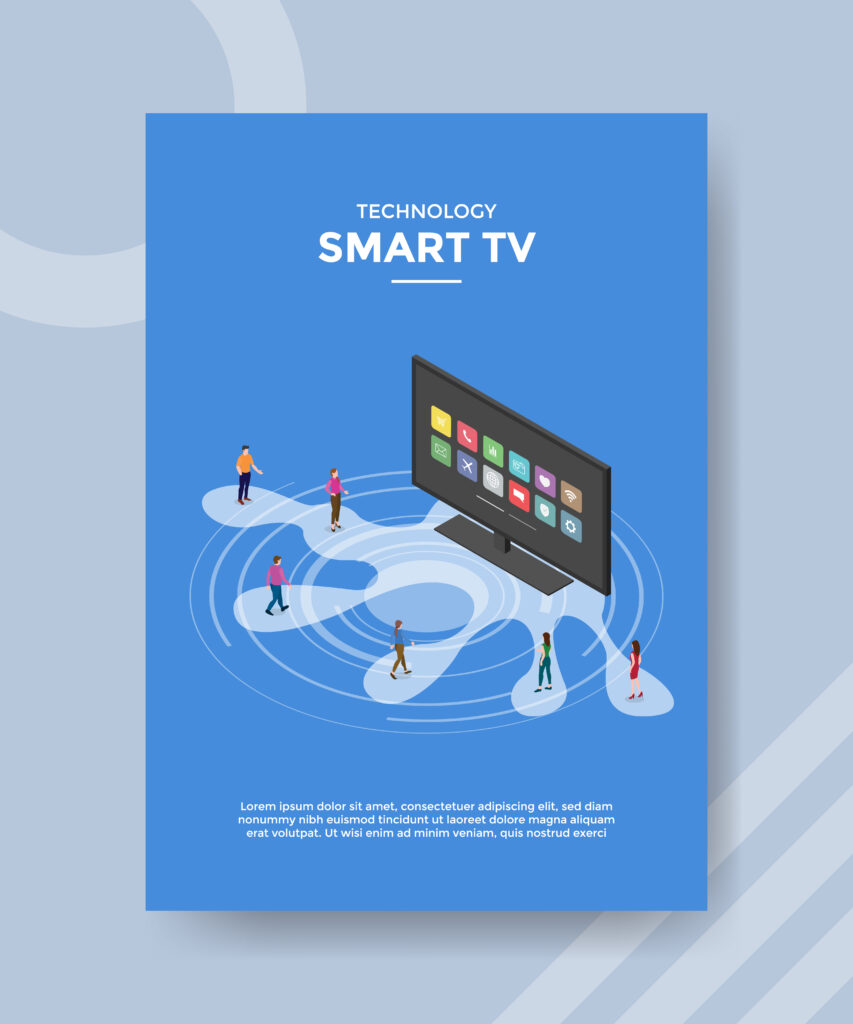
Accessing the Apple TV App: Across Devices and Platforms. Technology smart tv people standing front television for template flyer and print banner cover isometric 3d flat style vector design illustration.

In the ever-evolving landscape of streaming services, Apple TV has carved its niche as a premier destination for premium content. From blockbuster movies to exclusive series, it offers a diverse range of entertainment. What’s more, Apple has made it accessible across various devices and platforms, ensuring you can enjoy your favorite shows and movies virtually anywhere. In this blog, we’ll guide you through how to access the Apple TV app, making your streaming experience seamless and convenient.

Accessing the Apple TV App: Across Devices and Platforms

**1. Apple Devices: The Native Experience

Unsurprisingly, the most straightforward way to access the Apple TV app is through Apple’s own devices. This includes iPhones, iPads, Macs, and Apple TV.

  • On iPhone and iPad: The Apple TV app comes pre-installed on these devices. Just open the app and start browsing.
  • On Mac: Look for the Apple TV app in your Applications folder or use Spotlight Search to locate it. Sign in with your Apple ID, and you’re ready to roll.
  • On Apple TV: If you have an Apple TV device, the Apple TV app is right at home. Open it, sign in, and dive into the content.

**2. Smart TVs: A Wider Canvas

Many smart TV manufacturers have partnered with Apple to integrate the Apple TV app directly into their platforms. If you have a compatible smart TV, accessing the app is a breeze.

  • Open the App: Use your TV’s remote to navigate to the Apple TV app. If it’s not pre-installed, check your TV’s app store or download it.
  • Sign In: Sign in with your Apple ID, and you’ll have access to all the content available on the platform.

**3. Streaming Devices: Extending Compatibility

Beyond Apple devices and smart TVs, you can also access the Apple TV app on popular streaming devices like Roku and Amazon Fire TV.

  • Install the App: Go to your device’s app store (e.g., Roku Channel Store or Amazon Appstore) and search for the Apple TV app. Download and install it.
  • Login: Launch the app and sign in with your Apple ID.

**4. Web Browsing: Cross-Platform Streaming

Your Guide to Accessing the Apple TV App: Across Devices and Platforms
Remote control. Streaming media, home networking access idea. Integrated entertainment technology, internet television, show broadcasting. Vector isolated concept metaphor illustration

For those who prefer the versatility of web browsers, you can access the Apple TV app on your computer.

  • Open a Browser: Simply open your web browser (like Chrome, Firefox, or Safari).
  • Visit the Apple TV Website: Go to tv.apple.com.
  • Sign In: Sign in with your Apple ID, and you can start streaming directly from the website.

**5. Mobile Devices (Non-Apple): On the Go

Surprisingly, you don’t need an Apple device to access the Apple TV app on the go. It’s available on Android devices too.

  • Download the App: Visit the Google Play Store on your Android device. Search for “Apple TV” and download the official app.
  • Sign In: Open the app and sign in with your Apple ID.

**6. Game Consoles: For Gamers and Streamers

If you own a gaming console, you might be in luck. The Apple TV app is available on some popular ones like PlayStation and Xbox.

  • Access the Store: Go to your console’s app store (e.g., PlayStation Store or Xbox Store).
  • Download the App: Search for the Apple TV app and download it.
  • Sign In: Launch the app and sign in with your Apple ID.

**7. AirPlay: The Wireless Connection

For those with Apple devices and a non-Apple TV, you can use AirPlay to stream content from your device to your TV.

  • Ensure Compatibility: Make sure your TV and Apple device are connected to the same Wi-Fi network.
  • Connect: Swipe down on your Apple device to access the Control Center. Tap “Screen Mirroring” and select your TV to start streaming.

Now that you know how to access the Apple TV app across devices and platforms, you can dive into its extensive library of content, including original series, movies, and more. Enjoy the convenience of streaming your favorite shows whenever and wherever you choose. Happy streaming!

The AI Frontier: A Guide to the Best iPhone Apps

The AI Frontier: A Guide to the Best iPhone Apps


The AI Frontier: A Guide to the Best iPhone Apps

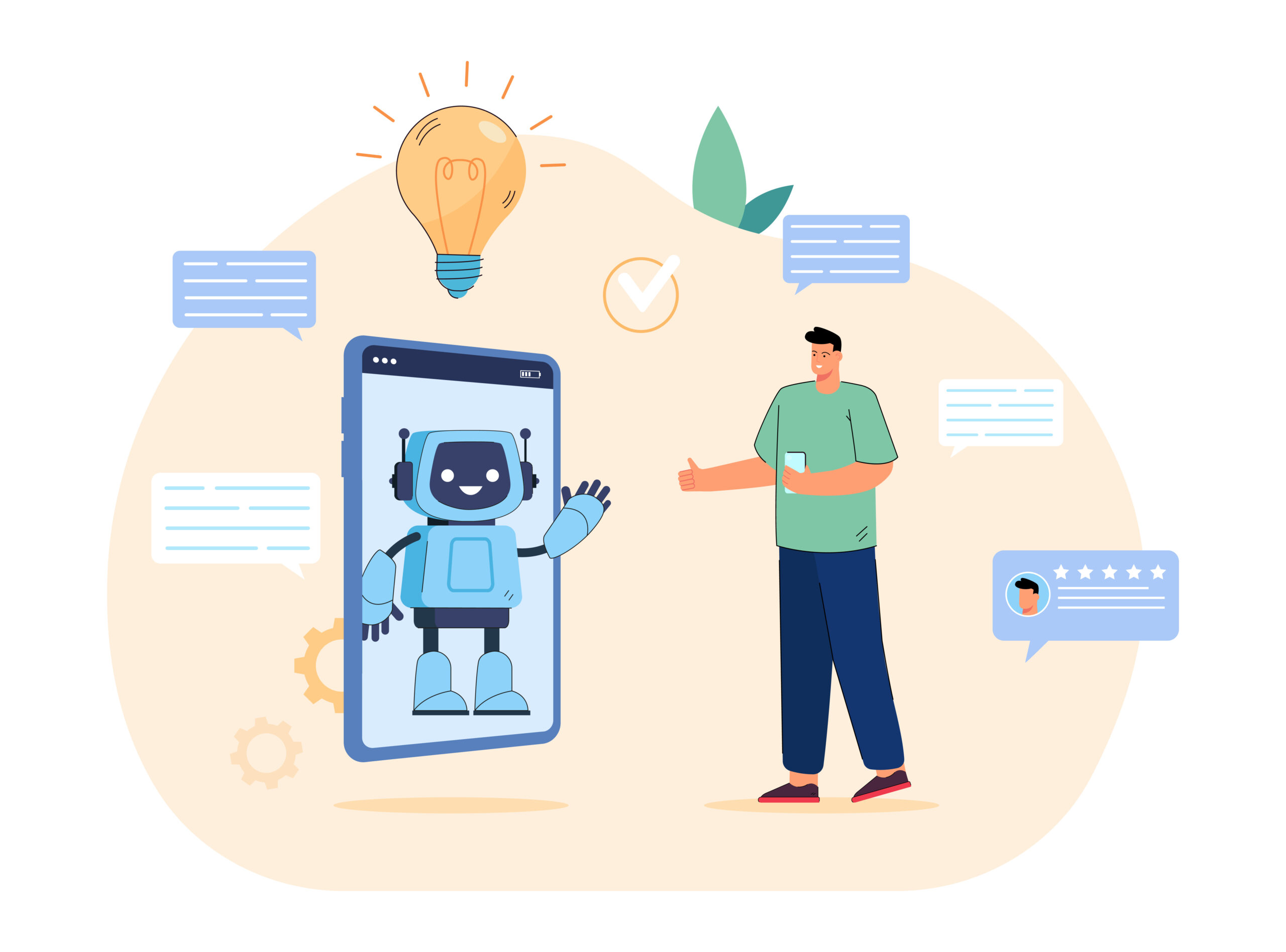
Conversation between chat bot on screen of phone and customer. Tiny man talking with cute robot in online messenger flat vector illustration. Chatbot, AI, virtual support in social media concept

In the ever-evolving landscape of technology, artificial intelligence has emerged as a powerful force, transforming the way we interact with our devices and the world around us. At the forefront of this revolution is the iPhone, a device that has seamlessly integrated AI into our daily lives through a plethora of innovative applications. In this blog, we embark on a journey to explore the AI frontier, guiding you through the best iPhone apps that are reshaping the future.

Siri: Your AI Sidekick

No discussion about AI on the iPhone is complete without mentioning Siri. Apple’s intelligent virtual assistant has come a long way since its inception. Siri can do more than just set alarms or send text messages. It can answer complex questions, provide recommendations, and even control smart home devices. With each iOS update, Siri becomes more intuitive, making it an indispensable part of your iPhone experience.

Google Assistant: A World of Information

For those who prefer the prowess of Google’s AI, the Google Assistant app is a must-have. It’s like having your own personal researcher at your beck and call. From answering trivia questions to helping you find the best route to your destination, Google Assistant leverages the vast knowledge of the internet to provide you with real-time information.

Replika: Your AI Conversationalist

Ever wished for a chat buddy who’s available 24/7? Enter Replike, an AI chatbot designed to engage in meaningful conversations. What sets Replike apart is its ability to learn from your interactions, becoming a personalized companion. Whether you want to vent, seek advice, or simply engage in small talk, Replika is there to listen and respond, making you feel heard and understood.

Otter.ai: Transcribing Made Easy

Best iPhone AI Apps

Meet Otter.ai, your AI-powered note-taking assistant. This app is a game-changer for professionals, students, and anyone who needs to transcribe audio recordings or meetings. It uses AI to convert spoken content into accurate written transcripts, complete with speaker identification and keyword highlighting. Say goodbye to manual transcriptions and hello to time saved.

Prisma: Transforming Photos into Art

Are you a photography enthusiast or just looking to add a creative twist to your pictures? Prisma is the AI app for you. It uses neural networks and artificial intelligence to turn your photos into stunning artworks inspired by famous artists. With a wide array of artistic styles to choose from, Prisma can breathe new life into your photo collection.

Evernote: Organize Your Thoughts

Evernote has been a productivity staple for years, and it’s now enhanced with AI capabilities. This app helps you organize your notes and documents effortlessly. Its AI-powered features can recognize handwritten text within images, making your handwritten notes searchable and easily retrievable. This is a game-changer for those who prefer the tactile experience of jotting down notes but still want the benefits of digital organization.

Hound: Voice-Powered Search

Hound is a voice-powered AI app that excels in fast and accurate voice recognition. It’s your go-to app when you need quick answers without typing a single word. Whether you’re looking for a nearby restaurant, calculating conversions, or getting the latest weather forecast, Hound can provide results faster than you can say, “Hey, Hound.”

Conclusion: Navigating the AI Frontier

As we navigate the AI frontier, it’s clear that our iPhones have become more than just communication devices; they are AI-powered companions that enhance our lives in numerous ways. From virtual assistants to creative photo editors and transcription tools, the best AI apps for iPhone are designed to simplify tasks, boost productivity, and make our daily interactions more enjoyable. So, embrace the future of AI on your iPhone and unlock the limitless possibilities it offers.

FAQs

1. What is an AI-powered app?

An AI-powered app is a mobile application that utilizes artificial intelligence technologies, such as machine learning and natural language processing, to provide enhanced features and functionalities. These apps can perform tasks, offer recommendations, and adapt to user behavior.

2. Which iPhone models support AI apps?

Most modern iPhone models, including the iPhone 6s and later, support AI apps. However, the performance and capabilities of AI apps may vary depending on the device’s processing power and available resources.

3. How does Siri differ from other AI apps?

Siri is Apple’s built-in virtual assistant, while other AI apps like Google Assistant or Replika are standalone applications. Siri is deeply integrated into the iOS ecosystem, enabling it to perform system-level tasks and interact with various apps seamlessly.

4. Are AI apps safe to use in terms of data privacy?

AI apps, especially those from reputable developers like Apple and Google, prioritize user data privacy and security. Always review an app’s privacy policy and permissions before installing it to ensure your data is protected.

5. Can I customize the responses of AI apps like Replika?

Yes, many AI apps, including Replika, allow users to customize their interactions. You can personalize your AI companion’s responses and even choose its personality traits to tailor the experience to your preferences.

Maximizing the FUT Web App: Elevating Your FIFA Experience

The FUT Web App is your secret weapon for a better FIFA Ultimate Team (FUT) experience. In this guide, we’ll explore its features and benefits to help you take your FIFA journey to the next level.

Maximizing the FUT Web App: Elevating Your FIFA Experience

What Is the FUT Web App?

Maximizing the FUT Web App: Elevating Your FIFA Experience . The FUT Web App is a web-based tool by Electronic Arts (EA) that complements FIFA. Manage your FUT squad, engage with the Transfer Market, and conquer Squad Building Challenges from your browser or mobile device.

Why Use the FUT Web App?

1. Game Anywhere

Access your FUT squad on-the-go. Commute, work breaks, or home, your FIFA team is just a click away.

2. Master the Market

The FUT Web App empowers you in the Transfer Market. Scout players, bid strategically, and make deals without your console.

Getting Started with the FUT Web App

Maximizing the FUT Web App: Elevating Your FIFA Experience

1. Visit the Official FUT Web App

Navigate to the official FUT Web App website.

2. Log In to Your EA Account

Use your EA account to log in or create a new one.

3. Security Verification

Complete a security verification step.

4. Explore Your Squad

Once logged in, access your FUT squad and all FUT Web App features.

Features of the FUT Web App

1. Squad Management

Organize your squad, make tactical changes, and boost your team’s performance.

2. Transfer Market Expertise

Master the Transfer Market, scout players, monitor trends, and execute transactions with ease.

3. SBC Adventures

Participate in Squad Building Challenges (SBCs) for rewards and squad improvement.

4. Objective Pursuits

Complete daily and weekly objectives for coins, packs, and unique player items.

Pro Tips for the FUT Web App

1. Stay Consistent

Log in regularly to stay updated on market changes.

2. Embrace SBCs

Engage in Squad Building Challenges to bolster your squad.

3. Stay Informed

Keep up with FIFA news for informed market decisions.

4. Master Trading

Experiment with trading strategies to grow your coin balance.

5. Connect with the Community

Engage with fellow FIFA fans for insights and strategies.

In Conclusion

The FUT Web App is your FIFA gaming companion. Its accessibility, market prowess, and squad management capabilities make it a must-have. Log in now and elevate your FIFA journey with the FUT Web App.


Top FAQs: Answering Common Questions

Q1: What is the FUT Web App?

The FUT Web App is a companion web application for FIFA Ultimate Team, allowing players to manage their squads, trade players, complete Squad Building Challenges (SBCs), and more from a web browser or mobile device.

Q2: Is the FUT Web App free to use?

A2: Yes, the FUT Web App is typically free to use. However, you will need a copy of FIFA 22 or the latest FIFA title to access and use the FUT mode in the game.

Q3: When is the FUT Web App usually released?

A3: The release date for the FUT Web App can vary from year to year, but it typically becomes available a few days before the official release of the latest FIFA game.

Q4: What can I do with the FUT Web App?

A4: With the FUT Web App, you can manage your FUT squad, open and manage packs, buy and sell players on the transfer market, complete SBCs, and keep track of your progress in the game mode.

Q5: Can I access my FUT progress on both the Web App and my console?

A5: Yes, your progress and squad in FUT are synchronized between the FUT Web App and your console or PC, allowing you to switch between platforms seamlessly.

Q6: Are there any security precautions I should take when using the FUT Web App?

A6: Yes, it’s important to enable two-factor authentication (2FA) on your EA account for added security. Be cautious of phishing attempts, and never share your login credentials with anyone.

How to Upgrade iPhone Storage: A Comprehensive Guide

How to Upgrade iPhone Storage

Introduction

In today’s digital age, our smartphones have become an extension of ourselves, holding our precious memories, essential apps, and important documents. However, with an ever-expanding digital footprint, running out of storage on your iPhone is an all-too-familiar problem. But fret not! In this article, we will explore the ins and outs of upgrading your iPhone’s storage capacity. Whether you’re a photography enthusiast or simply looking to optimize your device, we’ve got you covered.

1. Understanding iPhone Storage

In this section, we’ll delve into the nitty-gritty of iPhone storage. We’ll explain the difference between available and used storage and why managing it is crucial.

Your iPhone storage is like a treasure chest. Knowing how to manage it effectively is the key to a smoother user experience.

2. How to Check Your Current Storage

Learn how to check your iPhone’s storage status and identify which apps and files are taking up the most space. We’ll also discuss the importance of this step in optimizing your device.

3. Cleaning up Your iPhone

Discover effective strategies to declutter your iPhone .How to Upgrade iPhone Storage. From deleting unused apps to removing large files, we’ll guide you through the process of reclaiming valuable space.

4. The Power of iCloud

This section explores how iCloud can be your best friend when it comes to expanding your iPhone’s storage. We’ll provide step-by-step instructions on how to set up and use iCloud effectively.

5. External Storage Options

How to Upgrade iPhone Storage. Are you looking for more storage without breaking the bank? We’ve got you covered with a discussion of external storage solutions and how to use them seamlessly with your iPhone.

6. Managing Photos and Videos

For photography enthusiasts, managing photos and videos can be a storage challenge. Learn how to organize, optimize, and backup your visual treasures without losing quality.

7. How to Upgrade iPhone Storage ?

How to Upgrade iPhone Storage: A Comprehensive Guide
  1. Use iCloud Storage: Purchase a higher iCloud storage plan for cloud-based storage.
  2. Delete Unused Apps: Remove apps you no longer need to free up space.
  3. Clear Cached Data: Clear app cache and browser data in settings.
  4. Optimize Photos: Enable “Optimize iPhone Storage” in Settings > Photos.
  5. Transfer to External Storage: Use external devices designed for iOS.
  6. Upgrade to Higher Capacity iPhone: Consider buying a phone with more storage.
  7. Stream Content: Use streaming services to reduce local storage usage.
  8. Regularly Delete Old Files: Periodically review and delete unnecessary files.

This is the section you’ve been waiting for. We’ll walk you through the process of physically upgrading your iPhone’s storage capacity, including compatible devices and expert tips.

FAQs

Can I upgrade the storage on older iPhone models?

Yes, you can upgrade the storage on older iPhone models through various methods, including external storage options and efficient data management.

Is it safe to use external storage devices with my iPhone?

Absolutely! Using reputable external storage devices is safe and can significantly expand your iPhone’s storage capacity.

How do I back up my iPhone before upgrading the storage?

We recommend using iCloud or iTunes to create a backup of your iPhone before attempting any storage upgrades.

Will upgrading my iPhone’s storage void its warranty?

No, upgrading your iPhone’s storage following the manufacturer’s guidelines will not void your warranty. However, unauthorized modifications may have consequences.

Can I upgrade iPhone storage on my own, or should I seek professional help?

While it’s possible to upgrade iPhone storage on your own, we recommend consulting a professional or following official guidelines to avoid any complications.

What precautions should I take before upgrading my iPhone’s storage?

Before upgrading your iPhone’s storage, ensure you have backed up your data, and follow the manufacturer’s instructions carefully to prevent any issues.

Conclusion

Upgrading your iPhone’s storage doesn’t have to be a daunting task. Armed with the knowledge and tips provided in this guide, you can easily optimize your device’s performance and make room for more memories and apps. Remember, a little spring cleaning and some tech-savvy choices can go a long way in enhancing your iPhone experience.

How AI Tools are Transforming the Landscape of Software Development

How AI Tools are Transforming the Landscape of Software Development

1. Introduction:  AI Tools of Software Development

The opening section sets the stage, highlighting the significance of AI tools in the software development ecosystem. It discusses the historical context and introduces key concepts.

2. Streamlining the Development Process**

How AI Tools are Transforming the Landscape of Software Development. This section delves into how AI streamlines various stages of software development, including:

– **Code Generation**: Explore how AI-assisted code generation tools, like GPT-3, are automating the coding process, reducing development time, and minimizing errors.

– **Testing and Debugging**: Discuss AI-driven testing tools that identify and fix bugs with greater accuracy and speed.

– **Project Management**: Explore AI-enhanced project management solutions that improve resource allocation, predict potential bottlenecks, and optimize workflows.

3. Enhancing User Experience**

AI is not limited to the backend; it’s also enhancing the user experience. This section discusses:

– **Personalization**: How AI algorithms tailor user experiences based on individual preferences, making applications more engaging and user-friendly.

– **Chatbots and Virtual Assistants**: The role of AI-powered chatbots and virtual assistants in providing real-time support and improving customer interaction.

4. Harnessing Data for Insights**

AI tools excel in processing and analyzing vast datasets. In this section, discuss:

– **Data Analytics**: How AI-driven analytics tools help developers gain insights from data, leading to data-driven decision-making.

– **Predictive Analytics**: Explore predictive analytics models that assist in anticipating user behavior and adapting software accordingly.

5. Security and Ethical Considerations**

AI in software development also brings forth security and ethical concerns. Discuss:

– **Cybersecurity**: The role of AI in identifying and mitigating cybersecurity threats.

– **Ethical AI**: Address the ethical implications and potential biases in AI algorithms and their impact on software development.

6. The Future of AI in Software Development*

How AI Tools are Transforming the Landscape of Software Development

Peek into the future, discussing emerging trends such as AI-driven autonomous coding and the possibilities of AI-generated software.

7. Case Studies and Real-World Examples**

Provide real-world case studies showcasing the success stories of companies leveraging AI in software development.

8. Conclusion: Embracing the AI-Driven Future**

Sum up the key takeaways and emphasize the importance of embracing AI tools in modern software development.

9. Additional Resources and Further Reading**

Offer readers a list of resources for further exploration of AI in software development.

**Frequently Asked Questions (FAQs)**

**Q1: What are AI tools in software development?**

A1: AI tools in software development are software applications and platforms that leverage artificial intelligence and machine learning algorithms to automate and enhance various aspects of the software development process, including coding, testing, data analysis, and more.

**Q2: How do AI-powered code generation tools work?**

A2: AI-powered code generation tools analyze natural language descriptions or code snippets and generate code based on patterns and context. These tools use machine learning models to understand the developer’s intent and produce code that matches that intent.

**Q3: Are AI tools suitable for all types of software development projects?**

A3: AI tools can benefit a wide range of software development projects, from web and mobile apps to data analysis and machine learning projects. However, their suitability depends on the specific requirements and goals of the project.

**Q4: Can AI tools replace human developers?**

A4: No, AI tools are not intended to replace human developers. Instead, they complement human developers by automating repetitive tasks, improving productivity, and reducing errors. Human creativity, problem-solving skills, and critical thinking remain essential in software development.

**Q5: Are there ethical concerns related to AI in software development?**

A5: Yes, ethical concerns include issues like bias in AI algorithms, data privacy, and the responsible use of AI. Developers should be aware of these concerns and take steps to mitigate them when using AI tools in software development.

**Q6: How do AI-driven analytics tools benefit software development?**

A6: AI-driven analytics tools help software developers gain valuable insights from large datasets. They can identify trends, user behavior patterns, and potential issues, which can inform decision-making, feature prioritization, and product improvements.

**Q7: What are some notable AI-powered chatbots and virtual assistants in software development?**

A7: Examples include chatbots like Dialog flow and virtual assistants like Amazon Lex. These tools can be integrated into applications to provide automated customer support and enhance user interactions.

**Q8: What does the future hold for AI in software development?**

A8: The future of AI in software development looks promising, with trends such as autonomous coding, AI-driven testing, and even AI-generated software on the horizon. As AI technology continues to advance, its role in software development will likely expand.

The Future of Gaming: Humans vs. AI in Competition

The Future of Gaming: Humans vs. AI in Competition

Table of Contents

  1. Introduction
  2. The Rise of AI in Gaming
    2.1 Advantages of AI-Powered Gaming
    2.2 The Challenge of Emulating Human Intelligence
  3. The Ethical Dimension
    3.1 Ensuring Fair Competition
  4. The Future Awaits
  5. Conclusion

1. Introduction : The Future of Gaming

The Future of Gaming: Humans vs. AI in Competition. The gaming industry is in the midst of a profound transformation, driven by the integration of artificial intelligence (AI). In this blog post, we will embark on a journey into the world of human versus AI gaming, exploring the potential, challenges, and prospects of this dynamic intersection.


2. The Rise of AI in Gaming

2.1 Advantages of AI-Powered Gaming

The Future of Gaming: Humans vs. AI in Competition. The infusion of AI into gaming has ushered in a new era of competition, bringing with it a range of advantages.

Accessibility: AI opponents offer gaming experiences that are accessible at any time and place, eliminating the need for human adversaries. This accessibility caters to solo gamers and those seeking quick gaming fixes.

Consistency: AI opponents provide a consistent level of challenge, making them invaluable training tools for skill improvement. Unlike human opponents, AI opponents do not tire or make mistakes out of exhaustion.

2.2 The Challenge of Emulating Human Intelligence

While AI excels in rule-based games such as chess, it grapples with the complexities of emulating human intelligence in open-ended games.

Examples of Games Where AI Struggles

  • Poker: The psychological intricacies of poker challenge AI’s logic, as it must navigate unpredictable human behavior.
  • Open-world RPGs: AI often struggles to adapt to the vast array of unique player choices in open-world role-playing games.

3. The Ethical Dimension

The integration of AI into gaming raises important ethical questions that deserve attention and debate within the gaming community.

3.1 Ensuring Fair Competition

The Future of Gaming: Humans vs. AI in Competition with AI’s ability to optimize strategies instantaneously, ensuring fair competition between human players and AI becomes a pressing concern. Should AI be restricted or handicapped to level the playing field? Striking the right balance is crucial for the future of AI in gaming.


4. The Future Awaits

The future of gaming holds immense promise, fueled by ongoing advancements in AI technology.

Diverse Gaming Experiences Await

  • Quick Solo Challenges: AI-powered opponents provide immediate gaming gratification for solo players on the go.
  • Endless Training: Gamers can hone their skills against tireless AI adversaries, perfecting their strategies.
  • AI-Generated Content: Exploring uncharted dimensions of AI-generated game content promises unique and immersive experiences.

5. Conclusion

The Future of Gaming: Humans vs. AI in Competition. In conclusion, the integration of human and AI competition in gaming is reshaping the industry in unprecedented ways. AI brings accessibility and consistency to the gaming arena, offering a myriad of advantages. Ethical considerations regarding AI’s role in gaming present opportunities for meaningful discussions within the gaming community.

The Future of Gaming: Humans vs. AI in Competition. As we journey forward, the future of gaming stands as a thrilling blend of human creativity and artificial intelligence, offering diverse and innovative gaming experiences for players worldwide. This exploration of “The Future of Gaming: Humans vs. AI in Competition” underscores the pivotal role that AI is playing in shaping the gaming landscape, emphasizing the advantages, challenges, and ethical dimensions of this transformative evolution.

AI Characters: Your New Digital Companions.

AI Characters: Your New Digital Companions. Artificial intelligence (AI) has made tremendous strides in recent years, revolutionizing the way we interact with technology. One exciting development in this field is the emergence of AI characters, virtual entities designed to be your digital companions. In this blog post, we’ll explore what AI characters are, how they work, and the various domains where you can encounter them.

What Are AI Characters: Your New Digital Companions ?

AI characters, or artificial intelligence characters, are digital personas brought to life through complex algorithms and machine learning techniques. These virtual companions are created to mimic human-like interactions, enriching our digital experiences by providing engaging conversations, assistance, and entertainment.

How Do AI Characters Work?

AI Characters: Your New Digital Companions

The functionality of AI characters is rooted in cutting-edge technology, including natural language processing (NLP) and machine learning. Here’s how they work:

  • Understanding Language: AI characters can comprehend and interpret natural language, allowing them to understand user queries, commands, and statements.
  • Contextual Responses: They have the ability to contextualize information, ensuring that their responses are relevant and coherent within a conversation.
  • Generating Responses: Based on their training data and algorithms, AI characters craft responses that simulate human-like interactions, including emotional expressions.
  • Learning and Adapting: AI characters learn and adapt from user interactions, improving their conversational abilities and becoming more effective digital companions over time.

Where Can You Encounter AI Characters?

AI characters have found their way into various domains, enhancing user experiences in a multitude of ways:

1. Video Games:

AI Characters: Your New Digital Companions

In the gaming world, AI characters are often referred to as Non-Player Characters (NPCs). Unlike static NPCs, AI characters can exhibit dynamic behavior, responding to the player’s actions and creating a more immersive gaming environment. AI Characters: Your New Digital Companions.

2. Virtual Assistants:

AI Characters: Your New Digital Companions. Popular virtual assistants like Siri, Alexa, and Google Assistant employ AI characters to interact with users. These digital companions can answer questions, set reminders, control smart devices, and more.

3. Customer Service Chatbots:

AI Characters: Your New Digital Companions. Many businesses use AI characters in the form of chatbots to streamline customer support and handle inquiries efficiently. These chatbots provide immediate assistance and gather relevant information from users.

4. Interactive Storytelling Apps:

AI characters are making their way into storytelling apps, where they take on various roles within narratives. Users can interact with these characters, making choices that influence the story’s progression.

5. Educational Applications:

AI Characters: Your New Digital Companions. In the education sector, AI characters act as virtual tutors and learning companions. They assist students in understanding complex subjects and provide personalized guidance.

Emotional Intelligence in AI Characters

One of the remarkable aspects of AI characters is their emotional intelligence. These digital companions can express a wide range of emotions, including happiness, frustration, empathy, and humor.AI Characters: Your New Digital Companion. This emotional depth enhances user engagement and fosters more meaningful interactions.

The Evolving Landscape of AI Characters

The technology behind AI characters is constantly evolving. Developers are focused on improving several key areas:

1. Natural Language Processing (NLP):

Advancements in NLP technology enable AI characters to better understand and respond to natural language, making interactions more fluid and intuitive.

2. Emotional Intelligence:

AI characters are becoming increasingly emotionally intelligent, allowing for more nuanced and empathetic interactions with users.

3. Contextual Understanding:

Developers are working on enhancing AI characters’ ability to understand context within conversations, ensuring responses are accurate and context-appropriate.

4. Personalization:

The future holds AI characters that can provide more personalized experiences, tailoring their responses and behavior to individual users.

Ethical Considerations in the World of AI Characters

As AI characters become more integrated into our digital lives, ethical concerns emerge. It’s crucial to address these concerns:

1. Data Privacy:

AI characters collect data from interactions. Protecting this data and ensuring user privacy is paramount.

2. Bias and Fairness:

Bias in AI algorithms can lead to unfair or discriminatory behavior. Developers must strive to eliminate bias in AI character responses.

3. Manipulation and Deception:

Developers must be cautious not to manipulate or deceive users, striking a balance between enhancing the user experience and respecting user autonomy.

4. Transparency:

Users should be aware when they’re interacting with AI characters and not humans. Transparency in design and communication is essential. AI Characters: Your New Digital Companions.

Can AI Characters Replace Human Interaction?

AI characters can provide companionship, entertainment, and assistance, but they cannot fully replace genuine human interactions. AI Characters: Your New Digital Companions. They are designed to complement human connections, offering a unique digital experience. In situations where human interaction is essential, AI characters can serve as valuable intermediaries or assistants.

Conclusion

AI characters are rapidly becoming integral to our digital lives, enriching our experiences in various domains. As technology continues to advance, these digital companions will become even more lifelike and emotionally intelligent, further enhancing our digital interactions. Embrace the future of digital companionship with AI characters – they’re here to stay.

AI Characters: Your New Digital Companions

In this evolving landscape, AI characters are poised to play a significant role in how we engage with technology. As you encounter these digital companions in various aspects of your digital life, remember that they are designed to enhance and enrich your experiences, making your interactions more engaging and enjoyable than ever before.

How to Use ChatGPT API: A Comprehensive Guide

Chat-Gpt

Introduction

How to Use ChatGPT APP . In the ever-evolving world of technology, application programming interfaces (APIs) have become indispensable tools for developers. They allow for seamless integration of various services and functionalities into applications, opening up a world of possibilities. One such API that has gained immense popularity is the ChatGPT API. In this article, we will walk you through the process of using the ChatGPT API effectively.

Understanding the Basics

What is the ChatGPT API?

The ChatGPT API is a powerful tool offered by OpenAI that allows developers to integrate ChatGPT, a sophisticated language model, into their applications, products, or services. This API enables you to harness the capabilities of ChatGPT, such as natural language understanding and generation, to enhance user experiences.

How to Use ChatGPT API

Before diving into the nitty-gritty details, you need to take a few essential steps to set up and start using the ChatGPT API.

Step 1: Obtain API Access

To access the ChatGPT API, you must first sign up for an API key from OpenAI. This key serves as your gateway to unlock the full potential of ChatGPT within your applications.

Step 2: Installation

Once you have your API key, you’ll need to integrate it into your development environment. OpenAI provides comprehensive documentation to help you with the installation process.

https://www.youtube.com/watch?v=uRQH2CFvedY&pp=ygUWSG93IHRvIFVzZSBDaGF0R1BUIEFQSQ%3D%3D

Making API Requests

Now that you have everything set up, let’s explore how to make requests to the ChatGPT API.

Sending a Prompt

To interact with ChatGPT, you send a series of messages as prompts to the API. Each message consists of a ‘role’ and ‘content.’

How to Use ChatGPT API
Close view of a man with opened AI chat on laptop

Handling Responses

The API responds with a model-generated message that you can extract and display in your application. You can continue the conversation by extending the list of messages in the prompt.

Best Practices

To make the most of the ChatGPT API, consider the following best practices:

1. Clear and Specific Prompts

Ensure that your prompts are concise and clearly state what you want from ChatGPT. This will take you to more accurate and helpful responses.

2. System Messages

Include system messages to set the behavior of the assistant. For example, you can instruct it to speak like Shakespeare for a unique user experience.

3. Message Ordering

The order of messages matters. The assistant responds to the last message in the list, so structure your prompts accordingly.

Advanced Usage

As you become more familiar with the ChatGPT API, you can explore advanced features like temperature and max tokens to fine-tune the responses to your specific needs.

Conclusion

The ChatGPT API offers endless possibilities for enhancing your applications and services with natural language processing capabilities. By following the steps outlined in this guide and adhering to best practices, you can leverage ChatGPT to create more engaging and interactive user experiences.

FAQs

Q1: Is the ChatGPT API free to use?

No, the ChatGPT API is not free. You can refer to OpenAI’s pricing page for detailed information on the costs associated with using the API.

Q2: Can I use ChatGPT in multiple programming languages?

Yes, you can use the ChatGPT API in various programming languages as long as you can make HTTP requests. OpenAI provides client libraries and examples for popular languages like Python.

Q3: Are there any limitations on API usage?

Yes, there are rate limits and usage limits imposed on the ChatGPT API. These limits vary depending on your subscription tier.

Q4: Can I use the ChatGPT API for commercial applications?

Yes, the ChatGPT API is available for both commercial and non-commercial use. OpenAI encourages developers to explore its potential for a wide range of applications.

Q5: Where can I find more resources and documentation?

You can find comprehensive documentation, tutorials, and developer resources on the OpenAI website to help you get started with the ChatGPT API.

Behind the Scenes of ChatGPT: Understanding the Architecture

Introduction

In the world of artificial intelligence and natural language processing, ChatGPT has emerged as a revolutionary tool. But what goes on behind the scenes to make ChatGPT’s interactions with users so seamless and intelligent? In this article, we’ll take a deep dive into the architecture of ChatGPT, shedding light on the technology that powers this remarkable AI.

The Evolution of ChatGPT

Before delving into the architecture, let’s briefly touch upon the evolution of ChatGPT. It all started with the development of GPT-3, the third iteration of the Generative Pre-trained Transformer by OpenAI. GPT-3 was already an impressive language model, but it takes it a step further by fine-tuning it specifically for natural, human-like conversations.

H1: Transformers at the Core

At the heart of it’s architecture lies the Transformer model. Transformers are deep learning models that have gained immense popularity in recent years due to their ability to handle sequential data effectively. It leverages Transformers to process and generate text in a conversational manner.

H2: Pre-training and Fine-tuning

To make ChatGPT’s interactions more contextually aware, it undergoes a two-step process: pre-training and fine-tuning. During pre-training, the model learns from a massive dataset containing text from the internet. This helps it grasp grammar, facts, and some reasoning abilities.

H3: Fine-tuning for Conversations

Fine-tuning, however, is where the magic happens. OpenAI uses reinforcement learning from human feedback (RLHF) to train it. Human AI trainers engage in conversations with the model and provide feedback, helping it learn to respond appropriately to a wide range of user inputs.

H4: Scaling to ChatGPT-4

OpenAI continually refines it’s architecture. As of my last knowledge update in September 2021, ChatGPT had evolved to ChatGPT-3. But it’s safe to assume that OpenAI has made significant progress since then, possibly even introducing ChatGPT-4 or beyond.

ChatGPT

The Architecture in Action

Now that we understand the basics of it’s architecture, let’s see it in action. When you send a query or prompt to ChatGPT, it goes through a multi-step process:

  1. Input Encoding: Your text input is tokenized and encoded into a numerical format that the model can understand.
  2. Contextual Understanding: It uses its pre-trained knowledge to understand the context of your query. It remembers the conversation history to maintain context.
  3. Response Generation: Based on its understanding of the context, it generates a response. It takes into account grammar, coherence, and relevance.
  4. Output Decoding: The model’s response is decoded from numerical format back into natural language, and you receive it as text.

How ChatGPT Learns to be Human-like

One of the remarkable aspects of it is its ability to mimic human conversation. Here’s how it achieves this:

  • Diverse Training Data: During pre-training, it is exposed to a wide variety of internet text, including informal conversations, news articles, and more. This diversity helps it adapt to different communication styles.
  • Feedback Loop: Fine-tuning with RLHF introduces a feedback loop that continuously refines it’s responses based on user feedback. This iterative process makes it increasingly human-like over time.

Conclusion

Understanding the architecture behind it reveals the intricate technology that powers this AI marvel. With Transformers, pre-training, fine-tuning, and a feedback loop, it transforms text input into meaningful, context-aware responses, making it an invaluable tool in the realm of natural language processing.


Frequently Asked Questions (FAQs)

  1. Is ChatGPT constantly learning and improving?
    • Yes, it undergoes continuous improvement through fine-tuning based on user feedback.
  2. How does it handle different languages?
    • It is capable of understanding and generating text in multiple languages, but its proficiency varies by language.
  3. Can it generate code or perform specific tasks?
    • Yes, it can generate code, answer questions, write content, and perform various text-based tasks.
  4. Is it aware of its own existence?
    • No, it lacks self-awareness and operates solely based on its training data and algorithms.
  5. Where can I access ChatGPT for personal or business use?
    • You can access it by visiting https://chat.openai.com/ to explore its capabilities and integrate it into your applications or workflows.