Telemedicine, a revolutionary approach to healthcare delivery, has seen remarkable growth and transformation over the years. As technology continues to evolve, the landscape of telemedicine app development is poised for significant advancements. The future holds a promising array of trends that will reshape how healthcare is accessed, delivered, and experienced.
The Future Trends
In the quest for enhanced healthcare accessibility and efficiency, the integration of cutting-edge technologies like artificial intelligence, machine learning, and virtual reality will play pivotal roles. These innovations will not only elevate the user experience but also enable personalized healthcare solutions, offering tailored treatment plans and remote patient monitoring.
However, amidst these advancements, security and privacy concerns loom large. Ensuring robust data security measures and compliance with stringent regulations will be paramount to gaining and maintaining user trust in telemedicine applications.
Moreover, the future of telemedicine extends beyond technological advancements. It embraces inclusivity, bridging healthcare disparities globally and fostering collaborations between telemedicine platforms and traditional healthcare systems. Specialized fields like mental health and dermatology will witness a surge in telemedicine adoption, offering specialized care to patients.
User interface innovations will make telemedicine apps more intuitive, simplifying the patient-doctor interaction. These developments will not only reduce healthcare costs but also optimize resources, making healthcare more accessible and affordable.
The COVID-19 pandemic acted as a catalyst for telemedicine adoption, emphasizing its crucial role in pandemic preparedness. The lessons learned during this crisis will shape the future of telemedicine, influencing regulatory changes, and encouraging the education and training of healthcare professionals in telemedicine practices.
Ultimately, the success of telemedicine hinges on widespread consumer adoption and behavioral shifts. As patient attitudes evolve and barriers diminish, the future promises a healthcare landscape where telemedicine is an integral part of routine medical care.
In conclusion, the future trends in telemedicine app development are poised to revolutionize healthcare delivery, focusing on technology integration, personalized care, security, inclusivity, and consumer adoption.
FAQs
What makes telemedicine apps the future of healthcare? Telemedicine apps integrate technology for personalized care, accessibility, and cost-efficiency, making healthcare more convenient and inclusive.
Are telemedicine apps secure for sharing sensitive medical information? Top telemedicine apps prioritize robust security measures and comply with stringent regulations to ensure the confidentiality of patient data.
How will telemedicine impact specialized healthcare fields like mental health? Telemedicine will enhance access to specialized care, enabling remote consultations and tailored treatment plans for mental health and other specialized fields.
Will telemedicine replace traditional in-person doctor visits entirely? While telemedicine offers convenience, it complements rather than entirely replaces in-person visits, particularly for certain medical examinations and procedures.
What role does user experience play in the success of telemedicine apps? A user-friendly interface and seamless patient-doctor interaction are crucial for the widespread adoption and success of telemedicine apps.
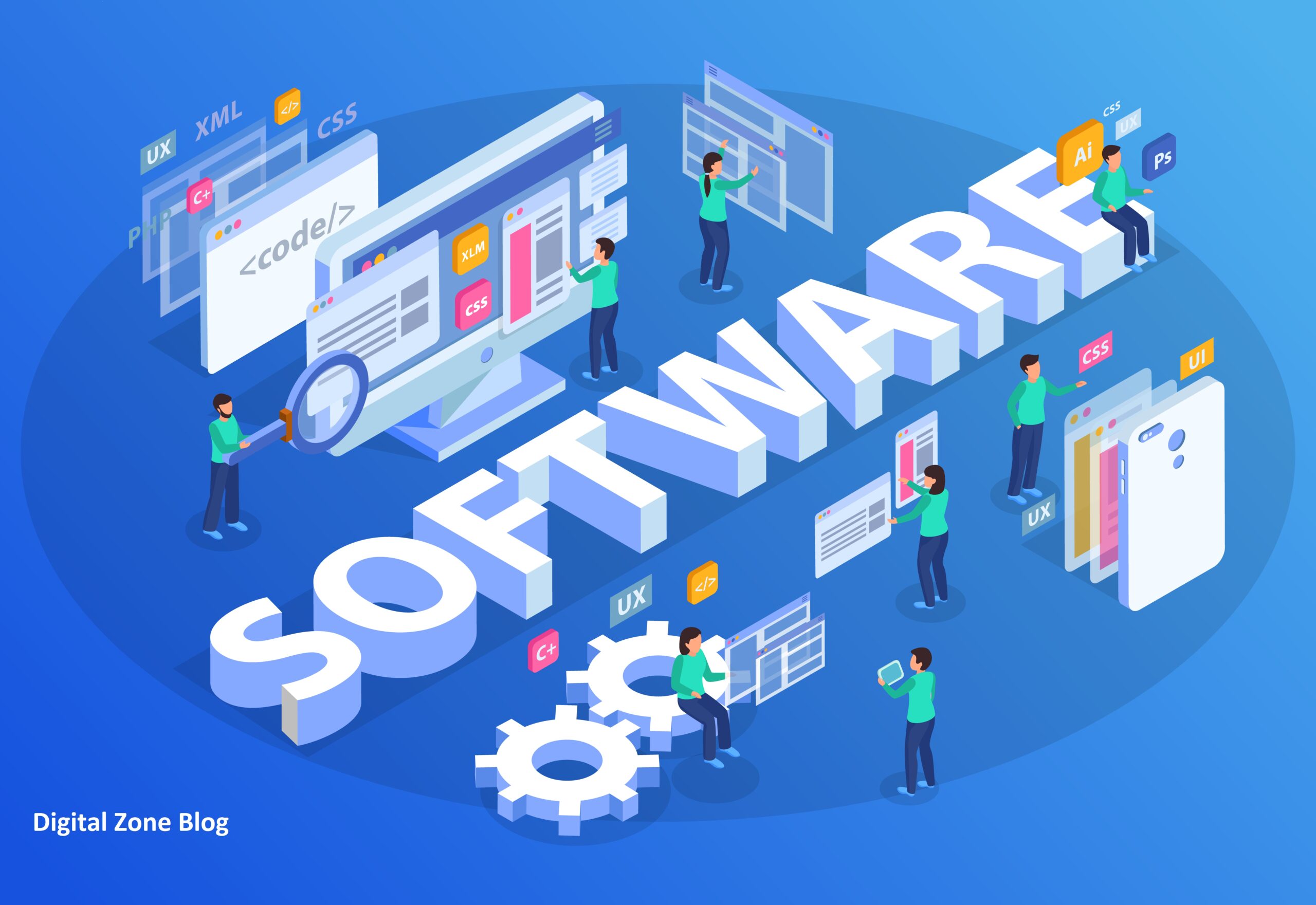
Software development models play a pivotal role in shaping how software is designed, built, and deployed. They serve as roadmaps guiding the entire development process, impacting project timelines, resource allocation, and overall success. This critical analysis aims to unravel the pros and cons of various software development models, aiding professionals in making informed choices when selecting the most suitable approach.
Introduction to Software Development Models
Understanding the significance of software development models is crucial in the realm of technology. These models delineate methodologies, sequences, and procedures governing the development life cycle. Whether it’s about the Waterfall, Agile, Iterative, Spiral, V-Model, or newer hybrid approaches, each model offers distinct advantages and drawbacks.
Waterfall Model
The Waterfall model, a linear and sequential approach, involves phases progressing in a cascading manner. It begins with requirements gathering and proceeds through design, implementation, testing, and maintenance. Its structured nature provides clarity but lacks flexibility, often leading to difficulties in accommodating changes mid-project.
Agile Methodology
Agile, an iterative and adaptive approach, promotes flexibility, collaboration, and customer involvement. Its incremental cycles allow for constant feedback, enabling rapid adjustments. However, this flexibility might pose challenges in managing larger projects and necessitates high levels of client involvement.
Iterative Model
The Iterative model involves repeated cycles of development, refining the product through successive iterations. It fosters continuous improvement but may extend project timelines and requires vigilant monitoring to avoid scope creep.
Spiral Model
The Spiral model combines iterative development with elements of the Waterfall model, emphasizing risk assessment and mitigation. Its flexibility in handling unforeseen issues is an asset, yet its complexity demands skilled management.
V-Model
The V-Model corresponds each development phase with a testing phase, ensuring thorough validation. While it enhances the reliability of the final product, any changes in requirements during the process could be challenging to accommodate.
Comparison of Models
Contrasting these models reveals the trade-offs between structure and flexibility, predictability and adaptability. Factors like project size, complexity, client engagement, and industry standards significantly influence the choice of a model.
Hybrid Models
Hybrid models, combining aspects of various methodologies, attempt to leverage the strengths while mitigating the weaknesses of individual models. However, integrating different approaches demands a deep understanding of each, posing challenges in execution.
Real-World Applications
In real-world scenarios, the choice of model greatly impacts project success. Examples range from large-scale software systems in industries like healthcare, finance, and aerospace, showcasing both triumphs and failures associated with different models.
Future Trends
Emerging trends suggest a shift towards more adaptive and collaborative models, driven by advancements in technology and evolving consumer demands. This evolution is likely to shape the future landscape of software development.
Conclusion
In conclusion, each software development model comes with its set of advantages and limitations. Choosing the right model demands a comprehensive understanding of project requirements, team dynamics, and industry standards. While there’s no one-size-fits-all approach, informed decisions considering the project’s context remain paramount.
FAQs
Which software development model is the best? The “best” model depends on the project’s nature, size, and requirements. Each model has its strengths and weaknesses.
How do I choose the right model for my project? Evaluate project specifics, team expertise, client involvement, and flexibility needs to align with the suitable model.
Are hybrid models more effective than singular methodologies? Hybrid models attempt to combine strengths, but their success depends on how well integrated and managed they are.
What role does client involvement play in software development models? Models like Agile emphasize client involvement, while others like Waterfall may require less frequent interaction.
What impact do software development models have on project timelines? Models like Agile often shorten timelines due to iterative development, while more structured models like Waterfall might have longer timelines but clearer milestones.
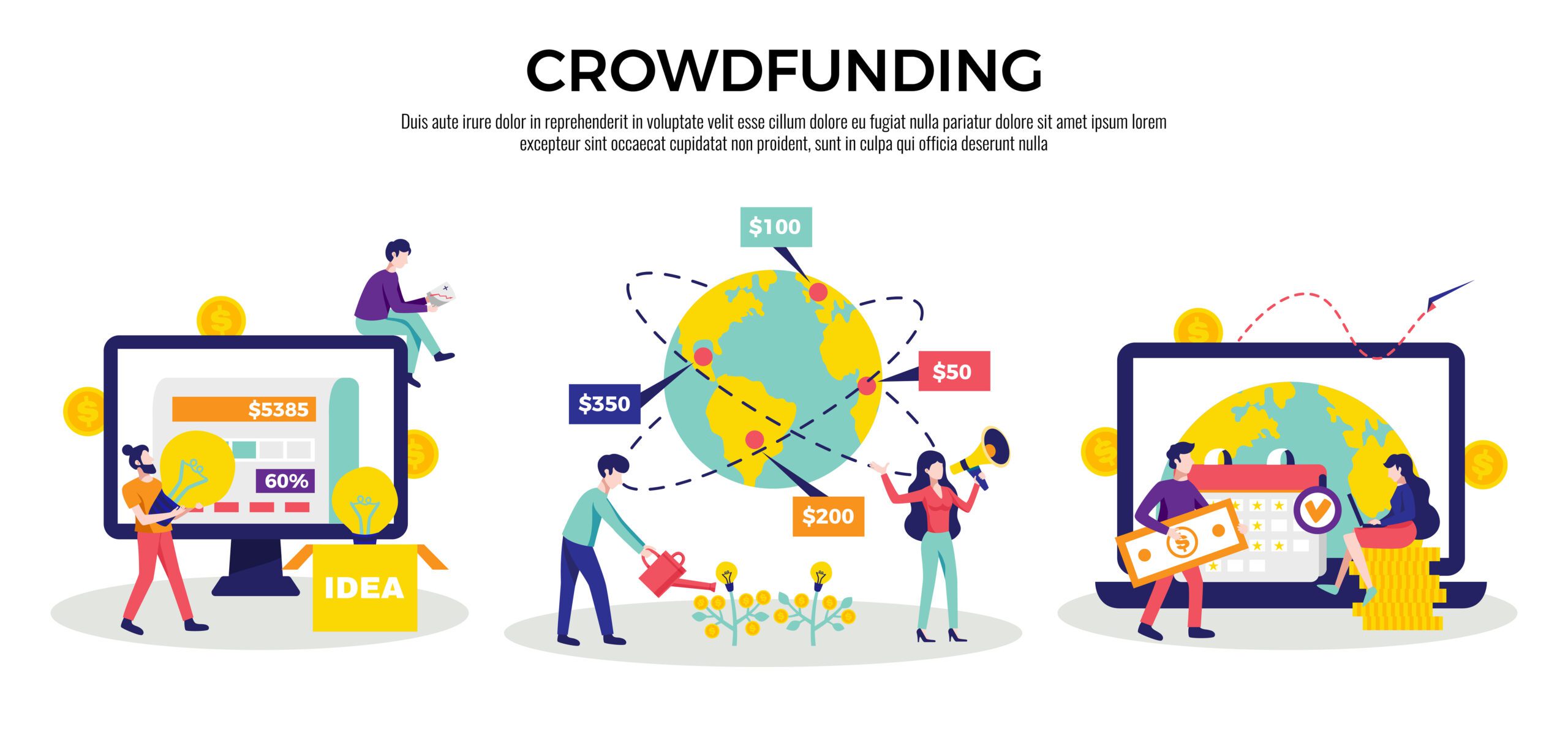
Welcome to the realm of possibilities, where dreams materialize through the power of collective support—crowdfunding. In this comprehensive guide, we delve into the intricacies of crowdfunding website development, ensuring you’re equipped to navigate this exciting venture successfully.
Understanding Crowdfunding
Definition and Types: Crowdfunding is more than fundraising; it’s a dynamic approach where ideas find sustenance from a community. Explore the various crowdfunding types, from reward-based to equity crowdfunding, each offering a unique avenue for project backers.
Key Components: Uncover the essential elements that constitute a successful crowdfunding campaign. From a compelling pitch to well-defined rewards, understanding these components lays the foundation for your project’s success.
Benefits of Crowdfunding
Financial Support: Beyond the monetary aspect, crowdfunding offers validation and proof of concept. Discover how financial backing intertwines with market validation, setting the stage for long-term success.
Market Validation: The crowd’s vote is powerful. Learn how a successful crowdfunding campaign serves as a testament to your idea’s market viability, attracting not just funds but potential customers.
Community Building: Crowdfunding isn’t just transactional; it’s about fostering a community around your idea. Explore the lasting relationships formed during and after a campaign, creating a dedicated fan base.
Planning Your Crowdfunding Website
Research and Analysis: A well-informed start is key. Delve into the importance of thorough research and analysis, understanding your audience, and tailoring your campaign accordingly.
Target Audience Identification: Know your backers. Learn how identifying and targeting the right audience enhances your campaign’s effectiveness.
Choosing the Right Platform
Popular Crowdfunding Platforms: Navigate through the myriad of crowdfunding platforms. From Kickstarter to Indiegogo, we weigh the pros and cons, helping you make an informed choice.
Platform Features and Fees: Understanding the features and fee structures is crucial. Compare platforms to find the one aligning with your project’s needs.
Designing a User-Friendly Interface
Intuitive Navigation: User experience is paramount. Explore the significance of an intuitive interface, ensuring potential backers effortlessly navigate your crowdfunding website.
Mobile Responsiveness: In an era dominated by smartphones, ensure your website adapts seamlessly to various devices, capturing a broader audience.
Incorporating Payment Gateways
Secure Transactions: Trust is non-negotiable. Discover how integrating secure payment gateways builds trust among backers, ensuring smooth and secure transactions.
Multiple Payment Options: Cater to diverse preferences. Offering multiple payment options accommodates a broader range of backers, fostering inclusivity.
Building Trust and Credibility
Clear Communication: Transparency is the cornerstone of trust. Learn how clear communication, realistic expectations, and updates contribute to building credibility.
Testimonials and Success Stories: Showcase the impact of past campaigns. Testimonials and success stories instill confidence, validating your project’s potential.
Crafting a Compelling Story
Importance of a Narrative: Your story is your strength. Understand the art of storytelling, creating a narrative that resonates with your audience, compelling them to be part of your journey.
Connecting with Emotions: Emotion fuels action. Discover how tapping into the emotional aspect of your project captivates backers, turning them into passionate supporters.
Marketing Strategies
Pre-launch Marketing: Lay the groundwork for success. Explore pre-launch marketing strategies, building anticipation and garnering initial interest.
Social Media Engagement: Leverage the power of social media. Learn how to create a buzz, engage your audience, and turn casual observers into committed backers.
Legal Considerations
Compliance and Regulations: Navigating legalities is crucial. Understand the compliance and regulations surrounding crowdfunding, ensuring a smooth and lawful campaign.
Terms and Conditions: Drafting clear terms and conditions protects both backers and project creators. Explore the elements that should be incorporated for a fair and transparent collaboration.
Developing a Robust FAQ Section
Addressing Common Concerns: Anticipate queries proactively. A robust FAQ section addresses common concerns, providing clarity and instilling confidence in potential backers.
Providing Clarity: From shipping details to project timelines, clarity is key. Explore how a well-structured FAQ section eliminates uncertainties, fostering trust.
Leveraging SEO for Visibility
Keyword Research: Master the art of visibility. Dive into the importance of keyword research, optimizing your content for search engines, and ensuring your project reaches the right audience.
Content Optimization: Explore the nuances of content optimization, striking the right balance between search engine requirements and engaging, informative content.
Mobile Optimization
Responsive Design: Mobile optimization is no longer optional. Understand the significance of a responsive design, ensuring your crowdfunding website caters to the mobile-savvy generation.
App Development: Explore the potential of app development. Learn how a dedicated app enhances user experience, fostering convenience and accessibility.
Analytics and Monitoring
Tracking Campaign Performance: Numbers tell a story. Dive into the world of analytics, understanding how tracking campaign performance guides strategic decisions.
Adjusting Strategies: Flexibility is key. Learn how monitoring data allows you to adapt your strategies, maximizing the impact of your crowdfunding campaign.
Successful Crowdfunding Case Studies
Learning from Success Stories: Success leaves clues. Explore real-life case studies, understanding the strategies that propelled projects to success and applying those lessons to your campaign.
Analyzing Failures: Failure teaches equally valuable lessons. Analyze unsuccessful campaigns, identifying pitfalls to avoid and ensuring a more resilient crowdfunding journey.
Building a Community Around Your Project
Post-Campaign Engagement: The end is a new beginning. Explore strategies for post-campaign engagement, keeping your community connected and engaged.
Updates and Appreciation: Gratitude goes a long way. Learn how expressing appreciation and providing regular updates fosters a sense of community and loyalty.
Common Challenges in Crowdfunding
Funding Goal Challenges: Not every journey is smooth. Address the common challenges associated with funding goals, preparing yourself for potential hurdles.
Managing Expectations: Set realistic expectations. Understand the importance of managing backers’ expectations, ensuring a transparent and harmonious collaboration.
Cybersecurity Measures
Protecting Backer Information: Security is paramount. Delve into cybersecurity measures, safeguarding backer information through SSL certificates and robust protocols.
SSL Certificates: Explore the role of SSL certificates in ensuring a secure environment, instilling confidence in backers about the safety of their data.
The Future of Crowdfunding
Technological Advancements: The only constant is change. Explore the future of crowdfunding, considering technological advancements shaping the landscape.
Trends and Innovations: Stay ahead of the curve. Discover emerging trends and innovations, positioning your project at the forefront of the crowdfunding wave.
Crowdfunding Website Development Checklist
Summarized Steps: Streamline your approach. A checklist of summarized steps ensures you cover all bases, from planning to post-campaign engagement.
Actionable Tips: Dive into actionable tips, transforming theoretical knowledge into practical strategies, ensuring a seamless crowdfunding website development journey.
FAQs
What is the typical duration of a crowdfunding campaign? Crowdfunding campaign durations vary but commonly last between 30 to 60 days. It’s crucial to align the duration with the project’s needs and goals.
How do I choose the right crowdfunding platform? Consider factors like project type, platform fees, and target audience. Research and choose a platform aligning with your project’s requirements.
Are there legal considerations for crowdfunding? Absolutely. Ensure compliance with crowdfunding regulations, draft clear terms, and communicate transparently to maintain legal integrity.
Why is a compelling story important for crowdfunding? A compelling story resonates with backers emotionally, creating a connection that goes beyond transactional support.
How can I build a community around my project? Engage with backers regularly, provide updates, and express gratitude. Building a community requires ongoing communication and appreciation.
What are the common challenges in crowdfunding? Challenges include reaching funding goals, managing expectations, and handling unforeseen obstacles. Preparation and transparency are key.
Conclusion
In the dynamic realm of crowdfunding website development, the journey is as crucial as the destination. Armed with insights, strategies, and a robust plan, you’re now ready to embark on this exhilarating adventure. Remember, your idea has the power to not just attract funds but to create a community and turn dreams into reality.
Embark on a journey into the dynamic realm of frontend development. In this comprehensive guide, we delve into the qualities that define the best frontend developers. From technical proficiency to effective collaboration, discover what makes these professionals stand out.
Understanding Frontend Development
What is Frontend Development? Frontend development involves crafting the user interface and user experience of websites and applications. It’s the art of bringing design to life, making digital interactions seamless and enjoyable.
Importance of Frontend Developers
In the ever-evolving digital landscape, frontend developers play a crucial role. They bridge the gap between design and functionality, ensuring that websites not only look stunning but also perform flawlessly.
Qualities of the Best Frontend Developers
Technical Proficiency The best frontend developers boast a mastery of languages like HTML, CSS, and JavaScript. Their code is not just functional but elegant, creating a smooth user experience.
Key Skills to Look For
Educational Background While formal education is valuable, the ability to apply knowledge in real-world scenarios is paramount. Look for candidates with degrees in computer science, web development, or related fields.
Tools and Technologies Mastery The tech landscape is ever-changing. Top developers keep their skills sharp, staying updated on the latest tools and technologies shaping the frontend world.
Professional Experience Experience matters. Seasoned developers bring a wealth of knowledge, having navigated various projects and challenges throughout their careers.
Portfolio Showcase
A rich portfolio is a testament to a developer’s capabilities. The best frontend developers showcase a diverse range of projects, highlighting their versatility and creativity.
The Impact of Design Skills
Beyond code, design skills are invaluable. The best developers understand the principles of design, ensuring the aesthetics of a website align with its functionality.
Collaboration and Communication
Effective collaboration is a hallmark of the best frontend developers. They communicate seamlessly with designers, backend developers, and other stakeholders, ensuring a cohesive development process.
Staying Updated in a Dynamic Field
Continuous Learning Frontend development evolves rapidly. The best developers commit to continuous learning, staying abreast of new trends and technologies.
Participation in the Community Active involvement in the developer community fosters growth. Whether through forums, conferences, or open-source contributions, engagement keeps skills sharp.
Challenges Faced by Frontend Developers
Overcoming Common Obstacles From browser compatibility issues to tight deadlines, frontend developers navigate challenges with resilience. Problem-solving is ingrained in their approach.
Coping with Rapid Technological Changes
Frontend technologies evolve swiftly. The best developers adapt, embracing change and leveraging new tools to enhance their craft.
The Future of Frontend Development
Emerging Trends As technology advances, so does frontend development. Explore emerging trends like Progressive Web Apps, artificial intelligence in design, and the increasing focus on web accessibility.
The Role of Best Frontend Developers in Web Accessibility
Accessibility is a priority. Learn how top developers ensure websites are inclusive, catering to users with diverse needs.
The Intersection of Design and Functionality
Best Practices for Aspiring Frontend Developers Aspiring developers, take note! Networking, building a personal brand, and mentorship are keys to success in the frontend world.
Networking and Building a Personal Brand
In a competitive field, connections matter. The best frontend developers network actively, fostering professional relationships that can open doors.
Mentoring and Being Mentored
Mentorship is a two-way street. Seasoned developers share their knowledge, while newcomers bring fresh perspectives. The best developers understand the value of both roles.
Conclusion
In conclusion, the journey to becoming one of the best frontend developers is a continuous pursuit of excellence. Embrace challenges, stay updated, and foster a collaborative spirit. As technology evolves, so do the opportunities for frontend developers to shape the digital landscape.
FAQs
Q: How can I become a frontend developer? Embark on a learning journey. Acquire the necessary technical skills, build a portfolio, and actively engage with the developer community.
Q: What programming languages should a frontend developer master? HTML, CSS, and JavaScript are fundamental. Additional languages like TypeScript and frameworks like React or Angular enhance your toolkit.
Q: How important is design for frontend developers? Critical. Design skills ensure that the user interface is not just functional but visually appealing and user-friendly.
Q: How do frontend developers cope with evolving technologies? Continuous learning and active participation in the developer community are key. Attend conferences, engage in forums, and embrace change.
Q: Is mentorship important in frontend development? Absolutely. Mentorship provides guidance, accelerates learning, and fosters a sense of community within the field.
Q: What is the future of frontend development? The future holds exciting trends like Progressive Web Apps, AI integration in design, and an increased focus on web accessibility.
Welcome to the era where your iPhone meets the future – the best AI app for iPhone. In this comprehensive guide, we delve into the intricacies of artificial intelligence, unveiling the top-notch applications that redefine the capabilities of your beloved device.
Unveiling the Power of AI on iPhone
Understanding the Dynamics
Embark on a journey into the heart of AI on your iPhone. Explore how these intelligent applications seamlessly integrate into your daily life, transforming the ordinary into the extraordinary.
The Evolution of AI Apps
Witness the evolution of AI apps for iPhone. From basic functionalities to sophisticated problem-solving, these apps have come a long way, enhancing user experiences and making the iPhone an indispensable part of our lives.
Best AI App for iPhone: A Game-Changer
Dive deep into the crème de la crème of AI applications. Uncover the app that stands out as the epitome of innovation, pushing the boundaries of what your iPhone can achieve.
Exploring the Features
Intuitive User Interface
Experience the magic of an AI app with an intuitive interface. Seamlessly navigate through features that understand and adapt to your preferences, making every interaction a delight.
Enhanced Personalization
Discover how AI apps on iPhone learn from your behavior, providing a personalized experience like never before. Tailored recommendations, predictive text, and more await you.
Cutting-Edge Machine Learning
Delve into the world of machine learning embedded in these apps. Understand how your iPhone becomes smarter over time, anticipating your needs and enhancing its capabilities.
In-Depth Analysis of the Best AI App for iPhone
Feature Spotlight: Virtual Assistant
Meet your virtual assistant, the unsung hero of AI apps. Explore how it streamlines your tasks, organizes your schedule, and adds a touch of efficiency to your daily routine.
Revolutionizing Photography
Unleash the power of AI in photography apps. From intelligent scene recognition to enhancing image quality, witness how your iPhone becomes a pocket-sized professional camera.
AI in Entertainment
Immerse yourself in the entertainment possibilities AI brings to your iPhone. Explore how these apps revolutionize music, movies, and gaming, elevating your leisure time.
Best AI App for iPhone: Real-Life Experiences
Personal Testimonials
Read firsthand experiences from users who have integrated the best AI app into their iPhones. Learn how these apps have become indispensable in their lives, simplifying tasks and enhancing productivity.
Expert Insights
Gain expert insights into the impact of AI on iPhones. Understand the technological advancements and the future potential that awaits, as shared by industry leaders.
FAQs
How do AI apps affect iPhone performance?
Experience a boost in performance rather than a slowdown. AI apps are designed to optimize processes, ensuring your iPhone operates efficiently.
Can I trust AI apps with sensitive information?
Absolutely. Leading AI apps prioritize user privacy and employ robust security measures, ensuring your data remains confidential.
Are AI apps compatible with older iPhone models?
Yes, most AI apps are designed to be compatible with a wide range of iPhone models, ensuring accessibility for all users.
How frequently are AI apps updated?
Top-notch AI apps receive regular updates, incorporating new features, enhancing performance, and adapting to the evolving technological landscape.
Do AI apps drain the iPhone battery quickly?
No, AI apps are optimized for efficiency. They intelligently manage resources, minimizing battery consumption while delivering exceptional performance.
Can I customize the settings of AI apps?
Yes, enjoy a personalized experience by customizing AI app settings to align with your preferences and needs.
Conclusion
In conclusion, the best AI app for iPhone isn’t just an application; it’s a technological marvel that transforms your device into a powerhouse of innovation. Embrace the future with open arms as artificial intelligence seamlessly integrates into your iPhone, enhancing your daily experiences in ways you never thought possible.
In the vast landscape of social media, understanding your connections is crucial. “How Can You See If Someone Is Not Following You on Facebook” becomes a pertinent question. This article delves into the intricacies, providing insights and step-by-step guidance.
Exploring the Facebook Landscape
Navigating the Friend List
Uncover the truth by exploring your friend list. Discover who is missing from your connections and decipher the reasons behind it.
Analyzing Followers
Dive deep into your followers’ list to identify discrepancies. Learn how to spot the absence of certain individuals and interpret the implications.
Notifications and Updates
Understanding the significance of notifications is key. Learn how to interpret the absence of updates from specific individuals and decode the silent signals.
Recognizing the Signs
Mutual Friends Matrix
Explore the interconnected web of mutual friends. Identify patterns and anomalies that might reveal someone’s absence from your network.
Profile Engagement Analysis
Analyze the engagement on your profile. Uncover the subtle clues that indicate whether someone is actively following your updates or has slipped away.
Activity Log Scrutiny
Navigate the activity log to unveil the history of interactions. Learn how to interpret the absence of someone’s footprint and what it signifies.
FAQs
Can Someone Unfollow You Without You Knowing?
Yes, users can unfollow without notification. Regularly check your followers’ list to stay updated on any changes.
What Should I Do If I Notice Someone Unfollowed Me?
Initiate a friendly conversation to understand the reasons or simply let it be. Not every unfollow is intentional or personal.
Does Facebook Notify You When Someone Stops Following You?
No, Facebook doesn’t send notifications for unfollows. Stay vigilant and use the methods discussed to keep track.
Can I Block Someone Who Unfollowed Me?
Yes, blocking is an option, but it’s advisable to assess the situation before taking such a step.
Is It Possible to See a List of People Who Unfollowed Me?
Facebook doesn’t provide a built-in feature for this. Utilize the methods discussed in this article to deduce unfollowers.
Will Refollowing Someone Notify Them?
No, refollowing is discreet. It won’t trigger any notifications to the user.
Conclusion
Navigating the intricacies of Facebook connections requires vigilance and a keen eye for details. “How Can You See If Someone Is Not Following You on Facebook” is now a mystery unraveled. Use the outlined methods to maintain a well-curated and meaningful network.
In a world dominated by digital content, YouTube has emerged as a powerhouse of diverse videos. But what if you could enjoy them offline? Enter the realm of YouTube downloaders, your gateway to unlimited entertainment. Let’s delve into the intricacies of these tools and how they revolutionize your online experience.
What is a YouTube Downloader?
YouTube downloaders are software applications designed to save videos from YouTube to your device. Whether it’s educational tutorials, music videos, or documentaries, these tools empower users to access content offline, at their convenience.
How YouTube Downloaders Work
Operating a YouTube downloader is simpler than you might think. Copy the video URL, paste it into the downloader, choose your preferred settings, and hit download. In a matter of moments, you’ll have the video on your device, ready to be enjoyed without an internet connection.
Benefits of Using YouTube Downloaders
Time-saving Convenience
Downloading videos eliminates buffering time, ensuring smooth playback. No more interruptions – just seamless enjoyment on your terms.
Offline Access Anytime, Anywhere
Whether you’re on a plane or in an area with limited connectivity, downloaded videos are accessible offline. Say goodbye to reliance on constant internet access.
Popular YouTube Downloader Tools
Curious about the best tools in the market? Here’s a roundup of some top-rated YouTube downloaders:
YTD Video Downloader
Known for its user-friendly interface and speedy downloads.
4K Video Downloader
Ideal for those seeking high-quality downloads, supporting up to 4K resolution.
ClipGrab
A free and efficient option, supporting video downloads from various platforms.
Features to Look for in a Downloader
Choosing the right YouTube downloader involves considering specific features:
Format Options
Ensure the tool supports various video and audio formats.
Batch Downloading
Save time by downloading multiple videos simultaneously.
Update Frequency
Opt for a downloader with regular updates to ensure compatibility with YouTube changes.
Is It Legal to Use YouTube Downloaders?
While downloading videos for personal use is generally accepted, distributing copyrighted material without permission is illegal. Always respect content creators’ rights and adhere to YouTube’s terms of service.
Common Issues and Solutions
Encountering problems with your downloader? Here are common issues and how to resolve them:
Download Failures
Check your internet connection or try an alternative downloader.
Slow Downloads
Opt for a downloader with speed optimization features.
YouTube Downloader vs. Streaming Services
Pros of YouTube Downloaders:
Offline Access
Watch without an internet connection.
Ad-Free Experience
Skip ads when watching downloaded content.
Cons:
Legal Considerations
Streaming services often have clearer copyright policies.
How to Use a YouTube Downloader Safely
Protect your online experience with these safety tips:
Use Reputable Tools
Stick to well-known downloaders to avoid security risks.
Update Regularly
Ensure your downloader is up-to-date to address potential vulnerabilities.
YouTube Downloader for Different Platforms
YouTube downloaders are versatile and compatible with various platforms:
Windows
MacOS
Android
iOS
Frequently Asked Questions (FAQs)
Q: Can I use a YouTube downloader on my smartphone?
A: Absolutely! Many downloaders are compatible with both Android and iOS devices.
Q: Are YouTube downloaders free?
A: Yes, many are free, but some offer premium features at a cost.
Q: Is it legal to download YouTube videos for personal use?
A: Generally, yes. However, distributing downloaded content without permission is illegal.
Q: Are there any risks associated with using YouTube downloaders?
A: Using reputable downloaders minimizes risks. Always prioritize security when choosing a tool.
Q: Can I download entire playlists with a YouTube downloader?
A: Yes, many YouTube downloaders support batch downloading, allowing you to save entire playlists.
Q: How often should I update my YouTube downloader?
A: Regular updates are crucial to address security vulnerabilities and ensure compatibility with YouTube’s latest changes.
Conclusion
In the vast landscape of online content, YouTube downloaders emerge as valuable tools, providing flexibility and convenience. From ensuring offline access to addressing legal considerations, these tools elevate your viewing experience. Choose wisely, stay informed, and unlock the full potential of your favorite videos.
Welcome to the ultimate guide on how to get Roblox voicechat without an ID. In this comprehensive article, we’ll explore the ins and outs of enabling voice chat seamlessly. Whether you’re a seasoned Roblox player or a newcomer, this guide will walk you through the process with clarity and precision.
1. Understanding the Importance of Roblox Voice Chat
Embark on a journey into the significance of voice chat in Roblox. Uncover the immersive gaming experience that awaits when you seamlessly integrate voice communication into your gameplay.
2. Exploring LSI Keywords for Roblox Voice Integration
Delve into the world of Latent Semantic Indexing (LSI) keywords, understanding their role in optimizing your Roblox voice chat experience without the need for an ID.
3. Step-by-Step Setup Guide for Roblox Voice Chat
Follow our detailed step-by-step instructions to effortlessly set up voice chat on Roblox. Navigate through the process smoothly, ensuring a hassle-free experience for every player.
4. Benefits of Using Roblox Voice Chat Without an ID
Uncover the advantages of utilizing voice chat without an ID. From enhanced teamwork to a more social gaming environment, discover how this feature elevates your overall gaming experience.
5. Common Challenges and How to Overcome Them
Explore potential challenges in enabling voice chat and learn effective strategies to overcome them. From technical hiccups to user-related issues, we’ve got you covered.
6. Security Measures: Ensuring a Safe Voice Chat Environment
Prioritize safety with a comprehensive overview of the security measures in place for Roblox voice chat. Understand how the platform ensures a secure gaming environment for all users.
7. User Testimonials: Real Experiences with Roblox Voice Chat
Immerse yourself in real user stories, sharing their firsthand experiences with Roblox voice chat without an ID. Gain insights into the positive impact it has had on their gaming adventures.
8. The Future of Roblox Voice Chat: What to Expect
Peer into the future of Roblox voice chat and anticipate upcoming features. Stay ahead of the curve as the platform evolves to provide an even more immersive gaming experience.
How to Get Roblox Voice Chat Without ID:
Unlocking the voice chat feature on Roblox without an ID is simpler than you might think. Follow these straightforward steps to enjoy seamless communication with fellow gamers.
FAQs:
Can I use Roblox voice chat without providing personal information?
Absolutely! Roblox has introduced a privacy-centric approach, allowing users to enjoy voice chat without compromising personal details.
Are there any age restrictions for using voice chat on Roblox?
Voice chat on Roblox is designed with safety in mind. Users of all ages can enjoy this feature, with moderation and safety measures in place.
Can I mute other players in the voice chat?
Yes, Roblox provides a user-friendly interface that allows you to mute individual players or adjust overall voice chat settings according to your preferences.
Is voice chat available on all devices?
Roblox voice chat is compatible with a wide range of devices, ensuring a consistent and enjoyable experience across platforms.
How do I report inappropriate behavior during voice chat?
Roblox prioritizes a safe and positive gaming environment. Easily report any inappropriate behavior through the platform’s reporting features.
Can I customize voice chat settings to suit my preferences?
Certainly! Roblox offers customization options, allowing you to tailor voice chat settings to your liking for an optimal gaming experience.
Does using voice chat consume a significant amount of data?
Roblox voice chat is designed to be data-efficient. The bandwidth required is relatively low, ensuring a smooth communication experience without putting a strain on your internet connection.
Conclusion:
Congratulations! You’ve now mastered the art of getting Roblox voice chat without an ID. Embrace the enhanced gaming experience, foster connections with fellow players, and stay tuned for the exciting future developments in Roblox voice chat.
In today’s fast-paced world, technology is revolutionizing every aspect of our lives, and the field of dentistry is no exception. Open dental software has emerged as a game-changer, streamlining dental practice management and patient care. In this comprehensive article, we will dive deep into the world of open dental software, exploring its many facets and how it’s making a significant impact on dental practices across the globe.
Unlocking the Potential of Open Dental Software
Dentistry is a blend of art and science, and open dental software serves as the bridge between these two worlds. This innovative software optimizes patient management, appointment scheduling, and clinical tasks, allowing dental professionals to focus on what they do best – providing top-notch oral care.
The Evolution of Dental Practice Management
Open dental’s software marks a significant shift from traditional record-keeping methods. With the use of electronic health records (EHR) and practice management tools, it streamlines administrative tasks and enhances the overall efficiency of dental practices.
Benefits of Open Dental Software
Enhanced Patient Engagement: Open dental’s software enables better patient communication through appointment reminders, treatment plans, and follow-up messages, ensuring patients remain engaged with their dental health.
Efficient Billing and Invoicing: The software simplifies billing processes, reducing errors and enhancing financial management for practices.
Seamless Appointment Scheduling: Dental’s offices can easily manage appointments, reducing wait times and enhancing the patient experience.
Comprehensive Reporting: Open dental’s software offers in-depth reporting capabilities, allowing practitioners to make data-driven decisions for their practice.
Implementing Open Dental Software
Embracing open dental software is a step towards a more efficient and profitable dental practice. The implementation process involves several key steps, such as choosing the right software, staff training, and data migration.
Selecting the Right Open Dental Software
Choosing the ideal open dental’s software for your practice is crucial. Consider factors such as user-friendliness, compatibility with your practice’s needs, and ongoing support.
Staff Training
Training your dental team to use the software effectively is essential. Investing in comprehensive training ensures a smooth transition and maximizes the benefits of the software.
Data Migration
Moving patient records and practice data into the new software should be done with precision. This step is critical to maintaining the continuity of patient care.
FAQs about Open Dental Software
Q: How does open dental software benefit smaller dental practices?
Open dental’s software is designed to cater to practices of all sizes. Smaller practices often find it especially beneficial as it streamlines administrative tasks, reduces overhead costs, and enhances patient engagement.
Q: Is open dental’s software secure?
Yes, open dental’s software prioritizes data security. It complies with industry standards to protect patient information and ensure privacy.
Q: Can open dental software integrate with other dental technologies?
Absolutely, open dental’s software is designed to be compatible with various dental technologies, including digital radiography and CAD/CAM systems.
Q: What is the cost of implementing open dental software?
The cost can vary based on the size of your practice and the features you need. However, the long-term benefits in terms of efficiency and patient satisfaction often outweigh the initial investment.
Q: How can I ensure a smooth transition to open dental software?
A smooth transition involves thorough planning, staff training, and adequate technical support. Many software providers offer guidance and support during this process.
Q: Are there any ongoing fees associated with open dental’s software?
Yes, there are ongoing subscription fees for software updates and customer support. These fees are crucial for maintaining the software’s efficiency and security.
Conclusion
Open dental software is a transformative tool for dental practices, bringing efficiency, precision, and enhanced patient care to the forefront. By embracing this technology, dental professionals can provide a higher level of service while ensuring the smooth management of their practices. It’s safe to say that open dental software is shaping the future of dentistry, one appointment at a time.
In today’s digital age, email marketing is a cornerstone of any successful business or organization. With a plethora of free email marketing tools and services at your disposal, you can effectively engage your audience, drive conversions, and foster customer loyalty. In this comprehensive guide, we will explore the top 10 free email marketing tools and services available, each designed to simplify and amplify your email marketing efforts. Whether you’re a seasoned pro or a novice, this article has something for everyone.
Exploring the Best Email Marketing Tools
Mailchimp
Mailchimp is a household name in email marketing. It offers a user-friendly interface, customizable templates, and detailed analytics. Their free plan allows you to send up to 12,000 emails to 2,000 subscribers monthly, making it perfect for small businesses and startups.
SendinBlue
SendinBlue is a versatile platform suitable for both email and SMS marketing. With their free plan, you can send 300 emails daily to an unlimited number of subscribers. The intuitive drag-and-drop editor and marketing automation tools simplify your campaigns.
Mailer Lite
Mailer Lite is a powerful yet easy-to-use email marketing tool. Their free plan accommodates up to 1,000 subscribers and allows you to send 12,000 emails monthly. It comes with a rich set of features, including landing pages and pop-ups.
Benchmark Email
Benchmark Email provides a free plan for up to 2,000 subscribers and 14,000 emails monthly. Their platform offers responsive templates, automation, and detailed reporting, ensuring your campaigns are top-notch.
Sender
Sender boasts a free plan for sending up to 15,000 emails monthly to 2,500 subscribers. It comes with an intuitive email editor, autoresponders, and A/B testing features. Perfect for businesses seeking simplicity and effectiveness.
Moosend
Moosend offers a generous free plan with no subscriber limit. You can send unlimited emails with their drag-and-drop editor and automation features. Their robust analytics provide valuable insights into your email performance.
Omni send
Omni send specializes in e-commerce email marketing. Their free plan supports up to 15,000 emails monthly to 2,000 subscribers. With pre-built automation workflows and a powerful segmentation tool, it’s a great choice for online retailers.
Zoho Campaigns
Zoho Campaigns is part of the Zoho suite and offers a free plan for up to 2,000 subscribers and 12,000 emails monthly. It provides a seamless integration with other Zoho products and ensures efficient email marketing.
Send Pulse
Send Pulse offers a versatile free plan that includes email, SMS, and web push notifications. You can send up to 15,000 emails to 500 subscribers monthly. Their AI-driven platform optimizes email open rates and engagement.
Convert Kit
Convert Kit is perfect for content creators and bloggers. While not entirely free, it offers a free plan for up to 1,000 subscribers. Its simplicity, automation, and subscriber tagging make it a valuable asset for creators.
Frequently Asked Questions
What is the importance of email marketing?
Email marketing is a powerful tool for businesses and organizations to connect with their audience, promote products or services, and nurture customer relationships. It offers a direct and cost-effective way to engage with subscribers.
Are free email marketing tools effective?
Yes, free email marketing tools are effective for small businesses and startups. They provide essential features to create and send engaging emails, helping you build your subscriber base without a substantial financial investment.
How do I choose the right email marketing tool?
To choose the right email marketing tool, consider factors such as the size of your subscriber list, your specific needs (e.g., e-commerce, blogging), and the features offered. Most platforms offer free trials or free plans, allowing you to test their suitability.
Can I switch to a paid plan later?
Yes, most email marketing tools offer the option to upgrade to a paid plan as your needs grow. This scalability ensures that you can adapt your email marketing strategy to your expanding audience.
What are the key metrics to track in email marketing?
Key metrics to track in email marketing include open rates, click-through rates, conversion rates, unsubscribe rates, and delivery rates. These metrics provide insights into the success of your email campaigns.
Conclusion
In the realm of digital marketing, harnessing the power of email is indispensable. With these top 10 free email marketing tools and services, you can take your outreach efforts to new heights. Each platform offers unique features to suit various needs, ensuring that you can engage your audience effectively, no matter the size of your business or organization. So, dive in, explore these tools, and watch your email marketing campaigns flourish.
In today’s digital age, music has become an integral part of our lives. With countless songs available on platforms like YouTube, it’s only natural that we want to enjoy our favorite melodies whenever and wherever we please. This is where YouTube to MP3 converters come into play, and one excellent option is the YouTube to MP3 Motor YT1. In this comprehensive guide, we’ll delve into the world of YouTube to MP3 conversion and explore why YT1 stands as a top choice for music enthusiasts.
Preface YouTube to MP3 conversion allows you to extract audio from your favorite YouTube videos and save it in MP3 format, making it accessible to listen to your preferred tracks offline. Among the various converters available, YouTube to MP3 Motor YT1 has gained popularity due to its user-friendly interface and remarkable features. Let’s dive into the world of YouTube to MP3 conversion and discover why YT1 should be your go-to choice.
YouTube to MP3 Motor YT1: The Basics
YouTube to MP3 Motor YT1 is a versatile online tool designed to make converting YouTube videos to MP3 files a breeze. Whether you are looking to create a playlist of your favorite songs or want to listen to a motivational speech while on the go, YT1 has you covered.
Why Choose YouTube to MP3 Motor YT1?
YT1 offers several advantages that set it apart from the competition:
User-Friendly Interface: YT1’s intuitive design ensures that even those with minimal technical knowledge can navigate the platform with ease.
High-Quality Audio: You can expect top-notch audio quality when using YT1. Say goodbye to low-quality MP3s.
No Registration Needed: Unlike some converters that require registration, YT1 allows you to convert YouTube videos to MP3 hassle-free and without the need for an account.
Fast Conversion Speed: YT1 excels in speedy conversions, saving you precious time.
Compatibility: YT1 works seamlessly on various devices and platforms, ensuring you can enjoy your MP3s wherever you go.
How to Use YouTube to MP3 Motor YT1
Converting YouTube videos to MP3 with YT1 is a straightforward process. Here is a step-by-step guide to get you started:
Copy the YouTube Video URL: Go to YouTube, find the video you want to convert, and copy its URL from the address bar.
Paste the URL: Visit the YT1 website and paste the copied URL into the provided field.
Choose MP3 Format: Select the MP3 format for conversion.
Click ‘Convert’: Hit the ‘Convert’ button to start the process.
Download Your MP3: Once the conversion is complete, you can download your MP3 file to your device.
FAQs
How Legal is it to Convert YouTube Videos to MP3?: Converting YouTube videos to MP3 for personal use is generally considered legal. However, distributing copyrighted material without authorization is not legal. Always respect copyright laws.
Is YouTube to MP3 Motor YT1 Free to Use?: Yes, YT1 offers its services for free, allowing you to convert YouTube videos to MP3 without any charges or subscriptions.
Can I Use YT1 on My Mobile Device?: Absolutely! YT1 is completely mobile-friendly, allowing you to convert and download MP3s on your smartphone or tablet.
Does YT1 Support Batch Conversion?: Currently, YT1 focuses on individual video conversion. However, you can convert multiple videos one by one.
Are There Any Limitations on the Length of Videos I Can Convert?: YT1 is known for its versatility and can handle videos of various lengths. Whether it’s a short clip or a lengthy lecture, you can convert it to MP3.
Is YT1 Safe to Use?: YT1 takes user privacy seriously and ensures a secure and safe conversion process.
Conclusion :
YouTube to MP3 Motor YT1 is your ultimate music companion, offering a seamless and effective way to convert your favorite YouTube videos into high-quality MP3 files. With its user-friendly interface, fast conversion speed, and compatibility with various devices, YT1 is a top choice for music enthusiasts worldwide. So, if you are ready to enjoy your favorite music offline, give YT1 a try and elevate your music experience instantly.
In the digital age, where data is king, APIs (Application Programming Interfaces) have become invaluable tools for developers and businesses. Two common types of APIs that often come up in discussions are Web APIs and RESTful APIs. Understanding their distinctions is crucial to making informed decisions about data integration. In this article, we’ll delve deep into the world of Web API vs RESTful API, shedding light on their characteristics, use cases, and more.
Web API vs RESTful API
When it comes to data communication and integration, Web APIs and RESTful APIs are two titans that offer distinct approaches:
Web API: The Versatile Communicator
Web APIs, short for Web Application Programming Interfaces, are a broad category of APIs designed to facilitate communication between various software systems over the internet. They act as intermediaries, allowing one application to request and exchange data with another, regardless of the platforms they’re built on.
These APIs come in various forms, such as SOAP, XML-RPC, and JSON-RPC, making them versatile in accommodating different data formats and protocols. Web APIs are often used when interacting with legacy systems or services that require complex operations.
RESTful API: The Simplicity Champion
RESTful APIs, or Representational State Transfer APIs, adhere to a set of architectural constraints and principles that prioritize simplicity and scalability. They rely on standard HTTP methods (GET, POST, PUT, DELETE) and are known for their statelessness, meaning each request from a client to a server must contain all the information needed to understand and fulfill it.
RESTful APIs primarily use JSON as their data format, making them lightweight and easy to work with. They are particularly popular for building web services and mobile applications due to their simplicity and efficiency.
Use Cases
Now that we have a basic understanding of both Web API vs RESTful API, let’s explore their common use cases:
Web API Use Cases
Legacy System Integration: When you need to connect modern applications with older, legacy systems that use diverse data formats and protocols, Web APIs are the go-to solution.
Complex Operations: Web APIs excel in scenarios where complex, transactional operations are required, such as financial transactions or supply chain management.
Enterprise Resource Planning (ERP): Businesses often use Web APIs to integrate various ERP systems, streamlining operations across departments.
RESTful API Use Cases
Web and Mobile Applications: RESTful APIs are the preferred choice for developing web and mobile applications due to their simplicity and ease of use.
Social Media Integration: Many social media platforms provide RESTful APIs to enable developers to integrate features like sharing, liking, and posting.
IoT (Internet of Things): IoT devices communicate with cloud platforms using RESTful APIs, allowing for real-time data retrieval and control.
Advantages
Each type of API comes with its own set of advantages:
Advantages of Web APIs
Flexibility: Web APIs can handle a wide range of data formats and protocols, making them adaptable to various scenarios.
Robustness: They are suitable for handling complex operations and transactions.
Legacy System Compatibility: Web APIs facilitate the integration of legacy systems, extending their lifespan.
Advantages of RESTful APIs
Simplicity: RESTful APIs are easy to understand, implement, and maintain.
Scalability: They are highly scalable and perform well, even with increased user loads.
Statelessness: The stateless nature of RESTful APIs simplifies server maintenance and load balancing.
Certainly, here’s a table summarizing the differences between Web APIs and RESTful APIs:
Aspect
Web API
RESTful API
Protocol
Supports various protocols (e.g., HTTP, WebSocket)
Primarily uses HTTP
Data Format
Supports multiple data formats (e.g., JSON, XML)
Typically uses JSON
Functionality
Offers a wide range of functionalities
Emphasizes resource-based actions
Statefulness
Can be stateful or stateless, depending on design
Emphasizes statelessness
Architecture
General term for web-based interfaces
Adheres to REST architectural principles
Constraints
No specific constraints
Follows REST constraints
Please note that while Web APIs encompass a broader range of possibilities, RESTful APIs adhere to specific architectural principles, which may lead to simpler and more predictable interactions for certain use cases. The choice between them depends on the project’s requirements and goals.
Frequently Asked Questions
Which API is better, Web API, or RESTful API?
The choice between Web API vs RESTful API depends on your project’s specific requirements. If you need versatility and compatibility with legacy systems, Web APIs are the way to go. For simplicity, scalability, and modern web and mobile applications, RESTful APIs are preferred.
How can I ensure the security of API communication?
To secure API communication, you can implement authentication mechanisms such as API keys, OAuth, or token-based authentication. Additionally, encrypting data during transmission using HTTPS is essential for data protection.
Are there any performance differences between the two?
In terms of performance, RESTful APIs are generally faster due to their lightweight nature and statelessness. However, the actual performance can vary depending on the specific implementation and use case.
Can I use both Web APIs and RESTful APIs in the same project?
Yes, it’s possible to use both types of APIs within the same project if your application requires it. Each API can serve its unique purpose, enabling seamless integration of various systems.
What are some real-world examples of Web API and RESTful API usage?
A real-world example of a Web API is the integration of a modern e-commerce website with a legacy inventory management system. In contrast, a RESTful API can be seen in action when a mobile app accesses and updates user data on a cloud server.
How do I choose between SOAP and REST within Web APIs?
Choosing between SOAP and REST in Web APIs depends on factors such as the existing infrastructure, data format preferences, and the complexity of the operations. SOAP is suitable for highly structured and transactional scenarios, while REST offers simplicity and flexibility.
Conclusion
In the realm of data integration and communication, understanding the differences between Web API vs RESTful API is essential. Your choice between these two API types should align with your project’s specific requirements and goals. Whether you opt for the flexibility of Web APIs or the simplicity of RESTful APIs, both have their place in the ever-evolving world of technology.