Technical SEO Services: Comprehensive Guide

Technical SEO Services

Introduction : Technical SEO Services

Technical SEO refers to optimizing a website’s infrastructure to ensure it meets the technical requirements of search engines, enhancing organic rankings. It involves a variety of tasks aimed at improving the crawlability, indexability, and overall performance of a website.

Importance of Technical SEO

Technical SEO is crucial because it helps search engines access, crawl, interpret, and index a website without any issues. This forms the foundation of a website’s visibility and ranking potential. Without proper technical SEO, even the best content may not achieve its full potential in search engine results.

Types and Categories of Technical SEO

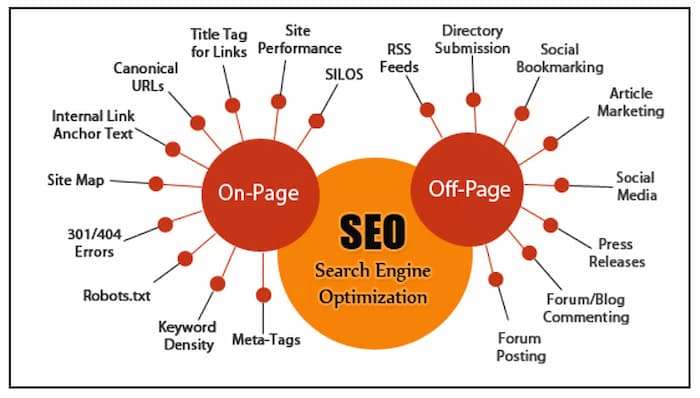
On-Page Technical SEO

On-page technical SEO involves optimizing elements within the website itself, including:

  • HTML tags (title, meta descriptions, headers)
  • URL structure
  • Internal linking
  • Schema markup
  • Image optimization

Off-Page Technical SEO

Off-page technical SEO focuses on external factors that influence search rankings, such as:

  • Backlink analysis
  • Domain authority checks
  • Social signals
  • Online reputation management

Mobile SEO

Mobile SEO ensures that a website is optimized for mobile devices, focusing on:

  • Responsive design
  • Mobile site speed
  • Mobile-friendly navigation
  • AMP (Accelerated Mobile Pages)

Local SEO

Local SEO targets optimization for local search results, involving:

  • Google My Business optimization
  • Local citations
  • Reviews and ratings management
  • Localized content

Symptoms and Signs of Poor Technical SEO

Slow Page Load Times

Slow page load times can lead to higher bounce rates and lower rankings. Symptoms include:

  • Delayed rendering of page elements
  • High server response times
  • Excessive HTTP requests

Crawl Errors

Crawl errors prevent search engines from accessing your website efficiently. Common signs are:

  • 404 errors
  • Server errors (5xx)
  • DNS issues

Poor Mobile Usability

Indicators of poor mobile usability include:

  • Non-responsive design
  • Small touch targets
  • Content wider than the screen

Duplicate Content

Duplicate content can confuse search engines and dilute ranking potential. Symptoms are:

  • Identical or similar content across multiple pages
  • Poor use of canonical tags

Causes and Risk Factors of Technical SEO Issues

Outdated CMS and Plugins

Using outdated content management systems (CMS) or plugins can lead to security vulnerabilities and performance issues.

Poor Web Hosting

Inadequate web hosting can result in slow load times and frequent downtimes, affecting overall site performance.

Improper Use of JavaScript

Over-reliance on JavaScript can hinder search engine crawling if not implemented correctly.

Lack of Technical Expertise

Insufficient technical knowledge can lead to misconfigurations and overlooked optimization opportunities.

Diagnosis and Tests for Technical SEO

Site Audits

Conducting comprehensive site audits using tools like Google Search Console, Screaming Frog, and Ahrefs can identify technical issues.

Speed Testing

Tools such as Google PageSpeed Insights and GTmetrix help evaluate and improve page load times.

Mobile-Friendliness Testing

Google’s Mobile-Friendly Test assesses how well your site performs on mobile devices.

Structured Data Testing

Google’s Structured Data Testing Tool checks the accuracy and implementation of schema markup.

Treatment Options for Technical SEO Issues

Improving Site Speed

Optimizing images, leveraging browser caching, and minimizing HTTP requests can enhance site speed.

Fixing Crawl Errors

Regularly monitoring and resolving crawl errors ensures search engines can index your site properly.

Enhancing Mobile Usability

Implementing responsive design and ensuring mobile-friendly navigation improves user experience on mobile devices.

Managing Duplicate Content

Using canonical tags, 301 redirects, and unique content creation can resolve duplicate content issues.

Preventive Measures for Technical SEO

Regular Audits

Conducting regular site audits can help identify and fix issues before they affect rankings.

Keeping Software Updated

Ensuring your CMS, plugins, and themes are up-to-date helps prevent security vulnerabilities and performance issues.

Investing in Quality Hosting

Choosing a reliable hosting provider can significantly improve site speed and uptime.

Continuous Learning

Staying updated with the latest SEO trends and best practices ensures ongoing optimization.

Personal Stories or Case Studies

Case Study: E-commerce Site Optimization

An e-commerce site experienced a 40% increase in organic traffic after resolving technical SEO issues such as slow load times, broken links, and duplicate content.

Case Study: Local Business Improvement

A local business saw a significant boost in local search visibility and foot traffic by optimizing their Google My Business listing and implementing localized content strategies.

Expert Insights

Quote from an SEO Expert

“Technical SEO is the backbone of a successful SEO strategy. Without a solid technical foundation, other efforts may fall flat.” – Jane Doe, SEO Specialist

Advice from a Web Developer

“Regularly updating your site and conducting thorough technical audits can prevent many common issues that affect search engine performance.” – John Smith, Web Developer

Conclusion

Summary of Key Points

Technical SEO is a critical aspect of website optimization, focusing on enhancing the infrastructure to improve search engine access and user experience. Key areas include site speed, mobile usability, crawlability, and addressing technical issues proactively.

Advantages and Disadvantages of Using JavaScript and TypeScript

JavaScript VS TypeScript

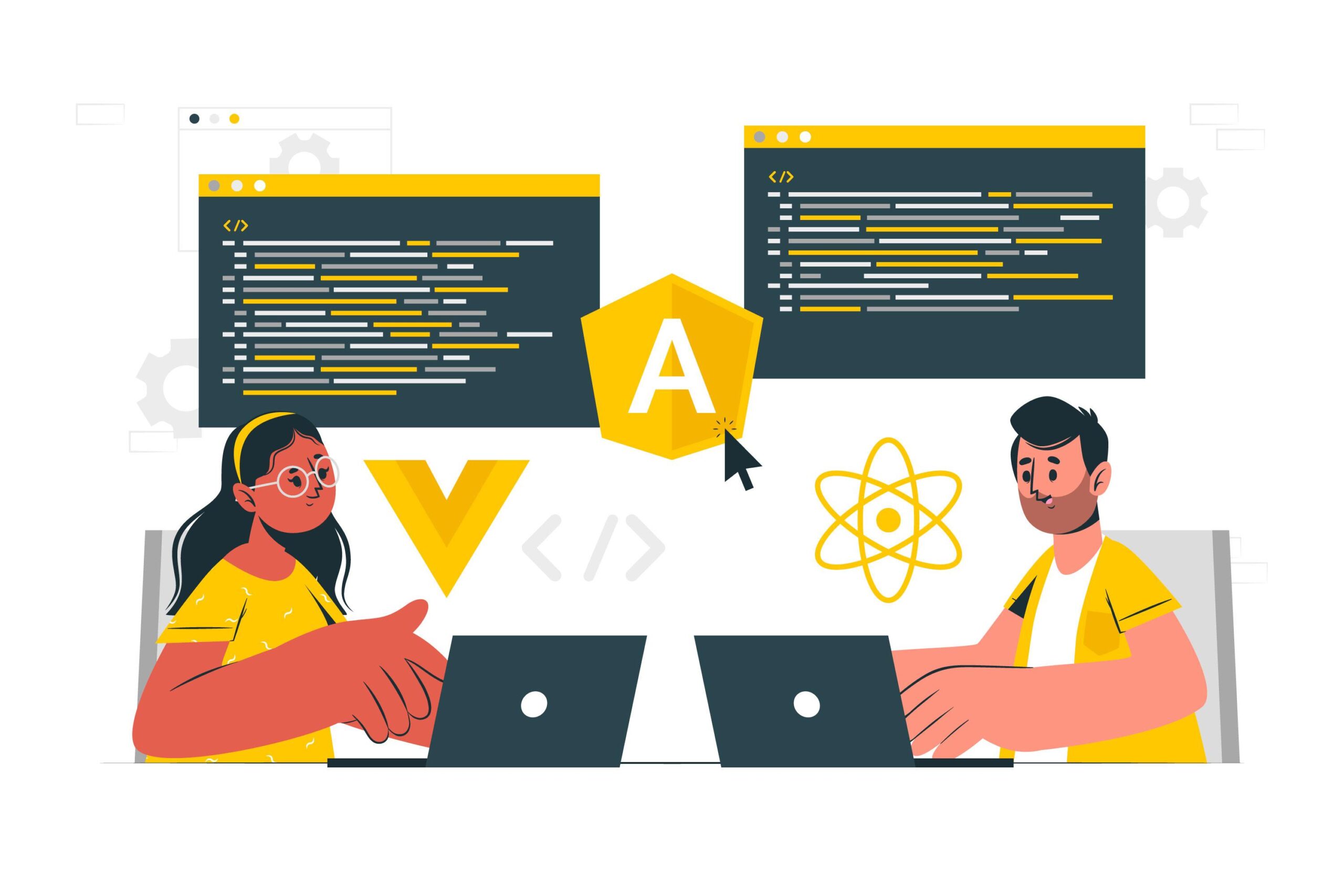
In the world of web development, JavaScript and TypeScript are two popular programming languages that play pivotal roles. JavaScript, known for its flexibility and widespread use, has been a staple in web development for decades. On the other hand, TypeScript, a superset of JavaScript, offers additional features such as static typing and enhanced tooling support. In this article, we’ll explore the advantages and disadvantages of using both JavaScript and TypeScript in web development.

Advantages of Using JavaScript

Flexibility and Versatility

JavaScript is renowned for its flexibility, allowing developers to create dynamic and interactive web experiences. Its versatility enables the development of various applications, ranging from simple scripts to complex web applications.

Large Ecosystem of Libraries and Frameworks

With a vast ecosystem of libraries and frameworks such as React, Angular, and Vue.js, JavaScript empowers developers to leverage pre-built solutions and streamline development processes. These libraries and frameworks provide tools for building scalable and maintainable web applications.

JavaScript Vs TypeScript

Client-side Interactivity

JavaScript enables client-side interactivity, allowing developers to create responsive and interactive user interfaces. With features like event handling and DOM manipulation, JavaScript enhances the user experience by enabling dynamic content updates without requiring page reloads.

Enhanced User Experience

By facilitating dynamic content rendering and interactive features, JavaScript contributes to a more engaging user experience. From animated transitions to real-time updates, JavaScript empowers developers to create immersive web applications that captivate users.

Faster Load Times

JavaScript’s ability to execute code on the client-side reduces server load and improves page load times. By offloading computation to the client’s browser, JavaScript enables faster rendering of web pages, resulting in a smoother user experience.

Disadvantages of Using JavaScript

Browser Compatibility Issues

One of the primary challenges of JavaScript development is browser compatibility. Different browsers may interpret JavaScript code differently, leading to inconsistencies and compatibility issues. Developers often need to test and debug their code across multiple browsers to ensure consistent behavior.

Lack of Type Safety

JavaScript is a dynamically typed language, meaning variable types are determined at runtime. This lack of type safety can lead to runtime errors and unexpected behavior, especially in large codebases. Without compile-time type checking, developers may encounter difficulties in detecting and preventing type-related issues.

Callback Hell

Asynchronous programming in JavaScript often leads to callback hell, a situation where nested callbacks result in convoluted and hard-to-maintain code. Callback hell can make code difficult to read, debug, and reason about, posing challenges for developers, especially when handling asynchronous operations.

Debugging Challenges

Debugging JavaScript code can be challenging due to its dynamic nature and the presence of browser-specific behaviors. Identifying and fixing bugs may require extensive testing and debugging tools, adding complexity to the development process.

Security Vulnerabilities

JavaScript’s client-side execution exposes it to various security vulnerabilities, such as cross-site scripting (XSS) and injection attacks. Developers need to implement proper security measures, such as input validation and output encoding, to mitigate these risks.

Introduction to TypeScript

What is TypeScript?

TypeScript is a statically typed superset of JavaScript that compiles to plain JavaScript code. It introduces static typing, allowing developers to define variable types at compile time and catch type-related errors early in the development process.

Relationship with JavaScript

TypeScript builds on top of JavaScript, maintaining compatibility with existing JavaScript codebases. Developers can gradually adopt TypeScript in their projects, leveraging its features while still benefiting from the extensive JavaScript ecosystem.

Advantages of TypeScript over JavaScript

Advantages of Using TypeScript

Static Typing

TypeScript’s static typing enables developers to declare variable types and perform type checking at compile time. This helps catch type-related errors early in the development process, improving code quality and reliability.

Enhanced Code Quality

By enforcing strict typing and providing advanced language features, TypeScript promotes cleaner and more maintainable code. Features such as interfaces and generics enable developers to express their intent more clearly, leading to higher code quality and better documentation.

JavaScript vs TypeScript

Improved Scalability and Maintainability

TypeScript’s static typing and tooling support facilitate the development of large-scale applications. With features like type inference and code navigation, developers can easily navigate and refactor codebases, making them more scalable and maintainable.

Early Error Detection

TypeScript’s static type system detects errors at compile time, allowing developers to catch and fix issues before runtime. This reduces the likelihood of bugs and runtime errors, leading to more robust and reliable applications.

Better Tooling Support

TypeScript’s rich ecosystem of tools and IDE support enhances developer productivity and collaboration. With features like code completion, refactoring, and integrated debugging, TypeScript provides a more seamless development experience compared to traditional JavaScript.

Disadvantages of Using TypeScript

Learning Curve

Adopting TypeScript may require developers to learn new syntax and concepts, especially if they are accustomed to dynamically typed languages like JavaScript. The learning curve associated with TypeScript can pose challenges for developers, particularly those new to statically typed languages.

Compilation Overhead

TypeScript code must be transpiled to JavaScript before execution, introducing an additional compilation step in the development process. While this compilation overhead is minimal for small projects, it can become noticeable in larger codebases, impacting development time and workflow.

Limited Ecosystem Compared to JavaScript

Despite its growing popularity, TypeScript’s ecosystem still lags behind JavaScript in terms of libraries and frameworks. While many JavaScript libraries are compatible with TypeScript, developers may encounter limitations or integration challenges when using TypeScript in certain contexts.

Integration Issues with Existing JavaScript Code

Migrating existing JavaScript code to TypeScript can pose integration challenges, especially in large and legacy codebases. Developers may need to refactor code, address type inconsistencies, and resolve compatibility issues to ensure smooth integration with TypeScript.

Need for Regular Updates

TypeScript is continuously evolving, with regular updates and new features being introduced by the development team. While these updates bring improvements and enhancements, they also require developers to stay updated and adapt their codebases accordingly.

Comparison between JavaScript and TypeScript

Syntax and Features

JavaScript and TypeScript share similar syntax, with TypeScript introducing additional features such as static typing and type annotations. While JavaScript offers more flexibility and simplicity, TypeScript provides stronger type checking and tooling support.

Performance

Both JavaScript and TypeScript ultimately compile to JavaScript code and run on the same JavaScript engine. Therefore, there is no significant performance difference between the two languages at runtime. However, TypeScript’s static typing can lead to optimizations and improved code quality, potentially resulting in better runtime performance.

JavaScript and TypeScript

Community Support

JavaScript boasts a vast and mature ecosystem with extensive community support, encompassing libraries, frameworks, and resources. While TypeScript’s community is smaller in comparison, it is rapidly growing, with an active developer community and increasing adoption in industry and open-source projects.

Use Cases

JavaScript remains the go-to language for web development, offering unparalleled flexibility and compatibility. It is well-suited for a wide range of applications, from simple websites to complex web applications. TypeScript, on the other hand, shines in large-scale projects where type safety, scalability, and maintainability are paramount.

Conclusion

In conclusion, both JavaScript and TypeScript offer unique advantages and disadvantages in the realm of web development. JavaScript’s flexibility and ubiquity make it an essential tool for building interactive and dynamic web applications. However, TypeScript introduces static typing and advanced tooling support, enhancing code quality and developer productivity. When choosing between JavaScript and TypeScript, developers should consider project requirements, team expertise, and long-term maintainability to make an informed decision.

FAQs

  1. Is TypeScript better than JavaScript?

Ans. TypeScript offers additional features such as static typing and enhanced tooling support, which can lead to improved code quality and developer productivity in certain contexts. However, the choice between TypeScript and JavaScript depends on project requirements and developer preferences.

  1. Can TypeScript be used instead of JavaScript?

Ans. Yes, TypeScript is a superset of JavaScript, meaning any valid JavaScript code is also valid TypeScript code. Developers can gradually adopt TypeScript in their projects and leverage its features while still benefiting from the extensive JavaScript ecosystem.

  1. What are some popular JavaScript libraries and frameworks?

Ans. Some popular JavaScript libraries and frameworks include React, Angular, Vue.js, jQuery, and Express.js. These libraries and frameworks provide tools for building scalable and maintainable web applications.

  1. How does TypeScript improve code quality?

Ans. TypeScript introduces static typing, allowing developers to declare variable types and perform type checking at compile time. This helps catch type-related errors early in the development process, leading to cleaner and more maintainable code.

  1. Are there any security concerns specific to JavaScript or TypeScript?

Ans. JavaScript’s client-side execution exposes it to various security vulnerabilities, such as cross-site scripting (XSS) and injection attacks. While TypeScript itself does not introduce additional security risks, developers should follow best practices and implement proper security measures to mitigate risks in both languages.

Our website has been reviewed and approved by uklistings.org – Greater London Website Directory

How to Fix Projector Screen Wrinkles: Your Ultimate Guide

Projector Screen Wrinkles

Introduction: Projector Screen Wrinkles

Projector screens are fantastic for creating a cinematic experience in your home or office. However, wrinkles on the screen can significantly degrade the image quality, affecting your viewing pleasure. In this guide, we’ll delve into effective methods to eliminate those pesky wrinkles and restore your screen to its pristine condition.

Identifying the Problem

Wrinkles on a projector screen are not only unsightly but also interfere with the clarity of the projected image. Before diving into solutions, it’s essential to understand why these wrinkles occur. Typically, they result from improper storage, transportation, or installation of the screen.

Projector screens are often made of materials like vinyl or fabric, which can easily crease if mishandled. Additionally, environmental factors such as humidity can exacerbate the issue.

Inspecting Your Screen

Before attempting to fix the wrinkles, carefully inspect your projector screen. Identify the severity of the wrinkles and whether they are minor creases or significant folds. This inspection will help determine the appropriate method for addressing the problem.

Gathering Necessary Supplies

To effectively remove wrinkles from your projector screen, you’ll need a few basic supplies. These may include a handheld steamer, a clean microfiber cloth, mild detergent, a spray bottle filled with water, and masking tape.

Preparation and Safety Measures

Safety should always come first when working with electronic devices and accessories. Before fixing the wrinkles on your projector screen, ensure that the projector is turned off and unplugged from the power source. This precaution prevents any potential accidents or damage to the equipment.

How to Fix Projector Screen Wrinkles

1. Using a Handheld Steamer

Using a handheld steamer is one of the most effective methods for removing wrinkles from a projector screen. Fill the steamer with water, then gently run it over the wrinkled areas, holding it a few inches away from the screen surface. The steam will relax the fabric, causing the wrinkles to gradually disappear.

2. Tensioning the Screen

Tensioning involves stretching the screen to eliminate wrinkles and create a smooth surface for projection. Start by removing the screen from its mounting brackets, then gently pull it taut from all sides. Use masking tape to secure the edges in place, maintaining the tension until the wrinkles vanish.

3. Ironing with a Cloth Barrier

If wrinkles persist after steaming or tensioning, you can use a low-heat iron to smoothen the screen. However, it’s crucial to place a clean cloth or pillowcase between the iron and the screen to prevent direct contact. Glide the iron over the cloth-covered surface, applying gentle pressure until the wrinkles flatten out.

FAQs

  • 1 How do I prevent wrinkles on my projector screen?

Ans. To prevent wrinkles, store the screen properly in a dry, cool place, avoiding any folding or bending. Additionally, handle the screen with care during installation and avoid exposing it to extreme temperatures or humidity.

  • 2 Can I use a hairdryer to remove wrinkles from the projector screen?

Ans. While a hairdryer may provide temporary relief, it’s not recommended for long-term wrinkle removal. The heat from a hairdryer can damage the screen material and potentially cause more wrinkles.

  • 3 Is it safe to wash my projector screen?

Ans. Yes, you can wash your projector screen, but it’s essential to follow the manufacturer’s instructions carefully. Use a mild detergent diluted in water and a soft cloth to gently wipe the surface. Avoid scrubbing or using harsh chemicals, as they can damage the screen.

  • 4 Can I fix wrinkles on a motorized projector screen?

Ans. Yes, you can fix wrinkles on a motorized projector screen using similar methods mentioned earlier. However, exercise caution when working with motorized screens to avoid damaging the internal components.

  • 5 How often should I clean my projector screen?

Ans. It’s advisable to clean your projector screen periodically to maintain optimal image quality. Depending on usage and environmental factors, aim to clean the screen at least once every few months.

        Q. 6 What should I do if the wrinkles persist despite my efforts?

Ans. If the wrinkles persist after attempting various methods, consider consulting a professional technician or contacting the manufacturer for further assistance.

Conclusion

A wrinkled projector screen can detract from the immersive viewing experience that projectors offer. By following the methods outlined in this guide, you can effectively eliminate wrinkles and restore your screen to its original smoothness. Remember to handle the screen with care and follow safety precautions to avoid causing any damage during the process.

Differences Between Java and C++: A Comprehensive Comparison

Differences Between Java and C++

Introduction : Differences Between Java and C++

In the vast landscape of programming languages, Java and C++ stand out as two powerful contenders. While both are widely used for various applications, they possess distinct characteristics that cater to different programming paradigms and development scenarios. Understanding the dissimilarities between Java and C++ is essential for developers aiming to leverage their strengths effectively. In this article, we delve deep into the differences between Java and C++, shedding light on their syntax, features, performance, and more.

Syntax and Structure

Java and C++ differ significantly in their syntax and structure, impacting how developers write and organize code.

Java, being a high-level, object-oriented language, boasts a simpler syntax compared to C++. Its syntax is designed to be more human-readable and less prone to errors, making it an ideal choice for large-scale projects requiring maintainability and scalability.

C++, on the other hand, is a multi-paradigm language that combines procedural, object-oriented, and generic programming features. Its syntax is more complex than Java, offering developers greater control over memory management and system resources. However, this complexity can also introduce a steeper learning curve, especially for novice programmers.

Memory Management

Memory management is a critical aspect where Java and C++ diverge significantly.

In Java, memory management is handled automatically by the Java Virtual Machine (JVM) through garbage collection. Developers need not worry about deallocating memory manually, reducing the risk of memory leaks and segmentation faults.

In contrast, C++ requires manual memory management, giving developers explicit control over memory allocation and deallocation. While this level of control can lead to more efficient memory usage, it also increases the likelihood of bugs such as memory leaks and dangling pointers if not handled properly.

Performance and Efficiency

When it comes to performance and efficiency, Java and C++ exhibit varying characteristics based on their design principles and execution environments.

Java, being an interpreted language, relies on the JVM to execute code, resulting in slightly lower performance compared to C++, which is compiled directly into machine code. However, advancements in just-in-time (JIT) compilation and runtime optimizations have significantly improved Java’s performance over the years, narrowing the gap between the two languages.

C++, being a compiled language, offers superior performance in scenarios where speed is paramount, such as system programming and game development. Its direct interaction with hardware and minimal runtime overhead make it a preferred choice for performance-critical applications.

Platform Independence

Java is renowned for its platform independence, thanks to its “write once, run anywhere” mantra. Java programs can be executed on any platform with a compatible JVM, providing unparalleled portability and flexibility.

C++, while not inherently platform-independent, offers a degree of portability through the use of compilers targeting different platforms. However, achieving true platform independence with C++ often requires additional effort and may involve platform-specific code optimizations.

Security

Security is a crucial consideration in modern software development, and both Java and C++ offer distinct approaches to ensuring code security.

Java’s robust security model, which includes features like bytecode verification and sandboxing, makes it inherently more secure than C++. By running code within a controlled environment (JVM), Java mitigates the risk of common security vulnerabilities such as buffer overflows and pointer arithmetic errors.

C++, being a lower-level language, places greater responsibility on the developer to write secure code and implement proper security measures. While C++ provides tools for secure coding practices, such as memory-safe constructs and libraries, developers must exercise caution to prevent security breaches.

Application Domains

Java and C++ find applications across a wide range of domains, each excelling in specific areas due to its inherent strengths.

Java is widely used in enterprise software development, web application development, and Android app development. Its platform independence, robust ecosystem (including frameworks like Spring and Hibernate), and garbage collection make it a top choice for building scalable, reliable, and secure applications.

C++, with its emphasis on performance and efficiency, is commonly employed in system programming, game development, embedded systems, and high-performance computing. Its ability to directly interact with hardware and optimize resource utilization makes it indispensable in scenarios where raw computational power is paramount.

Learning Curve and Accessibility

The learning curve associated with Java and C++ varies depending on factors such as prior programming experience and familiarity with object-oriented concepts.

Java’s simpler syntax and automatic memory management make it more accessible to beginners, enabling rapid prototyping and experimentation without the overhead of manual memory management.

C++, while more challenging to master due to its complex syntax and manual memory management, offers a deeper understanding of computer science fundamentals and system-level programming concepts. Its extensive use in industries requiring high performance and low-level control makes it a valuable skill for experienced developers.

Community and Support

Both Java and C++ boast vibrant communities and extensive support resources, including documentation, forums, and online tutorials.

Java benefits from Oracle’s stewardship and a vast ecosystem of developers contributing to open-source projects and libraries. The availability of comprehensive documentation and official tutorials makes it easy for developers to learn and troubleshoot Java-related issues.

C++, with its long-standing history and widespread adoption in industries like gaming and finance, enjoys strong community support from organizations such as the C++ Foundation and platforms like Stack Overflow. Developers seeking assistance or collaboration can find a wealth of resources catering to various proficiency levels and application domains.

Future Trends

The future of Java and C++ is shaped by evolving technologies, industry trends, and community-driven innovations.

Java continues to evolve with updates like Project Loom and Project Panama, aimed at improving concurrency and native interoperability, respectively. Its continued relevance in enterprise software development and emerging domains like cloud computing and big data analytics ensures a promising future for Java developers.

C++, despite facing competition from newer languages like Rust and Go, remains indispensable in domains requiring low-level control and performance optimization. Advancements in areas such as standardization (C++20) and tooling (LLVM) ensure that C++ remains a viable choice for mission-critical applications and performance-sensitive industries.

Conclusion

In conclusion, the differences between Java and C++ encompass various aspects, including syntax, memory management, performance, security, and application domains. While Java excels in platform independence and ease of learning, C++ offers superior performance and control over system resources. Understanding the strengths and weaknesses of each language is crucial for developers seeking to make informed decisions based on project requirements and development objectives.

Frequently Asked Questions

  • Which is easier to learn, Java or C++? Java is generally considered easier to learn due to its simpler syntax and automatic memory management.
  • Which programming language is better for game development, Java or C++? C++ is preferred for game development due to its superior performance and direct interaction with hardware.
  • Does Java offer better security than C++? Yes, Java offers better security due to its robust security model and sandboxing features.
  • Can I use C++ for Android app development While technically possible, Java is the preferred language for Android app development due to its official support and robust ecosystem.
  • Is C++ still relevant in today’s software development landscape? Yes, C++ remains relevant, particularly in domains requiring high performance, low-level control, and system programming.
  • Which language is more suitable for enterprise software development, Java or C++? Java is more suitable for enterprise software development due to its platform independence, robust ecosystem, and enterprise-level frameworks.

Mandisa, ‘American Idol’ singer and Grammy winner, dies at 47

Grammy-winning singer Mandisa, who rose to fame on the fifth season of ‘American Idol’, has passed away. She was 47 years old. “We can confirm that Mandisa was found dead in her home yesterday, “We do not know the cause of death or other details at this time,” he said.

“We ask for your prayers for his family and close friends during this difficult time.” He was found dead in his home in Nashville, according to The Tennessean.

A post on the artist’s Facebook page said: “Mandisa was a voice of support and truth for people with health issues around the world. He wrote this song for a close friend who passed away in 2017.”

“His words speak so well. I’m already home / You should let him go / ’cause Jesus is helping me right now – / And I’m not the only one.

This singer, whose full name is Mandisa Lynn Hundley, became famous by finishing ninth in the ‘American Idol’ competition. In 2014, he won a Grammy in the Contemporary Christian Music Album category for his album “Overcoming.”

Born in Sacramento, California, Mandisa grew up singing in church and studied voice at American River College. According to the artist’s biography, she continued her studies at Fisk University in Nashville, Tennessee. After college, she worked as a teacher and fill-in artist for artists like Shania Twain and Trisha Yearwood, and then moved on to “American Idol.” The singer told “Good Morning America” ​​in 2017 that she fell into a deep depression and was on the verge of suicide after the death of her best friend Lakisha Mitchell, who contracted breast cancer in 2014.

TikTok Video Download: Everything You Need to Know

TikTok Video Download

Introduction to TikTok Video Download

TikTok, the wildly popular social media platform, has taken the world by storm with its short-form videos that captivate audiences globally. With a plethora of content ranging from comedic skits to dance challenges and educational snippets, TikTok has become a treasure trove of entertainment. However, users often find themselves wanting to save their favorite videos for offline viewing or sharing with friends. This leads to the need for understanding how to download TikTok videos effectively.

Understanding the Need for Downloading TikTok Videos

The desire to download TikTok videos stems from various reasons. Users may wish to save videos for personal enjoyment, archive content they find inspiring or informative, or share TikTok videos across other social media platforms. Additionally, downloading TikTok videos can be useful for creators who want to analyze trends or study specific video styles for inspiration.

Legal Considerations and Copyright Issues

Before delving into methods for downloading TikTok videos, it’s essential to address legal considerations and copyright issues. While TikTok allows users to download videos through its platform under certain conditions, users must be aware of copyright laws and respect the intellectual property rights of content creators.

Fair Use Policy

TikTok’s Fair Use Policy permits users to download videos for personal, non-commercial use only. Any redistribution or commercial use of downloaded content may infringe upon copyright laws and result in legal repercussions.

Copyright Infringement

Downloading and redistributing TikTok videos without proper authorization from the content creator constitutes copyright infringement. Users should exercise caution and adhere to copyright laws to avoid legal penalties.

Methods for Downloading TikTok Videos

There are several methods available for downloading TikTok videos, each with its own set of advantages and considerations.

Using Built-in TikTok Features

TikTok offers a built-in feature that allows users to save videos to their device for offline viewing. This feature is convenient and straightforward, requiring minimal effort on the part of the user.

Third-Party Apps and Websites

Alternatively, users can explore third-party apps and websites that specialize in downloading TikTok videos. These platforms often provide additional features such as video editing tools and batch downloading capabilities.

Step-by-Step Guide: Downloading TikTok Videos

For users interested in downloading TikTok videos, here’s a step-by-step guide outlining two methods: using TikTok’s built-in save feature and exploring third-party apps and websites.

Using TikTok’s Built-in Save Feature

  1. Open the TikTok app and navigate to the video you wish to download.
  2. Tap the share icon located on the right side of the screen.
  3. Select the “Save video” option from the menu.
  4. The video will be saved to your device’s gallery for offline viewing.

Exploring Third-Party Apps and Websites

  1. Identify a reputable third-party app or website for downloading TikTok videos.
  2. Copy the link of the TikTok video you want to download.
  3. Paste the link into the designated area on the third-party app or website.
  4. Follow the on-screen instructions to initiate the download process.
  5. Once the download is complete, the video will be saved to your device.

Tips for Choosing the Right Download Method

When selecting a method for downloading TikTok videos, consider factors such as convenience, safety, and legality. Choose a method that aligns with your preferences and ensures the protection of copyright laws.

Ensuring Quality and Safety

Regardless of the download method chosen, it’s essential to prioritize quality and safety. Avoid downloading TikTok videos from suspicious sources or platforms that may compromise the security of your device. Additionally, be mindful of copyright laws and respect the intellectual property rights of content creators.

Conclusion

Downloading TikTok videos can enhance the user experience by allowing individuals to access their favorite content offline or share it with others. However, it’s crucial to approach the process with caution and adhere to legal guidelines regarding copyright and fair use. By following the methods and tips outlined in this article, users can enjoy the convenience of downloading TikTok videos while respecting the rights of content creators.

Frequently Asked Questions

  1. Is it legal to download TikTok videos?
    • Downloading TikTok videos for personal, non-commercial use is generally permitted under TikTok’s Fair Use Policy. However, redistribution or commercial use of downloaded content may infringe upon copyright laws.
  2. Can I download any TikTok video?
    • While TikTok allows users to download videos through its platform, some creators may restrict downloading for specific videos. Additionally, users should respect copyright laws and obtain proper authorization before downloading and sharing content.
  3. Are there any risks associated with downloading TikTok videos?
    • Downloading TikTok videos from unauthorized sources or using unreliable third-party apps may pose risks to the security of your device. It’s essential to exercise caution and choose reputable platforms for downloading content.
  4. How can I ensure the safety of my device when downloading TikTok videos?
    • To ensure the safety of your device, only download TikTok videos from trusted sources and reputable third-party apps. Additionally, keep your device’s security software up to date to protect against potential threats.
  5. Can I download TikTok videos on both Android and iOS devices?
    • Yes, TikTok videos can be downloaded on both Android and iOS devices using the methods outlined in this article. Simply follow the appropriate steps based on your device’s operating system.

Finding Your Perfect Match: The Best AI Girlfriend App

AI Girlfriend App

Artificial intelligence (AI) has revolutionized many aspects of our lives, including personal relationships. The emergence of AI girlfriend apps has gained attention in recent years as individuals seek companionship and emotional support in digital formats. These apps offer a variety of features that simulate the experience of a real girlfriend, giving users companionship, conversation, and emotional connection.

Benefits of using the AI ​​Girlfriend app

Emotional Support One of the main benefits of the AI Girlfriend app is that it can provide you with emotional support. These apps are programmed to be sensitive to users’ emotions and provide comfort and encouragement in times of distress or loneliness.

Companionship

For those who feel isolated or lack social connections, the AI ​​Girlfriend app acts as a constant companion. Whether it’s having casual conversations or sharing personal anecdotes, these apps give users a sense of camaraderie and belonging.

Personalized Interactions

Unlike traditional mobile applications, the AI ​​Girlfriend app uses advanced algorithms to personalize interactions based on user preferences and behaviors. From remembering past conversations to recommending activities, these apps adapt to your individual needs and foster a deeper sense of connection.

Features to look for in the best AI girlfriend app

When choosing an AI girlfriend app, several important features will improve the user experience.

Conversation Skills

The best AI girlfriend app has advanced conversation skills that can attract users. Have meaningful conversations on a variety of topics. Natural language processing (NLP) algorithms enable fluid communication and mimic human conversation patterns.

Customization Options

Users appreciate the AI ​​Girlfriend app, which offers extensive customization options and lets you tailor your virtual companion to your preferences. From choosing your personality traits to choosing your interests and hobbies, customization makes your girlfriend experience more authentic.

Privacy and Security Measures

AI Girlfriend app. The best apps respect user privacy and implement robust encryption protocols and data protection measures to protect sensitive information.

Top AI Girlfriend Apps of 2024

AI Girlfriend AppsPriceDevice/Platform My RatingsApp Link
SoulGen$9.99/monthiOS and Android5/5iOS Android
Character aiFree with premium upgradeiOS and Android4.8/5iOS & Android
Candy aiFree trial, then $4.99-$9.99/month tiersiOS and Android4.8/5iOS Android
Romantic ai$6.99 weekly subscriptioniOS and Android4.8/5iOS & Android
Myainma ai$3.99-$19.99/month membership tiersiOS and Android4.5/5iOS & Android
Soulchat ai$9.99/monthiOS and Android4.5/5iOS & Android
Replika aiFree limited version, or $14.99/month ProiOS and Android4.5/5iOS & Android
Eva AIFreeiOS and Android4.3/5iOS Android
iGirlFreeAndroid4.3/5Android
YouCam AI ProFreeiOS 4.2/5iOS 
DreamGF.AI$10.79/monthiOS and Android4/5iOS Android
AI GirlfriendFreeiOS and Android4/5iOS Android
My Virtual GirlfriendFree, with in-app purchasesiOS and Android4/5iOS Android
PicSo.aiFreeiOS and Android3.8/5iOS Android
Kindroid$9.99/monthAndroid3.5/5Android

How the AI ​​Girlfriend App Works

Natural Language Processing

Natural language processing algorithms allow the AI ​​Girlfriend app to understand and generate human language. These algorithms enable seamless communication between users and virtual companions by analyzing text input and generating contextually relevant responses.

Machine Learning Algorithms

Machine learning algorithms support the adaptive features of the AI ​​Girlfriend app. These algorithms continually analyze user interactions and feedback to improve the app’s responsiveness and improve the overall user experience over time.

Addressing Concerns and Misconceptions

Although the AI ​​Girlfriend app has several benefits, it also raises concerns and misconceptions, including: Questions about consent, autonomy, and emotional authenticity prompt us to reflect on the ethical dimensions of our friendships with AI.

Conclusion

AI girlfriend apps represent a fascinating intersection of technology and human psychology, offering companionship and emotional support in digital form. While these apps provide valuable benefits, it’s essential to approach them thoughtfully, considering ethical considerations and maintaining a healthy balance between digital and real-world interactions.

FAQs

  1. Are AI girlfriend apps capable of genuine emotional connection? While AI girlfriend apps can simulate empathy and emotional support, genuine emotional connection requires human-to-human interaction.
  2. Are AI girlfriend apps suitable for everyone? AI girlfriend apps can provide companionship and support for individuals who feel isolated or lonely, but they may not be suitable for everyone’s emotional needs.
  3. How do AI girlfriend apps ensure user privacy? Leading AI girlfriend apps employ robust encryption and data protection measures to safeguard user privacy and confidentiality.
  4. Can AI girlfriend apps replace real relationships? While AI girlfriend apps offer companionship and support, they cannot replicate the depth and complexity of genuine human relationships.
  5. What are the ethical considerations of using AI girlfriend apps? Ethical considerations include questions of consent, autonomy, and the potential impact on users’ emotional well-being.

DevOps vs DevSecOps: A Comprehensive Comparison Revealing Key Differences

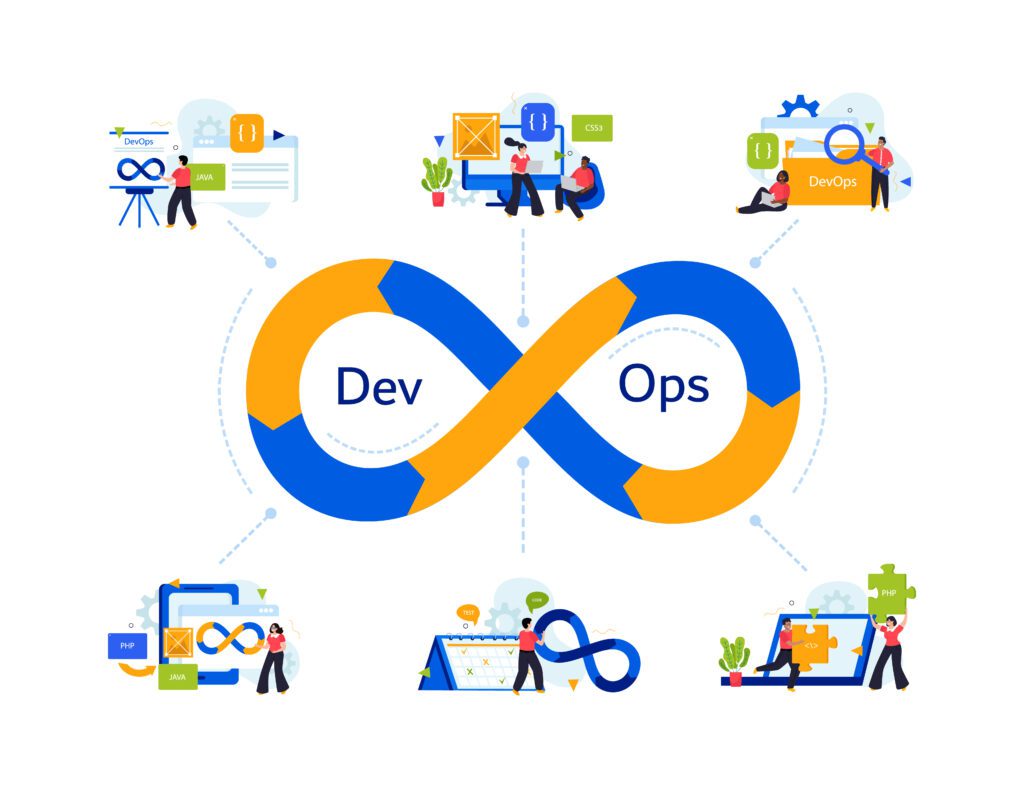
DevOps vs DevSecOps

Introduction: DevOps vs DevSecOps

In the realm of software development and IT operations, two methodologies stand out: DevOps and DevSecOps. While both aim to enhance collaboration and streamline processes, they diverge in their approach towards security integration. This article aims to dissect the disparities between DevOps and DevSecOps, shedding light on their core principles, methodologies, and benefits. By the end, readers will gain a comprehensive understanding of these methodologies and be equipped to make informed decisions for their organizations.

Understanding DevOps

What is DevOps?

DevOps, a portmanteau of Development and Operations, is a software development methodology focused on improving collaboration between software developers and IT operations teams. It emphasizes automation, continuous integration, and continuous delivery (CI/CD) pipelines to accelerate software development and deployment cycles.

Core Principles of DevOps

DevOps revolves around several core principles, including:

  • Automation: Automate repetitive tasks to increase efficiency and reduce errors.
  • Collaboration: Foster a culture of collaboration and communication between development, operations, and quality assurance teams.
  • Continuous Integration: Integrate code changes frequently to detect and resolve issues early in the development process.
  • Continuous Delivery: Ensure that software can be deployed to production at any time with minimal manual intervention.

Benefits of DevOps

The adoption of DevOps yields numerous benefits, such as:

  • Faster Time to Market: Shortened development cycles lead to quicker delivery of features and updates.
  • Improved Quality: Continuous testing and integration result in higher-quality software.
  • Enhanced Collaboration: Siloed teams break down, fostering better communication and collaboration.
  • Increased Efficiency: Automation reduces manual errors and accelerates processes.

Delving into DevSecOps

What is DevSecOps?

DevSecOps extends the principles of DevOps by integrating security practices into the software development lifecycle from the outset. It emphasizes the importance of security as a fundamental aspect of the development process rather than an afterthought.

Core Principles of DevSecOps

DevSecOps incorporates the following core principles:

  • Shift Left: Integrate security practices early in the development lifecycle, starting from the planning phase.
  • Automation of Security Tests: Automate security testing to identify vulnerabilities and weaknesses in code.
  • Culture of Security: Promote a culture where every team member is responsible for security, not just the security team.
  • Continuous Monitoring: Implement tools and processes for continuous monitoring of applications and infrastructure for security threats.

Benefits of DevSecOps

The adoption of DevSecOps offers several benefits, including:

  • Enhanced Security Posture: By addressing security concerns from the outset, organizations can better protect their systems and data.
  • Faster Incident Response: With continuous monitoring and automated security tests, organizations can detect and respond to security incidents more rapidly.
  • Compliance Readiness: DevSecOps practices help organizations maintain compliance with industry regulations and standards.
  • Improved Stakeholder Confidence: Demonstrating a commitment to security enhances trust and confidence among customers and stakeholders.

DevOps vs DevSecOps: A Comprehensive Comparison

In comparing DevOps and DevSecOps, it’s essential to highlight their key differences:

AspectDevOpsDevSecOps
FocusCollaboration between development and operations teamsIntegration of security into every phase of the development process
Security IntegrationSecurity considerations as part of the development processSecurity practices integrated from the outset, known as “shifting left”
Tools and PracticesEmphasis on automation, CI/CD pipelines, and collaboration toolsAddition of security testing tools and practices, such as static code analysis and vulnerability scanning
ResponsibilityShared responsibility among development, operations, and quality assurance teamsCollective responsibility for security among all team members, not just the security team

Conclusion

In conclusion, while both DevOps and DevSecOps aim to enhance software development processes, they diverge in their approach towards security integration. DevOps emphasizes collaboration and automation, while DevSecOps extends these principles to include security practices from the outset. Ultimately, the choice between DevOps and DevSecOps depends on organizational needs, priorities, and the level of emphasis placed on security.

FAQs

  • What are the primary differences between DevOps and DevSecOps? DevOps focuses on collaboration and automation, while DevSecOps integrates security practices from the outset.
  • How does DevSecOps improve security posture? By addressing security concerns early and integrating security practices throughout the development process, DevSecOps enhances an organization’s security posture.
  • Is DevOps outdated with the rise of DevSecOps? No, DevOps is still relevant, but organizations increasingly recognize the importance of integrating security practices, leading to the adoption of DevSecOps.
  • What role does automation play in DevSecOps? Automation streamlines security processes, enabling rapid identification and remediation of vulnerabilities while minimizing manual errors.
  • How does DevSecOps impact compliance requirements? DevSecOps helps organizations maintain compliance with industry regulations and standards by integrating security into the development process.
  • Are there any challenges associated with transitioning to DevSecOps? Transitioning to DevSecOps may require cultural shifts, additional training, and investment in security tools, but the benefits outweigh the challenges in the long run.

Final Thoughts

In today’s rapidly evolving digital landscape, prioritizing both speed and security is paramount. Whether opting for DevOps or DevSecOps, organizations must strive for a balanced approach that fosters innovation while safeguarding against potential threats.

How to Permanently Remove My AI on Snapchat: Ultimate Guide

My AI on Snapchat:

Introduction: My AI on Snapchat:

In today’s digital age, concerns about privacy and data security are at an all-time high. With the rise of artificial intelligence (AI) integration in various social media platforms, users are becoming increasingly wary of the implications it may have on their personal information. Snapchat, a popular multimedia messaging app, is no exception. Many users are seeking ways to delete their AI presence on Snapchat to regain control over their privacy. In this guide, we’ll delve into the intricacies of permanently removing your AI on Snapchat, providing you with actionable steps and insights to safeguard your privacy.

Understanding AI on Snapchat

Before diving into the deletion process, it’s essential to understand what AI entails on Snapchat. Snapchat’s AI technology is primarily used for enhancing user experience through features like facial recognition, augmented reality (AR) filters, and personalized content recommendations. While these features can be entertaining and engaging, they also involve the collection and analysis of user data, raising privacy concerns for some users.

Why Delete Your AI on Snapchat?

  • Enhanced Privacy: Removing your AI presence reduces the amount of data collected and processed by Snapchat, thereby enhancing your privacy.
  • Data Security: By eliminating your AI footprint, you reduce the risk of potential data breaches or misuse of your personal information.
  • Customized Experience: Without AI interference, you regain control over the content you see and interact with on Snapchat, ensuring a more personalized experience based solely on your preferences.

Steps to Delete Your AI on Snapchat

Step 1: Accessing Settings

To begin the deletion process, open the Snapchat app on your mobile device and navigate to your profile by tapping on your Bitmoji or profile picture in the top left corner.

Step 2: Navigating to Privacy Settings

Within your profile, locate the “Settings” gear icon in the top right corner and tap on it. From the dropdown menu, select “Privacy” to access your privacy settings.

Step 3: Managing AI Preferences

Scroll down to find the section labeled “AI Preferences” or “Data Preferences.” Here, you’ll have options to manage various AI-related features, such as facial recognition and personalized recommendations.

Step 4: Opting Out

To delete your AI presence, toggle off any AI-related features that you wish to disable. This may include facial recognition, location-based services, or personalized content recommendations.

Step 5: Confirming Deletion

After disabling the desired AI features, confirm your changes by following the on-screen prompts. Snapchat may require you to re-enter your password for security purposes.

Step 6: Verification

Once confirmed, your AI preferences will be updated, and your AI presence on Snapchat will be permanently deleted.

FAQs

  • How long does it take to delete my AI on Snapchat? The deletion process is typically instantaneous, with changes taking effect immediately upon confirmation.
  • Can I re-enable AI features after deletion? Yes, you can re-enable AI features at any time by returning to your privacy settings and toggling them back on.
  • Will deleting my AI affect my account or data? Deleting your AI presence on Snapchat will not affect your account or existing data. However, it may impact certain app features that rely on AI technology.
  • Is deleting my AI irreversible? While you can re-enable AI features, the deletion of your AI presence itself is irreversible. Once deleted, your AI data cannot be restored.
  • Does deleting my AI on Snapchat affect my friends or contacts? No, deleting your AI presence only affects your personal experience on Snapchat and does not impact your friends or contacts.
  • Are there any risks associated with deleting my AI? There are minimal risks associated with deleting your AI on Snapchat, as it primarily involves opting out of certain features rather than permanently altering your account.

Conclusion

In conclusion, deleting your AI on Snapchat is a proactive step towards safeguarding your privacy and data security. By following the outlined steps and understanding the implications, you can take control of your digital footprint on the platform. Remember, your privacy matters, and with the right knowledge and actions, you can protect it effectively.

How to Develop a Top-Notch P2P Payment App: A Comprehensive Guide

 P2P Payment App

Introduction : P2P Payment App

Welcome to the definitive guide on p2p payment app development. In today’s digital age, peer-to-peer payment apps have revolutionized the way we handle transactions, making financial exchanges quicker, safer, and more convenient than ever before. In this article, we’ll delve into the intricacies of developing a seamless p2p payment app, covering everything from initial ideation to deployment and beyond.

Understanding the Landscape

The Evolution of P2P Payments

The p2p payment app development landscape has undergone a remarkable transformation in recent years. With the advent of mobile technology and the rise of digital wallets, consumers now expect fast, secure, and user-friendly payment solutions at their fingertips.

Market Analysis and Trends

Before diving into development, it’s crucial to conduct a comprehensive market analysis. By identifying current trends, user preferences, and potential competitors, developers can gain invaluable insights that will inform every stage of the app’s creation.

Planning Your App

Defining Your Objectives

Every successful app begins with a clear set of objectives. Whether your goal is to streamline transactions, foster financial inclusivity, or capitalize on emerging markets, articulating these objectives will serve as a roadmap throughout the development process.

Identifying Key Features

When designing a p2p payment app, it’s essential to prioritize functionality. From seamless transaction processing and user authentication to robust security measures and intuitive interfaces, each feature should be meticulously planned to enhance the user experience.

Development Phase

Choosing the Right Technology Stack

Selecting the appropriate technology stack is a pivotal decision that will impact the app’s performance, scalability, and long-term viability. Whether opting for native or cross-platform development, thorough research and testing are essential to ensure compatibility and reliability across various devices and operating systems.

User Interface and Experience Design

A visually appealing and user-friendly interface is paramount in captivating and retaining users. Collaborating with experienced designers to create intuitive navigation, responsive layouts, and engaging visuals will elevate your app above the competition.

Testing and Quality Assurance

Conducting Rigorous Testing

Before launching your app into the market, rigorous testing is imperative to identify and rectify any bugs, glitches, or security vulnerabilities. Utilizing automated testing frameworks and soliciting feedback from beta testers will help ensure a smooth and seamless user experience upon release.

Deployment and Beyond

Launching Your App

With thorough testing complete, it’s time to unleash your p2p payment app into the digital marketplace. Leveraging effective marketing strategies, such as targeted advertising, influencer partnerships, and app store optimization, will maximize visibility and drive user adoption.

Continuous Improvement

The journey doesn’t end with the app’s launch – ongoing monitoring, analysis, and iteration are essential for sustained success. By soliciting user feedback, monitoring performance metrics, and implementing regular updates and enhancements, you can cultivate a loyal user base and stay ahead of the competition.

FAQs

  • How secure are p2p payment apps?
  • P2P payment apps employ advanced encryption and security protocols to safeguard user data and transactions, offering a level of security comparable to traditional banking systems.
  • What platforms can p2p payment apps be developed for?
  • P2P payment apps can be developed for a wide range of platforms, including iOS, Android, and web-based applications, ensuring compatibility across various devices and operating systems.
  • Are there any regulatory considerations for p2p payment app development?
  • Yes, developers must adhere to regulatory guidelines and compliance standards, such as Know Your Customer (KYC) and Anti-Money Laundering (AML) regulations, to ensure legal and ethical operation of the app.
  • How can I monetize my p2p payment app?
  • Monetization strategies for p2p payment apps may include transaction fees, premium features or subscriptions, targeted advertising, and strategic partnerships with financial institutions or merchants.
  • What are some best practices for user acquisition and retention?
  • Engaging in targeted marketing campaigns, offering incentives for referrals and user engagement, providing exceptional customer support, and continuously improving the app based on user feedback are key strategies for user acquisition and retention.
  • How can I ensure scalability and reliability as my user base grows?
  • By leveraging scalable infrastructure, implementing robust backend systems, and regularly monitoring performance metrics, developers can ensure that their p2p payment app remains reliable and responsive even as user demand increases.

Conclusion

In conclusion, p2p payment app development represents a lucrative opportunity for entrepreneurs and developers alike. By following the comprehensive guide outlined above and staying abreast of emerging technologies and consumer trends, you can create a cutting-edge app that revolutionizes the way people exchange money in the digital age.

The Revolutionary Impact of Artificial Intelligence on Society

The Revolutionary Impact of Artificial Intelligence on Society

Introduction : Impact of Artificial Intelligence on Society

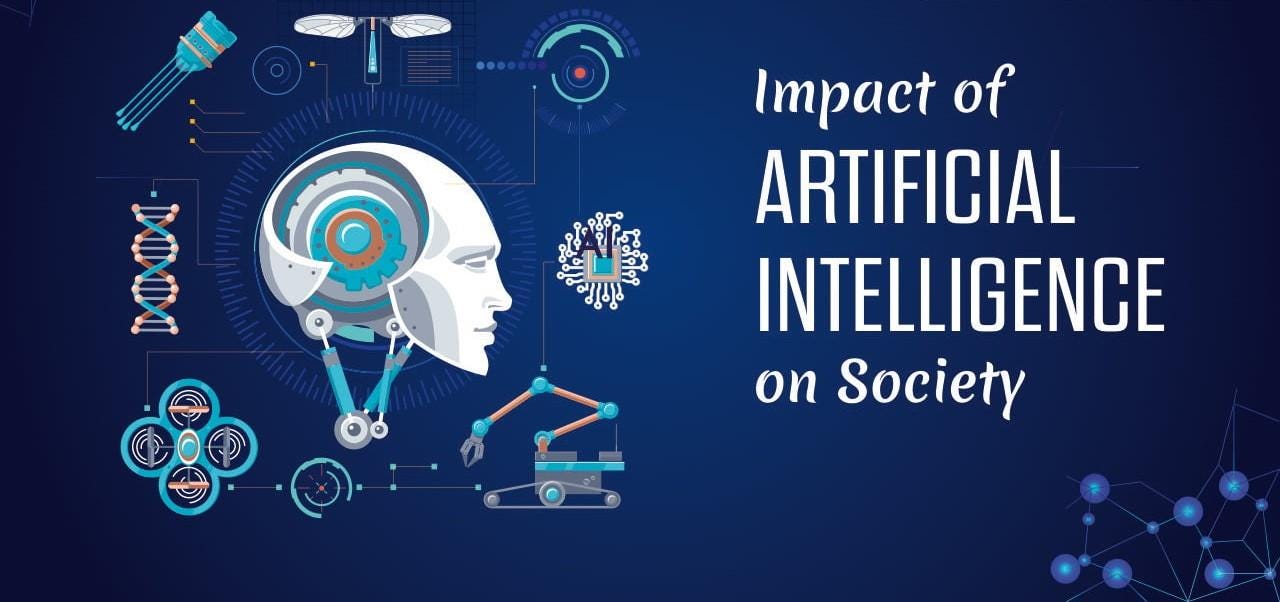
Impact of Artificial Intelligence on Society from healthcare to transportation, education to entertainment, AI is reshaping the way we live, work, and interact. This article delves into the multifaceted impacts of AI on society, exploring its implications and possibilities.

Understanding the Role of AI

Artificial Intelligence, often referred to as the “intelligence of machines,” encompasses the development of computer systems capable of performing tasks that typically require human intelligence. This includes learning, problem-solving, perception, and decision-making. AI technologies, such as machine learning, natural language processing, and robotics, enable computers to mimic cognitive functions and adapt to new information autonomously.

The Ethical Dilemmas of AI

As AI becomes more integrated into society, ethical considerations come to the forefront. Issues surrounding data privacy, algorithmic bias, and job displacement raise concerns about the ethical use of AI. Ensuring fairness, accountability, and transparency in AI systems is crucial to mitigating these ethical dilemmas and fostering trust in AI technologies.

AI in Healthcare

AI is revolutionizing healthcare by enhancing diagnostics, personalized treatment, and patient care. Machine learning algorithms analyze medical data to predict diseases, recommend treatment plans, and optimize hospital operations. AI-powered medical devices, such as wearable sensors and remote monitoring systems, enable proactive health management and early intervention.

AI in Education

In education, AI is transforming teaching and learning experiences. Adaptive learning platforms tailor educational content to individual students’ needs, fostering personalized learning journeys. Intelligent tutoring systems provide immediate feedback and adaptive instruction, enhancing student engagement and academic performance. AI also facilitates the development of innovative educational tools, such as virtual reality simulations and interactive learning environments.

AI in Transportation

The transportation industry is undergoing a seismic shift with the advent of AI-powered autonomous vehicles. Self-driving cars, trucks, and drones promise safer, more efficient transportation systems, reducing accidents and congestion. AI algorithms optimize route planning, traffic management, and vehicle performance, leading to smoother and more sustainable mobility solutions.

AI in Entertainment

In the realm of entertainment, AI is revolutionizing content creation, distribution, and consumption. Recommendation algorithms personalize content recommendations based on users’ preferences and behavior, enhancing user satisfaction and engagement. AI-generated content, such as music compositions, artworks, and virtual influencers, blurs the line between human creativity and machine intelligence, opening up new possibilities for artistic expression and entertainment.

AI in Finance

AI is reshaping the financial industry by automating processes, detecting fraud, and informing investment decisions. Predictive analytics and machine learning algorithms analyze vast amounts of financial data to identify patterns, trends, and anomalies. AI-powered chatbots and virtual assistants provide personalized financial advice and customer support, enhancing user experience and accessibility.

AI in Environmental Sustainability

Addressing global challenges such as climate change and environmental degradation requires innovative solutions, and AI is playing a crucial role in advancing environmental sustainability. AI algorithms optimize energy consumption, resource utilization, and waste management, leading to more efficient and eco-friendly practices. Remote sensing technologies, powered by AI, monitor environmental changes and biodiversity loss, enabling proactive conservation efforts and ecosystem management.

AI in Social Media

Social media platforms leverage AI to enhance user engagement, content moderation, and targeted advertising. Natural language processing algorithms analyze user-generated content to detect sentiment, trends, and emerging topics. AI-powered content recommendation systems personalize users’ news feeds and recommendations, optimizing user experience and increasing platform retention.

AI in Governance and Policy

Governments and policymakers are increasingly turning to AI to address complex societal challenges and improve public services. Predictive analytics and data-driven decision-making inform policy formulation and resource allocation, optimizing government operations and service delivery. AI-powered civic engagement platforms facilitate citizen participation and feedback, fostering transparency and accountability in governance.

Frequently Asked Questions

  • How is AI Impacting Society?
  • AI is impacting society by revolutionizing industries, enhancing efficiency, and fostering innovation across various sectors.
  • What are the Ethical Considerations of AI?
  • Ethical considerations of AI include issues related to data privacy, algorithmic bias, and job displacement, requiring careful attention and regulation.
  • How is AI Transforming Healthcare?
  • AI is transforming healthcare by improving diagnostics, personalized treatment, and patient care through advanced analytics and predictive modeling.
  • What Role Does AI Play in Education?
  • AI plays a crucial role in education by enabling personalized learning experiences, adaptive instruction, and innovative educational tools.
  • How Does AI Influence Transportation?
  • AI influences transportation by enabling autonomous vehicles, optimizing route planning, and enhancing traffic management for safer and more efficient mobility solutions.
  • What Impact Does AI Have on Entertainment?
  • AI impacts entertainment by revolutionizing content creation, distribution, and consumption through personalized recommendations and AI-generated content.

Conclusion

In conclusion, the impact of Artificial Intelligence on society is profound and far-reaching. From transforming industries and revolutionizing daily life to raising ethical considerations and societal challenges, AI presents both opportunities and challenges. Embracing AI responsibly and ethically is essential to harnessing its full potential and shaping a future where AI enriches human lives and enhances societal well-being.

Unleashing the Power of AI Voice Generator Characters

AI Voice Generator Characters

In today’s digital age, where content creation is king, leveraging AI voice generator characters has become an indispensable tool for content creators, marketers, and businesses alike. These innovative technologies have revolutionized the way we produce content, offering unparalleled efficiency, versatility, and creativity. In this comprehensive guide, we delve into the world of AI voice generator characters, exploring their benefits, applications, and how they can elevate your content strategy to new heights.

Understanding AI Voice Generator Characters

AI voice generator characters, also known as text-to-speech (TTS) software or voice synthesizers, are advanced algorithms designed to convert written text into spoken words. Utilizing cutting-edge natural language processing (NLP) and machine learning techniques, these AI-powered tools can mimic human speech with remarkable accuracy and naturalness.

The Benefits of AI Voice Generator Characters

1. Enhanced Accessibility

One of the most significant advantages of AI voice generator characters is their ability to make content more accessible to diverse audiences. By transforming written text into audio format, these tools cater to individuals with visual impairments or learning disabilities, ensuring inclusivity and equal access to information.

2. Time and Cost Efficiency

In today’s fast-paced digital landscape, efficiency is paramount. AI voice generator characters streamline the content creation process, allowing users to generate high-quality audio content in a fraction of the time it would take to record traditional voiceovers. Moreover, they eliminate the need for expensive recording equipment and professional voice actors, making them a cost-effective solution for businesses of all sizes.

3. Versatility and Customization

From podcasts and audiobooks to interactive voice responses (IVRs) and virtual assistants, the applications of AI voice generator characters are virtually limitless. These versatile tools offer a wide range of voices, accents, and languages, allowing users to tailor the audio experience to their target audience and brand identity.

4. Scalability and Consistency

Consistency is key to building a strong brand presence. AI voice generator characters ensure uniformity across all audio content, maintaining brand voice and messaging consistency across various platforms and channels. Moreover, they enable seamless scalability, allowing businesses to produce large volumes of audio content efficiently and without compromising quality.

Applications of AI Voice Generator Characters

1. Content Creation and Marketing

In the realm of content marketing, AI voice generator characters offer a myriad of opportunities to engage and captivate audiences. From narrating blog posts and social media captions to creating compelling video content and advertisements, these tools empower marketers to deliver their message in a dynamic and immersive format.

2. E-Learning and Training

In the field of education and corporate training, AI voice generator characters are invaluable assets for creating interactive and engaging learning materials. Whether it’s delivering course lectures, providing feedback on assignments, or guiding users through simulations and tutorials, these tools enhance the learning experience and facilitate knowledge retention.

3. Accessibility Solutions

For individuals with disabilities or special needs, AI voice generator characters play a crucial role in facilitating access to information and communication. Whether it’s reading text aloud, providing navigation instructions, or enabling hands-free interaction with devices and applications, these tools empower users to navigate the digital world with greater independence and autonomy.

Best Practices for Implementing AI Voice Generator Characters

1. Choose the Right Voice

When selecting an AI voice generator character, it’s essential to choose a voice that resonates with your target audience and aligns with your brand personality. Consider factors such as tone, accent, and language to ensure that the voice reflects your brand identity and enhances the overall user experience.

2. Optimize for Clarity and Naturalness

While AI voice generator characters are incredibly lifelike, they may still exhibit certain limitations in pronunciation, intonation, or cadence. To maximize clarity and naturalness, optimize your written content for spoken delivery, avoiding complex sentence structures, ambiguous phrasing, and jargon that may confuse or mislead listeners.

3. Incorporate Variation and Emotion

To maintain listener engagement and prevent monotony, incorporate variation and emotion into your audio content. Experiment with pacing, pitch, and emphasis to convey nuance and expressiveness, ensuring that your message resonates with authenticity and impact.

Embracing the Future of Content Creation

In conclusion, AI voice generator characters represent a paradigm shift in content creation, offering unparalleled efficiency, versatility, and accessibility. By harnessing the power of these innovative technologies, businesses can unlock new opportunities for engagement, creativity, and growth in the digital landscape. Whether it’s captivating audiences with compelling audio content or facilitating access to information for individuals with disabilities, the possibilities are endless.