
Economic Impact of AI in Healthcare: A Comprehensive Exploration

Economic Impact of AI in Healthcare

Introduction

Welcome to the future of healthcare, where the amalgamation of technology and medicine is redefining standards. In this article, we delve into the economic impact of AI in healthcare, exploring its transformative influence on operations, costs, and patient outcomes.

Unveiling the Role of AI in Healthcare Economics

The economic impact of AI in healthcare is profound, touching every aspect of the industry. From streamlining administrative tasks to enhancing diagnostic accuracy, AI is a catalyst for positive change. This section uncovers the various dimensions through which AI is reshaping the economic landscape of healthcare.

Redefining Administrative Efficiency

Discover how AI-driven solutions are optimizing administrative processes, reducing paperwork, and increasing overall efficiency. This not only cuts operational costs but also allows healthcare professionals to focus more on patient care.

Precision Medicine and Cost Savings

Explore the economic benefits of precision medicine facilitated by AI. By tailoring treatments based on individual patient data, healthcare providers can minimize unnecessary procedures, ultimately reducing costs and improving patient outcomes.

Transformative Technologies: A Closer Look

This section provides an in-depth exploration of the cutting-edge technologies underpinning the economic impact of AI in healthcare.

Machine Learning Algorithms in Diagnostics

Learn how machine learning algorithms are revolutionizing diagnostics, accelerating the identification of diseases and contributing to more accurate and cost-effective healthcare solutions.

Robotics in Healthcare Operations

Delve into the role of robotics in healthcare operations, from automated surgeries to efficient supply chain management. Understand how these innovations are streamlining processes and positively impacting the economic dynamics of the healthcare sector.

Economic Impact of AI in Healthcare: Real-world Examples

This segment showcases real-world examples of AI implementation in healthcare, illustrating tangible economic benefits.

Case Study: AI-powered Predictive Analytics

Explore a case study demonstrating the economic advantages of AI-driven predictive analytics in healthcare, showcasing how proactive interventions can lead to substantial cost savings.

Success Stories: Hospitals Embracing AI

Highlighting success stories of hospitals integrating AI solutions, illustrating the economic advantages, improved patient outcomes, and enhanced operational efficiency.

FAQs

How is AI reducing healthcare costs?

AI streamlines administrative tasks, enhances diagnostic accuracy, and enables precision medicine, collectively reducing healthcare costs.

What role do machine learning algorithms play in diagnostics?

Machine learning algorithms accelerate disease identification, contributing to more accurate and cost-effective healthcare solutions.

Can AI really optimize administrative processes in healthcare?

Yes, AI automates administrative tasks, reducing paperwork, and increasing overall efficiency, thereby optimizing healthcare processes.

How does robotics contribute to cost savings in healthcare?

Robotics in healthcare operations, from automated surgeries to supply chain management, streamlines processes, reducing costs and improving economic dynamics.

Are there real-world examples of AI’s economic impact in healthcare?

Yes, case studies and success stories highlight AI’s tangible economic benefits in healthcare, from predictive analytics to improved patient outcomes.

How does precision medicine, facilitated by AI, save costs?

Precision medicine, driven by AI, tailors treatments based on individual patient data, minimizing unnecessary procedures and reducing overall healthcare costs.

What challenges are associated with implementing AI in healthcare?

Implementing AI in healthcare may face challenges such as data privacy concerns, resistance to change, and the need for substantial initial investments.

Can AI enhance patient outcomes in healthcare?

Certainly, AI contributes to more accurate diagnostics, personalized treatments, and efficient healthcare operations, ultimately improving patient outcomes.

Is there a positive or negative sentiment regarding the economic impact of AI in healthcare?

Generally, the sentiment towards the economic impact of AI in healthcare is positive. AI is seen as a transformative force, improving efficiency, reducing costs, and ultimately contributing to better patient care and outcomes.

Conclusion

In conclusion, the economic impact of AI in healthcare is a transformative force, enhancing efficiency, reducing costs, and ultimately improving patient care. As we embrace these innovations, the future holds unprecedented possibilities for a healthier and economically optimized healthcare sector.


Securing Your Digital Realm: A Deep Dive into ios Application Security

ios Application Security

Introduction

Welcome to the era where digital landscapes dominate our lives, and mobile applications have become an integral part of our daily routines. In this comprehensive guide, we unravel the intricacies of ios application security. From the basics to advanced strategies, this article is your go-to resource for fortifying your iOS applications against potential vulnerabilities.

Understanding ios Application Security

In this section, we delve into the core concepts of io’s application security, exploring encryption, authentication, and secure coding practices. Learn how each element contributes to creating an impregnable shield for your iOS applications.

The Crucial Role of Encryption

Discover the power of encryption in ios application security. Uncover how robust encryption protocols can thwart unauthorized access and protect sensitive data from prying eyes.

Authentication Protocols: Guarding Access Points

Explore the various authentication protocols that form the backbone of io’s application security. From biometrics to multi-factor authentication, understand how these measures elevate your app’s defense mechanisms.

Mastering Secure Coding Practices

In this segment, we demystify the realm of secure coding. Learn the art of writing code that not only functions seamlessly but also withstands malicious attempts. Dive into best practices and coding techniques that prioritize io’s application security.

Addressing Common Vulnerabilities

No system is foolproof, but proactive measures can mitigate risks. Identify and address common vulnerabilities in io’s applications. From injection attacks to insecure data storage, equip yourself with the knowledge to patch potential loopholes effectively.

Building a Robust ios Application Security Strategy

Craft a foolproof security strategy tailored to your iOS applications. This section provides a step-by-step guide to fortifying your app, ensuring a resilient defense against evolving cyber threats.

FAQs: Demystifying ios Application Security

How does ios application security differ from other mobile platforms?

iOS application security sets itself apart through its stringent app review process and closed ecosystem, providing an additional layer of protection against malicious apps.

Can third-party app integrations compromise ios application security?

While third-party integrations can enhance functionality, it’s crucial to vet and secure them to prevent potential security breaches in your iOS applications.

What role does user education play in ios application security?

User education is paramount. Informed users are less likely to engage in risky behavior, contributing to the overall security of iOS applications.

How frequently should ios applications undergo security assessments?

Regular security assessments are essential to identify and address vulnerabilities promptly. Aim for at least bi-annual assessments to ensure ongoing protection.

Is Apple’s App Transport Security (ATS) sufficient for ios application security?

ATS provides a strong foundation, but it’s essential to complement it with additional security measures tailored to your specific app requirements.

How can developers stay updated on the latest ios application security trends?

Engage with the developer community, attend conferences, and follow reputable sources to stay abreast of the ever-evolving landscape of ios application security.

Conclusion

As we conclude our journey into io’s application security, remember that a robust defense requires a combination of knowledge, proactive measures, and constant adaptation. Safeguarding your iOS applications is an ongoing commitment to protect both your users and your digital reputation.

How to Build E-commerce Mobile App: A Comprehensive Guide

E-commerce Mobile App

Introduction: E-commerce Mobile App

In the dynamic landscape of online business, having a robust Ecommerce Mobile App is no longer a luxury but a necessity. This comprehensive guide will walk you through the process of building a powerful app that not only enhances user experience but also boosts your business’s bottom line.

1. Understanding the Ecommerce Mobile App Landscape

Embark on your journey by comprehending the ever-evolving world of Ecommerce Mobile Apps. Explore current trends, user expectations, and the competitive market to lay a strong foundation for your app development.

2. Strategizing Your App Development

Before diving into coding, strategize your app development process. A well-thought-out strategy is key to a successful Ecommerce Mobile App.

3. Choosing the Right Platform

Delve into the pros and cons of different platforms for mobile app development. Whether it’s iOS, Android, or a cross-platform solution, make an informed decision that aligns with your business objectives.

4. Designing a User-Friendly Interface

User experience is paramount. Explore the principles of mobile app design, focusing on intuitive navigation, visually appealing layouts, and a seamless flow that keeps users engaged and satisfied.

5. Integrating Secure Payment Gateways

Security is non-negotiable in Ecommerce. Learn how to integrate secure payment gateways, ensuring a safe and trustworthy transaction environment for your customers.

6. Optimizing App Performance

Discover tips for optimizing your app’s performance, from efficient coding practices to minimizing load times. A smooth-running app enhances user satisfaction and encourages repeated usage.

7. Implementing Robust Ecommerce Features

Explore the must-have features for your Ecommerce Mobile App, such as product catalogs, shopping carts, and personalized user accounts. Tailor these features to meet your specific business needs.

8. Testing and Quality Assurance

Before launching your app, rigorous testing is essential. Learn the importance of quality assurance, including beta testing, bug fixing, and ensuring compatibility across various devices.

9. Effective Marketing Strategies for App Launch

A successful app launch requires strategic marketing. Uncover effective marketing strategies to create buzz, attract initial users, and propel your app into the spotlight.

10. Continuous Improvement and Updates

The journey doesn’t end at the app launch. Understand the significance of continuous improvement through user feedback, analytics, and timely updates to stay ahead in the competitive app market.

How to Build Ecommerce Mobile App:

Embarking on the journey of building an Ecommerce Mobile App can be both exciting and challenging. From conceptualization to execution, every step plays a crucial role in ensuring your app’s success. Let’s delve into the key components of the app-building process:

Conceptualization:

Before delving into the technical aspects, clearly define the purpose and goals of your Ecommerce Mobile App. Identify your target audience, unique selling points, and the overall user experience you aim to provide.

Platform Selection:

Consider factors such as user demographics, market share, and development costs. Whether it’s iOS, Android, or both, this decision will impact your app’s reach.

User Interface Design:

Craft an intuitive and visually appealing user interface. Prioritize user experience with easy navigation, clear calls-to-action, and a design that resonates with your brand identity.

Development and Coding:

Select a development approach based on your budget and requirements. Whether native, cross-platform, or hybrid, ensure your coding follows best practices for efficiency and scalability.

Testing and Quality Assurance:

Thoroughly test your app across devices and operating systems. Identify and rectify any bugs or glitches, ensuring a seamless user experience.

Launch and Marketing:

Create a buzz around your app launch with a well-planned marketing strategy. Utilize social media, influencer partnerships, and other channels to reach your target audience.

Post-Launch Optimization:

Regularly update your app to fix issues, add new features, and stay competitive in the market.

FAQs:

Q: Can I build an Ecommerce Mobile App on a tight budget? Absolutely! By prioritizing features, using cost-effective development approaches, and exploring open-source solutions, you can create a successful app within budget constraints.

Q: What role does user feedback play in app development? User feedback is invaluable for identifying usability issues, understanding user preferences, and making informed updates. Regularly gather and analyze feedback to enhance your app’s performance.

Q: Is cross-platform development a better choice than native development? The choice depends on your specific requirements. Cross-platform development offers cost efficiency, while native development provides a more tailored user experience.

Q: How can I ensure the security of user data in my Ecommerce Mobile App? Implement robust security measures, including encrypted connections, secure authentication processes, and regular security audits. Prioritize user data protection to build trust among your customers.

Q: What marketing strategies work best for app launches? Utilize a multi-channel approach, including social media campaigns, influencer collaborations, email marketing, and app store optimization. Building anticipation and creating a buzz are key to a successful launch.

Q: How often should I update my Ecommerce Mobile App? Regular updates are crucial to fix bugs, introduce new features, and adapt to changing market trends. Aim for at least quarterly updates to keep your app relevant and engaging.

Conclusion:

Building a successful Ecommerce Mobile App requires a strategic approach, attention to detail, and a commitment to continuous improvement. By following this comprehensive guide, you’ll be well-equipped to navigate the complexities of app development and create a standout mobile experience for your customers.

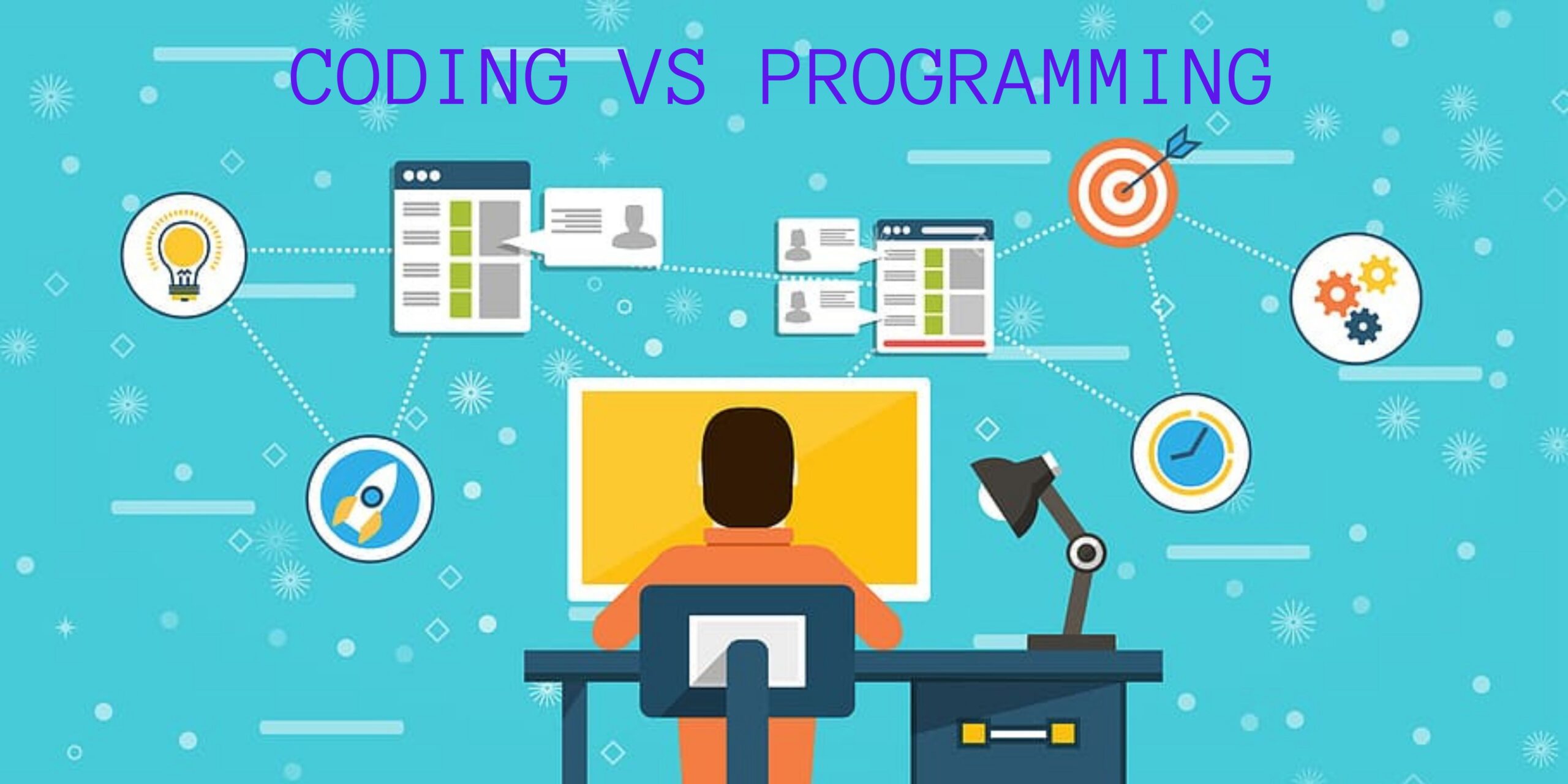
Coding vs Programming: Decoding the Distinctions

Coding vs Programming

Introduction: Coding vs Programming

In the vast realm of technology, the terms “coding” and “programming” are often used interchangeably, creating confusion among enthusiasts and beginners alike. Let’s embark on a journey to dissect these concepts, explore their differences, and appreciate their unique roles in the digital landscape.

Unveiling the Basics

Defining Coding and Programming

Breaking down the fundamentals, coding is the process of translating human-readable instructions into a machine-understandable language. On the other hand, programming encompasses a broader spectrum, involving problem-solving, algorithm creation, and software development.

Coding vs Programming: A Semantic Analysis

Dive into the linguistic nuances that set coding apart from programming. While coding is akin to writing simple commands, programming encapsulates the entire process of software development, demanding a more comprehensive skill set.

Navigating the Terrain

The Coding Odyssey

Embark on the fascinating journey of coding, where every line is a stroke of creativity. Unravel the secrets of crafting elegant and efficient code snippets, fostering a deep appreciation for the artistry involved.

Programming Prowess: Beyond the Syntax

Delve into the multifaceted world of programming, where problem-solving and logical thinking take center stage. Explore the intricacies of designing algorithms, debugging code, and creating robust software solutions.

Mastering the Craft

Coding Mastery: An Artistic Endeavor

Unlock the secrets of becoming a proficient coder. From mastering programming languages to embracing creativity in problem-solving, delve into the key attributes that define a coding maestro.

Programming Wizards: Architects of the Digital Realm

Meet the wizards behind the digital curtain—programmers. Discover the skills, methodologies, and mindset required to sculpt innovative and scalable software architectures.

Demystifying Common Myths

Myth 1: Coding is Child’s Play

Challenge the misconception that coding is a simplistic task. Unravel the complexity behind seemingly straightforward code, showcasing the intellectual depth involved in even the most elementary tasks.

Myth 2: Programming is Only for Geniuses

Demystify the myth that programming is an exclusive realm for geniuses. Explore how dedication, practice, and a problem-solving mindset can transform anyone into a proficient programmer.

Coding vs Programming: A Real-World Perspective

Coding in Action: Realizing Creative Visions

Step into the shoes of a coder and witness how seemingly abstract lines of code materialize into interactive websites, captivating games, and transformative applications.

Programming Marvels: Shaping the Digital Future

Explore the impact of programming on technological advancements. From artificial intelligence to virtual reality, understand how programming shapes the future of innovation.

FAQs

What is the primary difference between coding and programming?

Coding involves translating instructions into machine-readable code, while programming encompasses a broader range of activities, including problem-solving and software development.

Can anyone become a proficient coder or programmer?

Absolutely. Dedication, practice, and a problem-solving mindset are key ingredients for success in coding and programming.

Is coding a creative endeavor?

Indeed. Coding is not just about syntax; it’s a form of creative expression where every line contributes to a larger digital canvas.

How does programming contribute to technological innovation?

Programming is the driving force behind technological marvels, influencing everything from artificial intelligence to virtual reality.

Are coding and programming interchangeable terms?

While often used interchangeably, coding is a subset of programming, focusing specifically on translating human instructions into machine code.

Can coding be considered an art form?

Certainly. Coding involves creativity, problem-solving, and a unique approach to building functional and aesthetically pleasing digital solutions.

Coding vs Programming Chart

AspectCodingProgramming
DefinitionTranslating human-readable instructionsBroader spectrum, including problem-solving and development
ScopeLimited to writing code snippetsEncompasses entire software development process
CreativityArtistic expression in code craftingLogical thinking and problem-solving
ExpertiseProficiency in programming languagesArchitecting innovative and scalable software solutions
Common MisconceptionsPerceived as child’s playSeen as exclusive to geniuses
Real-world ImpactMaterializes into interactive websitesShapes technological advancements, from AI to VR

Conclusion

In conclusion, the realms of coding and programming, though interconnected, hold distinct roles in the digital domain. Embrace the nuances, hone your skills, and unlock the potential to create digital wonders. Whether you’re a coder crafting elegant lines or a programmer shaping the future, the journey is bound to be both challenging and immensely rewarding.

High-Level Programming Languages: Bridging the Digital Realm

High-Level Programming Languages

I. Introduction

Definition of High-Level Programming Languages

High-level programming languages are designed for human readability and ease of use, allowing programmers to write code in a more natural and intuitive manner. Unlike low-level languages, such as assembly or machine code, high-level languages abstract away complex details, making coding more accessible to a broader audience.

Brief History of High-Level Programming Languages

The journey of high-level programming languages dates back to the mid-20th century when the first languages like Fortran and Lisp were developed. Over the years, these languages have evolved, giving rise to a diverse range of tools that cater to different needs and domains.

Importance in the Digital Era

In today’s digital landscape, high-level programming languages play a pivotal role in software development, enabling faster prototyping, efficient code maintenance, and seamless collaboration among developers.

II. Characteristics of High-Level Programming Languages

Readability and Ease of Use

One of the primary characteristics of high-level languages is their emphasis on readability. Languages like Python and Ruby are known for their clean syntax, making it easier for developers to understand and modify code.

Abstraction and Efficiency

High-level languages provide a level of abstraction that allows programmers to focus on solving problems rather than dealing with low-level details. This abstraction contributes to code efficiency and reduces the likelihood of errors.

Portability Across Platforms

Portability is a key feature of high-level languages, allowing code to run on different platforms with minimal modifications. This portability is crucial in a world where diverse devices and operating systems coexist.

III. Popular High-Level Programming Languages

Python

Known for its simplicity and versatility, Python has become a go-to language for beginners and professionals alike. Its extensive libraries and frameworks make it suitable for a wide range of applications, from web development to data science.

Java

Java’s “write once, run anywhere” philosophy has made it a robust choice for building cross-platform applications. Its strong community support and scalability contribute to its popularity.

C++

Combining the power of low-level programming with high-level abstractions, C++ is widely used in systems programming, game development, and performance-critical applications.

JavaScript

As the language of the web, JavaScript enables interactive and dynamic web pages. Its integration with HTML and CSS makes it a fundamental tool for front-end development.

IV. Evolution and Trends in High-Level Programming Languages

Object-Oriented Programming

The evolution of high-level languages has seen a shift towards object-oriented programming (OOP). Languages like Java and C# embrace OOP principles, enhancing code organization and modularity.

Functional Programming

Functional programming languages, such as Haskell and Scala, focus on immutability and declarative code. This paradigm shift offers new ways of approaching problem-solving and parallel processing.

Low-Code and No-Code Development

In recent years, the rise of low-code and no-code platforms has simplified application development, allowing individuals with minimal coding experience to create software solutions.

V. Advantages of Using High-Level Programming Languages

Faster Development Cycles

High-level languages promote rapid development cycles, enabling programmers to bring ideas to fruition more quickly. This agility is crucial in today’s fast-paced tech environment.

Increased Productivity

The abstraction provided by high-level languages reduces the amount of code needed to perform tasks, leading to increased productivity. Developers can achieve more with fewer lines of code.

Enhanced Code Readability and Maintainability

The clean syntax and structure of high-level languages contribute to code readability, making it easier for multiple developers to collaborate on projects. This readability also facilitates future maintenance and updates.

VI. Challenges and Criticisms

Performance Concerns

While high-level languages offer abstraction and productivity, concerns about performance persist. Performance-intensive applications may still benefit from low-level languages to achieve optimal execution speed.

Learning Curve for Beginners

Some beginners find the learning curve of high-level languages steep, especially when transitioning from simpler languages. However, the abundance of online resources and tutorials helps ease this initial challenge.

Compatibility Issues with Certain Systems

High-level languages may face compatibility issues with specific systems or hardware configurations. Addressing these challenges often requires additional effort from developers.

VII. The Role of High-Level Programming Languages in Industry

Applications in Web Development

High-level languages like JavaScript, Python, and Ruby dominate web development, powering interactive and dynamic websites. Frameworks like React and Django further streamline the development process.

Usage in Artificial Intelligence and Machine Learning

Python’s widespread adoption in the field of artificial intelligence and machine learning showcases the versatility of high-level languages. Libraries like TensorFlow and PyTorch facilitate complex computations and model training.

Impact on Software Development and Innovation

The accessibility and efficiency of high-level languages have fueled innovation in software development, leading to the creation of diverse applications, from mobile apps to enterprise solutions.

VIII. Learning High-Level Programming Languages

Online Resources and Courses

Numerous online platforms offer courses and tutorials for learning high-level languages. Websites like Codecademy and Udacity provide interactive learning experiences for beginners and advanced users.

Practical Projects and Coding Exercises

Hands-on experience is crucial in mastering high-level languages. Engaging in practical projects and coding exercises helps solidify theoretical knowledge and develop problem-solving skills.

Importance of Hands-On Experience

While theoretical understanding is essential, hands-on experience is paramount. Building real-world projects allows developers to apply their knowledge, troubleshoot issues, and gain confidence in their coding abilities.

IX. Future Prospects and Emerging Technologies

Role of High-Level Languages in Upcoming Technologies

As technology advances, high-level languages will continue to play a vital role in emerging fields like quantum computing, augmented reality, and blockchain. Their adaptability positions them as foundational tools for the future.

Integration with Emerging Fields

High-level languages will likely integrate seamlessly with emerging technologies, providing developers with the flexibility to explore new frontiers in programming and problem-solving.

Potential Advancements and Breakthroughs

The future holds exciting possibilities for high-level programming languages, with potential advancements in language design, optimization techniques, and new paradigms that push the boundaries of what is possible.

X. Conclusion

In conclusion, high-level programming languages have become the bedrock of modern software development. Their evolution, adaptability, and advantages make them indispensable tools for programmers worldwide. Whether you are a seasoned developer or a beginner, exploring high-level languages opens up a world of possibilities for innovation and problem-solving.

FAQs

  1. Are high-level programming languages suitable for beginners?
    • Yes, many high-level languages, such as Python, are known for their simplicity and are considered ideal for beginners.
  2. How do high-level languages impact the performance of applications?
    • While high-level languages offer productivity, performance-intensive applications may require optimization using low-level languages.
  3. What are the key trends in high-level programming languages today?
    • Object-oriented programming, functional programming, and the rise of low-code and no-code development are significant trends.
  4. Can high-level languages be used for developing mobile applications?
    • Yes, high-level languages like Swift (for iOS) and Kotlin (for Android) are widely used in mobile app development.
  5. What role do high-level languages play in artificial intelligence and machine learning?
    • High-level languages, particularly Python, are extensively used for AI and machine learning development due to their versatility and extensive libraries.

Unleashing the Power of SQL Server Data Tools for Seamless Development and Management

SQL Server Data Tools

In the ever-evolving landscape of data management, SQL Server Data Tools (SSDT) emerges as a pivotal force, providing developers and administrators with a robust suite of features for efficient development, deployment, and management of SQL Server databases. In this comprehensive guide, we delve into the intricacies of SSDT, exploring its functionalities and demonstrating how it stands as a game-changer in the realm of database solutions.

Understanding the Essence of SQL Server Data Tools

What is SQL Server Data Tools?

SQL Server Data Tools is an integrated development environment (IDE) that empowers developers to design, develop, and manage SQL Server databases seamlessly. It integrates with Visual Studio, offering a familiar and powerful environment for database development.

Key Features and Capabilities

Schema Comparison and Synchronization

One of the standout features of SSDT is its Schema Comparison and Synchronization capabilities. Developers can effortlessly compare database schemas, identify disparities, and synchronize changes with unparalleled ease.

Data-tier Applications

SSDT introduces the concept of data-tier applications (DAC), enabling the packaging of database schema and related objects into a single unit. This facilitates streamlined deployment and version control, elevating the efficiency of database development.

Advanced Debugging and Testing

With SSDT, developers can conduct advanced debugging and testing directly within the IDE. This includes the ability to simulate real-world scenarios, ensuring robustness and reliability in the final deployment.

The Seamless Development Workflow with SQL Server Data Tools

Efficient Database Design

SSDT offers an intuitive interface for designing databases. Developers can create and modify tables, views, stored procedures, and more, with real-time feedback on the potential impact of changes.

Version Control Integration

In the collaborative world of software development, version control is paramount. SSDT seamlessly integrates with popular version control systems like Git, providing a smooth collaborative experience for development teams.

Automated Build and Deployment

Streamline your development process with SSDT’s automated build and deployment capabilities. This ensures consistency and reduces the risk of errors during the deployment phase.

Overcoming Challenges with SQL Server Data Tools

Addressing Performance Concerns

Some users may express concerns about performance bottlenecks while working with SSDT. However, judicious optimization of project settings and leveraging SSDT’s built-in performance tuning features can mitigate these challenges effectively.

Navigating Compatibility Issues

In a diverse IT environment, compatibility concerns may arise. SSDT addresses this by providing flexible options for managing compatibility levels, ensuring smooth collaboration across different SQL Server versions.

Staying Ahead in the Data Management Game

Continuous Updates and Improvements

Microsoft, the driving force behind SQL Server Data Tools, consistently rolls out updates and improvements. Staying abreast of these enhancements ensures that developers leverage the latest features and optimizations for an unparalleled database development experience.

Community Support and Resources

The thriving SSDT community serves as a valuable resource for developers seeking guidance and solutions to specific challenges. Engaging with this community fosters knowledge-sharing and enhances your proficiency with SSDT.

Top 5 FAQs About SQL Server Data Tools

1. What is SQL Server Data Tools (SSDT), and how does it differ from SQL Server Management Studio (SSMS)?

SQL Server Data Tools is an integrated development environment (IDE) specifically designed for database developers to design, develop, and manage SQL Server databases. While SSMS focuses on administration tasks and query execution, SSDT is tailored for the end-to-end development lifecycle, providing a dedicated space for schema design, debugging, and version control.

2. How does SSDT streamline the database development process?

SSDT streamlines the development process by integrating seamlessly with Visual Studio, offering a familiar interface for developers. It supports advanced features such as schema comparison and synchronization, data-tier applications for packaging database schema, and automated build and deployment. These capabilities enhance collaboration, version control, and ensure the reliability of the developed databases.

3. Can SSDT handle performance optimization, and how does it address compatibility issues across SQL Server versions?

Yes, SSDT provides tools for performance optimization, allowing developers to fine-tune their projects for efficiency. Additionally, it offers flexibility in managing compatibility levels, enabling smooth collaboration across different SQL Server versions. Users can navigate potential performance bottlenecks by optimizing project settings and utilizing built-in performance tuning features.

4. How does SSDT contribute to efficient debugging and testing of database applications?

SSDT facilitates advanced debugging and testing directly within the IDE. Developers can simulate real-world scenarios, identify issues early in the development process, and ensure the robustness of their database applications. This integrated testing environment enhances the overall quality of the developed databases.

5. What resources are available for support and continuous learning about SSDT?

Microsoft maintains an active and supportive community around SSDT, offering a wealth of resources for developers. Continuous updates and improvements are rolled out, keeping users informed about the latest features and optimizations. Engaging with the SSDT community, exploring documentation, and participating in forums contribute to a rich learning experience and effective problem-solving.

Conclusion

In conclusion, SQL Server Data Tools emerges as a pivotal tool in the arsenal of database developers and administrators. Its seamless integration with Visual Studio, robust features, and continuous improvements make it a go-to solution for efficient database development and management.

YouTube Play Button PNG : Unveiling Visual Excellence

YouTube Play Button PNG
3D rounded square with glossy Youtube logo

Introduction:

Welcome to the realm of YouTube Play Button PNG, where visual excellence meets content creation. In this comprehensive guide, we’ll unravel the intricacies of YouTube Play Button PNG, offering insights, tips, and a roadmap to enhance your content’s visual appeal.

The Evolution of YouTube Play Button PNGs: A Visual Journey

Embark on a visual journey as we explore the evolution of YouTube Play Button PNGs. From humble beginnings to the current iconic designs, each play button tells a story of success and creativity.

Crafting Your Brand with YouTube Play Button PNG

Unleash the power of personal branding with YouTube Play Button PNGs. Learn how to tailor these visual elements to reflect your brand identity, making your content instantly recognizable in the vast digital landscape.

Optimizing YouTube Play Button PNG for Thumbnails

Discover the art of thumbnail optimization using YouTube Play Button PNGs. Elevate your click-through rates and captivate your audience with enticing visuals that leave a lasting impression.

Incorporating YouTube Play Button PNG in Video Intros

Transform your video intros with the strategic inclusion of YouTube Play Button PNGs. Capture your audience’s attention from the first frame, setting the stage for engaging and memorable content.

Utilizing LSI Keywords for YouTube Play Button PNG: A Tactical Approach

Unveil the secrets of leveraging Latent Semantic Indexing (LSI) Keywords seamlessly within your YouTube Play Button PNG content. Enhance discoverability and watch your content soar to new heights.

FAQs: Decoding Your Queries

What is the significance of a YouTube Play Button PNG?

Unlock insights into the symbolic importance of YouTube Play Button PNGs and how they contribute to the overall success of content creators.

How can I customize my YouTube Play Button PNG?

Dive into the customization options available, empowering you to tailor your Play Button PNG to align seamlessly with your brand identity.

Are there copyright considerations for using YouTube Play Button PNGs?

Navigate the copyright landscape confidently as we address common concerns related to the use of YouTube Play Button PNGs in your content.

Can YouTube Play Button PNGs impact my channel’s growth?

Explore the potential impact of strategically incorporating Play Button PNGs on your channel’s growth trajectory and audience engagement.

Where can I find high-quality YouTube Play Button PNGs for free?

Discover reliable sources offering high-quality, free-to-use YouTube Play Button PNGs, ensuring your content stands out without breaking the bank.

Is it advisable to change my Play Button PNG regularly?

Gain insights into the pros and cons of updating your Play Button PNG regularly and find the balance that aligns with your content strategy.

Conclusion: Elevate Your Content with YouTube Play Button PNG

As we conclude this journey through the world of YouTube Play Button PNGs, remember that these visual elements are more than symbols; they are gateways to content excellence. Elevate your content, captivate your audience, and let your creativity shine through the iconic YouTube Play Button PNG.

How to Make Pinocchio in Little Alchemy 2

How to Make Pinocchio in Little Alchemy 2

Pinocchio in Little Alchemy 2 is a captivating online game where players combine different elements to create new ones. One of the intriguing characters that players often strive to produce is Pinocchio, the beloved wooden puppet who dreams of becoming a real boy. In this article, we’ll explore the enchanting process of making Pinocchio within the realms of Little Alchemy 2.

Getting Started with Little Alchemy 2

Before delving into the intricacies of creating Pinocchio, let’s acquaint ourselves with the fundamentals of Little Alchemy 2. The game operates on a simple premise: combining various elements to form new ones. Players start with a handful of basic elements, such as air, fire, earth, and water, and gradually unlock more complex ones through experimentation and synthesis.

Understanding Pinocchio

Who is Pinocchio?

Pinocchio is a fictional character created by Italian author Carlo Collodi. He is a wooden puppet brought to life by the kind-hearted toymaker Geppetto. Throughout his adventures, Pinocchio learns valuable lessons about honesty, bravery, and the consequences of his actions.

The story behind Pinocchio

Pinocchio’s tale is one of transformation and self-discovery. Originally crafted as a puppet, he yearns to become a real boy and embarks on a journey filled with whimsical encounters and moral challenges.

How to Make Pinocchio in Little Alchemy 2

Symbolism and themes in Pinocchio

Pinocchio’s story is rich with symbolism, touching on themes of childhood, innocence, and the pursuit of one’s identity. His wooden exterior symbolizes his initial naivety and lack of autonomy, while his desire to become human reflects the universal longing for belonging and self-realization.

Making Pinocchio in Little Alchemy 2

Creating Pinocchio in Little Alchemy 2 requires careful manipulation of various elements to bring the wooden puppet to life. Here’s a step-by-step guide to achieving this feat:

Step 1: Wood element

Begin by combining the earth and fire elements to create wood. Wood serves as the foundational material for crafting Pinocchio’s puppet form.

Step 2: Life element

Next, infuse the wood with the essence of life by combining it with the air element. This infusion represents the moment when Pinocchio transitions from an inanimate object to a living being.

Step 3: Human element

To further humanize Pinocchio, merge the life-infused wood with the human element. This step imbues Pinocchio with human characteristics and emotions.

Step 4: Animation element

Animate Pinocchio by combining the humanized wood with the animation element. This infusion grants Pinocchio the ability to move, speak, and interact with his surroundings.

Step 5: Pinocchio element

Finally, merge the animated wood with the essence of storytelling to create Pinocchio himself. This culmination represents the completion of Pinocchio’s transformation into a fully realized character within the game.

Tips and tricks for successful synthesis

  • Experiment with different combinations to unlock new elements and possibilities.
  • Pay attention to the reactions between elements to uncover hidden formulas.
  • Don’t be afraid to backtrack or start over if a synthesis doesn’t yield the desired result.

Exploring Pinocchio’s World

Once you’ve successfully created Pinocchio, delve deeper into his world by exploring additional elements related to his story. From Geppetto’s workshop to the bustling streets of his fictional village, there are countless combinations to discover and enjoy.

Conclusion

In conclusion, making Pinocchio in Little Alchemy 2 is a rewarding and enchanting experience that highlights the creativity and imagination inherent in the game. By following the steps outlined in this article, players can bring this iconic character to life within the digital realm, adding a touch of magic to their gameplay.


FAQs

Q: Can Pinocchio be created with any other elements? A: While the steps outlined in this article provide a reliable method for creating Pinocchio, players are encouraged to experiment with different combinations to uncover alternative pathways.

Q: Are there any variations of Pinocchio in the game? A: While the classic depiction of Pinocchio is the most well-known, some players have reported discovering variations or adaptations of the character within Little Alchemy 2.

Q: What happens after creating Pinocchio in Little Alchemy 2? A: Once Pinocchio is successfully synthesized, players can interact with him like any other element in the game. His presence may unlock new combinations or narrative possibilities.

Q: Can Pinocchio interact with other elements? A: Yes, Pinocchio can interact with a wide range of elements within Little Alchemy 2, leading to unique reactions and outcomes.

Q: Is Pinocchio a rare element in the game? A: While Pinocchio is not considered a rare element, his creation requires specific combinations and careful synthesis, making him a coveted achievement for many players.

How to Make Golem in Little Alchemy 2

Golem in Little Alchemy 2

Golem in Little Alchemy 2 is a fascinating game that allows players to combine different elements to create new ones. It’s a game of experimentation and discovery, where you can unleash your creativity to uncover all sorts of interesting combinations. One such combination is the creation of a Golem, a mythical creature often depicted as a humanoid figure made from inanimate matter, such as stone or clay, and brought to life through magical means.

What is a Golem?

In folklore and mythology, a Golem is an artificial being that is animated through mystical rituals or magical incantations. Often depicted as a protector or servant, the Golem is typically made from materials such as clay, stone, or metal. In the context of Little Alchemy 2, creating a Golem involves combining specific elements to mimic the process of animating an inanimate object.

Understanding the Golem in Little Alchemy 2

In Little Alchemy 2, the Golem is a unique creation that requires the combination of two fundamental elements: Stone and Life. By bringing these elements together, players can simulate the process of imbuing life into an otherwise inert substance, resulting in the creation of a Golem.

Golem in Little Alchemy 2

Basic Elements Required

Stone

Stone is a primary element in Little Alchemy 2, representing the solid, mineral material found in the game’s environment. To create Stone, players need to combine specific elements, such as Earth and Fire, or Lava and Earth.

Life

Life is another essential element in Little Alchemy 2, symbolizing vitality and animation. To create Life, players typically combine elements related to organic matter, such as Human and Plant, or Energy and Swamp.

Step-by-Step Guide to Making a Golem

Step 1: Creating Stone

To begin the process of making a Golem, players must first create Stone. This can be achieved by combining elemental ingredients that represent solidity and mineral composition. Experiment with combinations until you successfully generate Stone.

Step 2: Infusing Life

Once you have obtained Stone, the next step is to infuse it with Life. This involves combining the Stone element with ingredients that represent vitality and animation. Explore different combinations until you discover the right formula for creating Life.

Step 3: Combining Stone and Life

With both Stone and Life in your inventory, it’s time to bring them together to form the Golem. Combine the Stone and Life elements, and watch as your creation comes to life before your eyes. Congratulations! You have successfully made a Golem in Little Alchemy 2.

Additional Tips and Tricks

  • Experiment with different combinations to discover alternative methods of creating a Golem.
  • Utilize hints provided within the game to guide your experimentation process.
  • Don’t be afraid to think outside the box and try unconventional combinations.

Common Mistakes to Avoid

  • Mixing incompatible elements that result in failure or unintended consequences.
  • Overlooking subtle clues or hints provided within the game’s interface.
  • Neglecting to save your progress regularly to avoid losing valuable discoveries.

Exploring Golem’s Possibilities

Once you have successfully created a Golem, the possibilities are endless. Experiment with your creation to see how it interacts with other elements in the game. Use your imagination to invent unique scenarios and stories involving your Golem companion.

Conclusion

Creating a Golem in Little Alchemy 2 is a rewarding experience that encourages creativity and exploration. By following the steps outlined in this guide and experimenting with different combinations, you can unlock the secrets of this mythical creature and unleash its potential in the game world.

FAQs

  1. Can you make a Golem using different elements?
    • Yes, players can experiment with various combinations to create a Golem using alternative ingredients.
  2. What happens if you fail to create a Golem?
    • Failing to create a Golem simply means that the combination you tried was unsuccessful. Keep experimenting until you find the right formula.
  3. Can Golems interact with other elements in the game?
    • Yes, Golems can interact with other elements in Little Alchemy 2, leading to new discoveries and possibilities.
  4. Are there any shortcuts to making a Golem?
    • While there are no shortcuts, utilizing hints and clues within the game can help guide players toward successful combinations.
  5. What other mythical creatures can you create in Little Alchemy 2?
    • Little Alchemy 2 features a wide range of mythical creatures and objects that players can create through experimentation and discovery.

How to Make a Killer Robot in Little Alchemy 2

How to Make a Killer Robot in Little Alchemy 2

In the world of Little Alchemy 2, where imagination knows no bounds, creating a killer robot can be both thrilling and challenging. But fear not, as with the right ingredients and a dash of creativity, you’ll soon be commanding your very own robotic menace. Let’s dive into the process step by step of creating killer robot in Little Alchemy 2.

Introduction to Little Alchemy 2

Little Alchemy 2 is a popular puzzle game where players combine different elements to create new ones. It’s a game of experimentation and discovery, where the possibilities are endless.

What is a Killer Robot?

A killer robot, in the context of Little Alchemy 2, is a creation that combines mechanical and lethal elements to form a robotic entity capable of wreaking havoc.

Basics of Little Alchemy 2 Gameplay

Before diving into creating a killer robot, it’s essential to understand the basics of the game. Players start with a few basic elements and combine them to unlock new ones, gradually building their inventory of items.

How to Make a Killer Robot in Little Alchemy 2

Ingredients Needed for Making a Killer Robot

To create a killer robot, you’ll need specific elements that embody the essence of both machinery and destruction. Some essential ingredients include:

  • Metal
  • Electricity
  • Weapon
  • Robot

Step-by-Step Guide to Making a Killer Robot in Little Alchemy 2

Combining Basic Elements

Start by combining basic elements like metal and electricity to lay the foundation for your robot’s construction.

Obtaining Energy

Ensure your robot has a power source by incorporating elements that provide energy, such as battery or lightning.

Creating Metal

If you haven’t already obtained metal, combine earth and fire elements to forge the metallic components of your robot.

Assembling the Robot

Combine the metal, energy source, weapon, and robot elements to assemble your killer robot. Experiment with different combinations until you achieve the desired outcome.

Tips and Tricks for Successful Creation

  • Be patient and persistent, as creating a killer robot may require several attempts.
  • Take note of successful combinations to streamline the process in future playthroughs.
  • Don’t be afraid to experiment with different variations to discover unique features for your robot.

Experimenting with Variations

Once you’ve mastered the art of creating a basic killer robot, don’t hesitate to experiment with variations. Try incorporating different elements or tweaking the proportions to customize your creation.

Understanding the Functionality of the Killer Robot

After creating your killer robot, take the time to understand its functionality. Experiment with its abilities and observe how it interacts with other elements in the game.

Safety Measures and Precautions

While creating killer robots in Little Alchemy 2 is all fun and games, it’s essential to exercise caution. Remember that it’s just a game, and real-life safety should always come first.

Conclusion

In conclusion, creating a killer robot in Little Alchemy 2 is a thrilling endeavor that allows players to unleash their creativity. By following the steps outlined above and experimenting with different combinations, you’ll soon have a robotic menace at your command.

FAQs on Making Killer Robot in Little Alchemy 2

  1. Can I create a killer robot using only basic elements?
    • While it’s possible, incorporating more advanced elements will enhance your robot’s capabilities.
  2. Are there any secret combinations for making killer robots?
    • The game encourages experimentation, so don’t be afraid to try out different combinations to discover hidden recipes.
  3. Can I customize the appearance of my killer robot?
    • While you can’t directly customize the appearance, you can influence its characteristics by experimenting with different elements.
  4. Are killer robots dangerous in the game?
    • While they may cause chaos within the game’s virtual world, they pose no real-life danger.
  5. Can I undo the creation of a killer robot if I change my mind?
    • Unfortunately, once a killer robot is created, it cannot be undone. Proceed with caution!

How to Make Robot Vacuum in Little Alchemy 2

Little Alchemy 2 is a captivating game that allows players to explore the wonders of creation by combining different elements to form new ones. Among the myriad of combinations, creating a robot vacuum is a particularly intriguing task. In this article, we’ll delve into the process of crafting a robot vacuum in Little Alchemy 2, providing step-by-step instructions and helpful tips to enhance your gaming experience.

What is a Robot Vacuum in Little Alchemy 2?

Before diving into the crafting process, let’s first understand what a robot vacuum is within the context of Little Alchemy 2. In the game, a robot vacuum is a unique creation that combines the functionalities of a robot and a vacuum cleaner. It autonomously moves around the virtual world, cleaning up various elements and contributing to the player’s progression.

How to Make a Robot in Little Alchemy 2

Creating a robot vacuum requires strategic thinking and careful execution. Here’s a breakdown of the process:

Gathering the Necessary Elements

To craft a robot vacuum, you’ll need to collect specific elements that serve as the building blocks for this creation. Some essential elements include metal, electricity, and technology. These can be obtained by combining basic elements or discovering them through experimentation.

How to Make Robot Vacuum in Little Alchemy 2

Crafting the Robot

Once you’ve gathered the required elements, it’s time to assemble the robot. In Little Alchemy 2, crafting involves dragging and dropping elements onto the workspace to initiate combinations. Follow the recipe for a robot carefully, combining metal, electricity, and technology to bring your creation to life.

Understanding the Crafting Process

Crafting in Little Alchemy 2 is not merely about combining elements randomly; it requires a deep understanding of the game’s mechanics. Experiment with different combinations to discover new elements and unlock hidden recipes. Pay attention to the reactions between elements to gain insights into the crafting process.

Tips for Efficient Crafting

To optimize your crafting experience, consider the following tips:

Organizing Your Workspace

Keep your workspace tidy and organized to streamline the crafting process. Arrange elements systematically and label them for easy reference. A clutter-free workspace allows for better focus and efficiency.

Experimenting with Combinations

Don’t be afraid to experiment with various combinations, even if they seem unlikely at first. Some of the most potent creations in Little Alchemy 2 result from unconventional pairings. Embrace curiosity and creativity to unlock new possibilities.

Unlocking New Combinations

As you progress in the game, you’ll unlock new combinations and recipes. Keep exploring and experimenting to discover rare elements and create advanced creations like the robot vacuum.

Exploring Advanced Crafting Techniques

Once you’ve mastered the basics, delve into advanced crafting techniques to elevate your gameplay. Combine multiple robots to create intricate structures or enhance robot functionality by integrating additional elements.

Troubleshooting Common Issues

Despite your best efforts, you may encounter challenges along the way. If a combination fails, don’t get discouraged; instead, analyze the elements involved and try alternative approaches. Overcoming obstacles is an integral part of the crafting journey.

Conclusion

Crafting a robot vacuum in Little Alchemy 2 is a rewarding experience that combines creativity, strategy, and exploration. By following the steps outlined in this article and leveraging the tips provided, you’ll unlock new possibilities and enhance your gaming adventure.

FAQs

  1. Can I create a robot vacuum using only basic elements?
    • While some basic elements are essential for crafting a robot vacuum, you may need to unlock advanced elements through experimentation.
  2. What if I’m stuck and can’t find the right combination?
    • Don’t hesitate to consult online guides or forums for hints and tips from other players.
  3. Is there a limit to the number of robots I can create?
    • In theory, you can create an unlimited number of robots, but it’s essential to manage your resources wisely.
  4. Can I customize my robot vacuum with additional features?
    • Yes, you can experiment with different combinations to enhance your robot vacuum’s functionality and appearance.
  5. Are there any secret combinations for creating a robot vacuum?
    • While there are no specific “secret” combinations, exploring unconventional pairings may lead to unexpected results.

Benefits of Blockchain Technology in the Insurance Industry

Benefits of Blockchain Technology in the Insurance Industry

Blockchain technology has revolutionized various sectors, and the insurance industry is no exception. With its decentralized and immutable nature, blockchain offers numerous benefits that address the longstanding challenges faced by insurance companies. From enhancing security to improving efficiency, the integration of blockchain technology brings about transformative changes in the insurance landscape.

Introduction to Blockchain Technology

Blockchain is a distributed ledger technology that enables secure and transparent recording of transactions across a network of computers. Each transaction is cryptographically linked to the previous one, forming a chain of blocks, hence the name blockchain. This technology eliminates the need for intermediaries, allowing for direct peer-to-peer transactions.

Overview of the Insurance Industry

The insurance industry plays a crucial role in managing risk and providing financial protection to individuals and businesses. However, traditional insurance processes are often plagued by inefficiencies, delays, and lack of transparency, leading to customer dissatisfaction and increased operational costs.

Challenges in the Insurance Industry

The insurance sector faces several challenges, including fraudulent claims, data breaches, complex regulatory requirements, and outdated legacy systems. These challenges not only impact operational efficiency but also hinder innovation and growth within the industry.

Benefits of Blockchain Technology in the Insurance Industry

How Blockchain Addresses Insurance Challenges

Transparency and Trust

Blockchain technology enables transparent and immutable record-keeping, providing insurers and policyholders with greater visibility into transactions. This transparency fosters trust among stakeholders and reduces disputes and discrepancies in insurance contracts.

Security and Fraud Prevention

The decentralized nature of blockchain ensures that data is securely stored and tamper-proof. By leveraging cryptographic techniques, blockchain enhances security measures, making it extremely difficult for malicious actors to alter or manipulate insurance records. This significantly reduces the risk of fraud and enhances the integrity of the insurance ecosystem.

Efficiency and Cost Reduction

Blockchain streamlines insurance processes by automating tasks such as policy issuance, premium payments, and claims processing. Smart contracts, which are self-executing contracts with predefined conditions written into code, eliminate the need for manual intervention and paperwork, resulting in faster and more cost-effective transactions.

Benefits of Blockchain in Insurance

Streamlined Claims Processing

Blockchain facilitates faster and more efficient claims processing by automating verification processes and reducing paperwork. Smart contracts automatically trigger payments when predefined conditions are met, expediting the settlement process and improving customer satisfaction.

Enhanced Data Security

Blockchain’s decentralized architecture ensures that sensitive customer data is securely encrypted and stored across multiple nodes, reducing the risk of data breaches and cyber attacks. This enhanced security measure not only protects the privacy of policyholders but also helps insurers comply with stringent regulatory requirements.

Improved Customer Experience

By leveraging blockchain technology, insurers can offer personalized and transparent services to their customers. Real-time access to policy information, seamless claim settlements, and enhanced data privacy contribute to a superior customer experience, fostering long-term loyalty and trust.

Use Cases of Blockchain in Insurance

Smart Contracts

Smart contracts automate insurance agreements and claims processing, eliminating the need for intermediaries and reducing administrative costs.

KYC and Identity Verification

Blockchain enables secure and efficient identity verification processes, reducing the risk of identity theft and fraud in insurance transactions.

Risk Management

Blockchain facilitates real-time tracking and verification of insurance policies, enabling insurers to assess and mitigate risks more effectively.

Adoption of Blockchain in the Insurance Sector

The adoption of blockchain technology in the insurance industry is gaining momentum, with several leading insurers and reinsurers exploring its potential applications. From pilot projects to full-scale implementations, insurers are leveraging blockchain to enhance operational efficiency, mitigate risks, and deliver innovative products and services to their customers.

Conclusion

Blockchain technology offers unprecedented opportunities for the insurance industry to overcome its inherent challenges and drive meaningful change. By embracing blockchain-based solutions, insurers can enhance transparency, security, and efficiency, ultimately delivering greater value to their stakeholders and positioning themselves for long-term success in a rapidly evolving digital landscape.

Unique FAQs

  1. How does blockchain technology improve transparency in the insurance industry? Blockchain provides a transparent and immutable record of transactions, enabling stakeholders to verify and track insurance contracts and claims in real time.
  2. What are the key benefits of using smart contracts in insurance? Smart contracts automate insurance agreements and claims processing, reducing administrative costs, minimizing disputes, and expediting settlements.
  3. How does blockchain enhance data security in insurance transactions? Blockchain’s decentralized architecture encrypts and stores sensitive data across multiple nodes, reducing the risk of data breaches and cyber attacks.
  4. What role does blockchain play in streamlining claims processing for insurers? Blockchain automates verification processes and eliminates paperwork, enabling insurers to process claims faster and more efficiently.
  5. How is blockchain technology driving innovation in the insurance sector? Blockchain enables insurers to offer personalized services, enhance customer experiences, and explore new business models, such as peer-to-peer insurance and parametric insurance.