
If you’re new to the world of camper trailers, or even if you’ve been towing for years, understanding your trailer coupling parts is absolutely crucial. Getting to know these components isn’t just about maintenance—it’s about safety, reliability, and making sure your weekend getaway doesn’t turn into a roadside nightmare.
Let’s break down what you need to know about the essential parts that connect your vehicle to your beloved camper.
Why Your Camper Trailer Coupling Matters
Your camper trailer coupling is the critical link between your vehicle and your home away from home. It’s what keeps everything connected when you’re bombing down the highway or navigating rough bush tracks. Understanding how it works and what parts make up this system can save you hassles and potentially dangerous situations on the road.
Think of it this way: you wouldn’t hit the road with dodgy brakes, so why risk it with a coupling system you don’t understand?
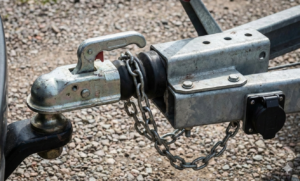
The Main Components of a Camper Trailer Tow Hitch System
When you look at a complete tow hitch setup, there are several key components working together. Each plays a specific role in keeping your trailer safely attached to your vehicle.
Coupling Heads
The coupling head is what actually connects to your vehicle’s towball. This is the business end of your trailer’s connection system. There are different types available, including standard couplings and off-road variants designed for rougher terrain.
You’ll find options like the AL-KO coupling heads, which are popular among Australian campers for their reliability. Some coupling heads come with anti-theft features built in, which is definitely worth considering if you’re leaving your trailer anywhere public.
Hitch Locks and Security
Speaking of security, hitch locks are essential for protecting your investment. These locks prevent unauthorised removal of your trailer when it’s unhitched. They’re particularly important if you store your camper at home or in storage facilities.
Different lock types offer varying levels of security, from basic pin locks to more sophisticated keyed systems.
Jockey Wheels and Brackets
Your jockey wheel might seem like a simple component, but it makes manoeuvring your trailer so much easier. This retractable wheel helps you move the trailer when it’s not attached to your vehicle and supports the front weight when unhitched.
Quality jockey wheel brackets are built to handle Australian conditions—think corrugated roads, beach sand, and everything in between. They need to be tough enough to support your trailer’s weight without bending or breaking.
Safety Chains and Emergency Components
Safety chains are your backup plan if something goes wrong with the primary coupling. They’re not just recommended—they’re legally required in Australia.
These chains need to be strong enough to hold your trailer if the coupling fails, but they also need proper attachment points. Chain links, shackles, and mounting brackets all need to be rated for your trailer’s weight.
Breakaway Systems
A breakaway system activates your trailer brakes if it becomes detached from your vehicle. This critical safety feature can prevent a runaway trailer from causing serious damage or injury.
The system typically includes a breakaway cable, battery, and switch mechanism that all need to be properly maintained and tested regularly.
Understanding Towball Ratings and Compatibility
Not all towballs are created equal, mate. Your camper trailer tow hitch needs to match your vehicle’s towball in both size and weight rating.
Australian standards specify 50mm towballs for most applications, but the weight rating varies significantly. Check your trailer’s ATM (Aggregate Trailer Mass) and ensure your towball can handle it. Using an undersized or worn towball is asking for trouble.
Mounting Hardware and Brackets
The brackets and mounting hardware that secure your coupling components to the trailer chassis are just as important as the coupling itself. These need to be properly rated and securely fastened.
Chassis mounting brackets take enormous stress during towing, especially on corrugated roads or when braking. Regular inspections for cracks, wear, or loose bolts should be part of your pre-trip checks.
Maintenance Tips for Longevity
Looking after your camper trailer coupling isn’t complicated, but it does require regular attention. Keep the coupling head clean and properly greased. Check for wear indicators and replace components before they fail.
Inspect safety chains for rust or damage, and make sure all locking mechanisms operate smoothly. A bit of preventative maintenance goes a long way toward avoiding breakdowns in remote locations.
When to Replace Components
Knowing when to replace parts is crucial. Coupling heads have wear indicators built in—when the metal wears to these marks, it’s time for a replacement. Don’t push your luck beyond the manufacturer’s recommendations.
Cracked welds, bent brackets, or stretched safety chains all need immediate attention. If you’re unsure about a component’s condition, have it checked by a professional. It’s cheaper than dealing with a detached trailer.
Choosing Quality Parts for Australian Conditions
Australia’s diverse terrain and climate demand quality components. From the humidity of coastal areas to the dust and heat of the outback, your coupling parts need to handle it all.
Invest in corrosion-resistant materials, especially if you frequent beach campsites. Stainless steel and hot-dipped galvanised components might cost more upfront, but they’ll outlast cheaper alternatives.
Final Thoughts
Understanding your trailer coupling system isn’t rocket science, but it does require a bit of knowledge and regular attention. Whether you’re heading to the local caravan park or planning an epic lap around Australia, knowing these components inside and out gives you confidence on the road.
Take the time to familiarise yourself with each part, maintain them properly, and replace them when needed. Your camper trailer coupling is the foundation of safe towing—treat it with the respect it deserves, and it’ll serve you well for years of adventure.